Xbox Game Pass Exodus: Five Key Titles Depart in May 2026, Signifying Evolving Strategy
Microsoft has announced that five games, including the acclaimed 'Planet of Lana,' will be leaving Xbox Game Pass in early May 2026. This regular rotation of titles is a core component of the subscription service's model, balancing fresh content with the removal of older offerings. The departures prompt subscribers to prioritize their playtimes and highlight the dynamic nature of digital game libraries.
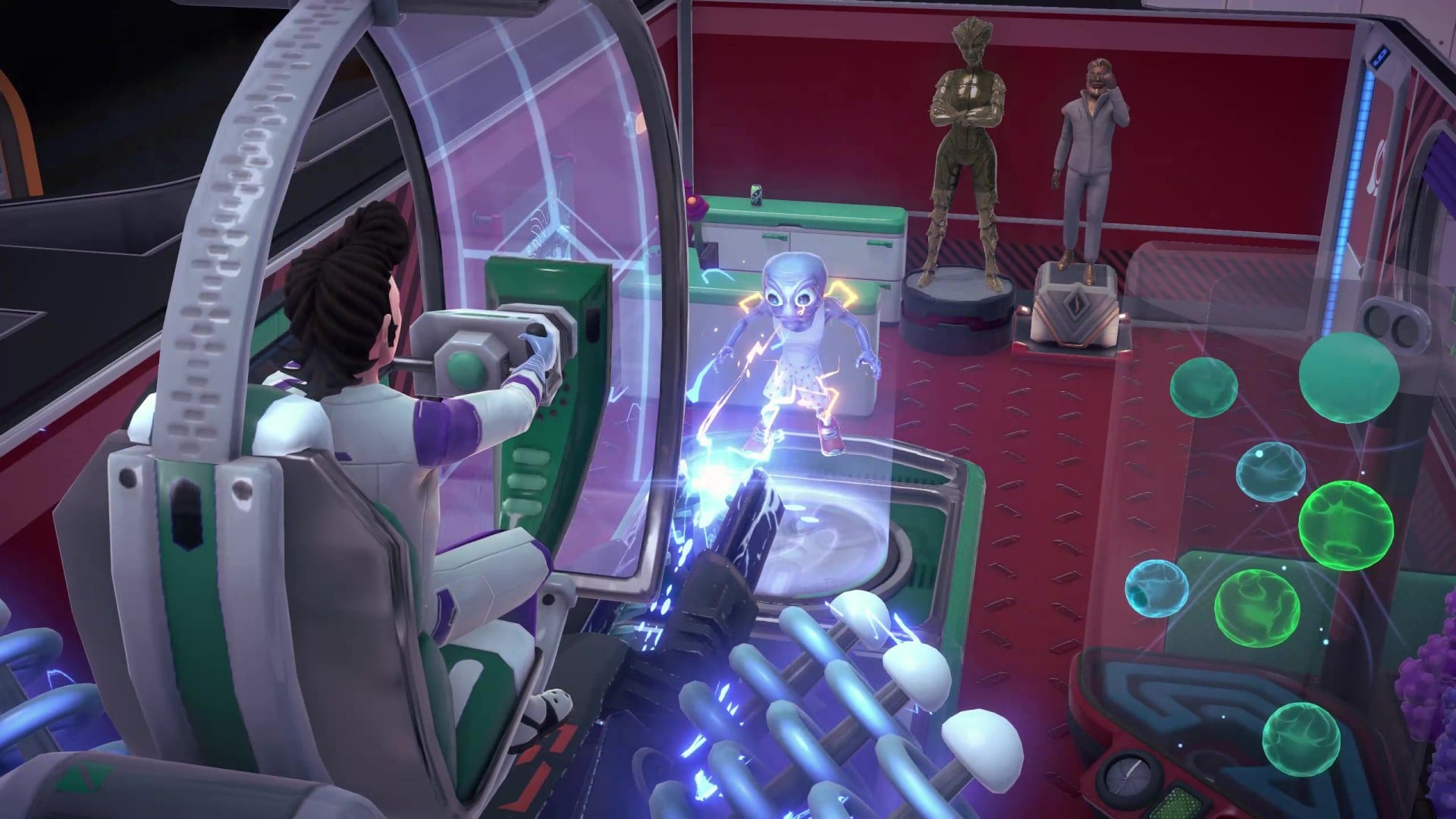
The digital landscape of gaming subscriptions is in constant flux, a dynamic reality underscored by Microsoft's recent announcement regarding Xbox Game Pass. In early May 2026, five titles are set to depart from the service's extensive library, a move that, while routine, always captures the attention of its vast subscriber base. Among these impending departures, Planet of Lana stands out, a critically acclaimed title that has garnered significant praise since its release. This regular rotation is not merely an administrative detail; it's a fundamental aspect of the Game Pass ecosystem, influencing player behavior, developer strategies, and the very perception of digital ownership in the modern era.
The Inevitable Cycle: Understanding Game Pass Departures
Xbox Game Pass, often lauded as the 'Netflix of gaming,' operates on a model of curated, rotating content. Unlike traditional game purchases, where a title is owned indefinitely, Game Pass offers access to a library for a monthly fee. This access is inherently temporary for many third-party titles. Microsoft licenses games for a set period, and once that agreement expires, the games are typically removed unless a new deal is struck. This system allows Microsoft to constantly refresh its offerings, bringing in new, high-profile games while making space for them by cycling out others. For subscribers, it means a continuous stream of new experiences but also the occasional bittersweet farewell to beloved titles.
Historically, Microsoft has been transparent about these departures, usually announcing them a few weeks in advance. This gives players a window of opportunity to complete games they've started or to try titles they've been meaning to play before they become unavailable without a direct purchase. The 'leaving soon' tag on the Xbox mobile app and console interface serves as a crucial heads-up, a digital hourglass counting down the remaining access. This transparency, while appreciated, doesn't diminish the feeling of urgency or, for some, the disappointment when a favorite game exits the service.
Planet of Lana: A Notable Farewell
Among the five games slated for removal, Planet of Lana is arguably the most significant. This cinematic puzzle-platformer, known for its stunning hand-drawn art style, emotional narrative, and unique companion mechanics, resonated deeply with critics and players alike. Its inclusion on Game Pass shortly after its launch was a major draw, showcasing Microsoft's commitment to bringing diverse and high-quality indie experiences to its subscribers. Its departure highlights a common trend: even highly-regarded, relatively recent titles are subject to the licensing cycle. For those who haven't yet experienced its charm, the next few weeks represent the last chance to do so without buying the game outright. Its removal underscores the value proposition of Game Pass – access to a wide variety of games, including acclaimed new releases, for a limited time.
Other titles departing alongside Planet of Lana, though not specified in the initial snippet, typically represent a mix of genres and origins, from older AAA games to other indie gems. Each departure contributes to the evolving landscape of the Game Pass catalog, reflecting shifts in licensing agreements, player engagement data, and Microsoft's broader strategic goals for the service.
Implications for Players and Developers
For players, the rotating library of Game Pass fosters a 'play it now or miss out' mentality. This can be a double-edged sword: it encourages exploration of new games but can also lead to a backlog of unfinished titles as players rush to complete games before they leave. It also means that for games they truly love and wish to revisit, a direct purchase might eventually be necessary, often at a discounted rate offered to Game Pass subscribers. This model subtly nudges players towards ownership for their most cherished experiences, creating a secondary revenue stream for Microsoft and publishers.
For developers, being featured on Game Pass offers significant exposure and a guaranteed upfront payment, which can be crucial for smaller studios. However, the eventual departure means that the steady stream of new players from the subscription service will cease, shifting focus back to direct sales. This requires developers and publishers to carefully consider the timing of their Game Pass inclusion and subsequent departure, often aligning it with sales events or new content releases to maximize post-Game Pass revenue. The data gathered from Game Pass engagement also provides invaluable insights into player preferences and game longevity, informing future development and marketing strategies.
The Future of Gaming Subscriptions: A Shifting Paradigm
The phenomenon of games leaving Game Pass is more than just a list of titles; it's a microcosm of the broader trends shaping the video game industry. Subscription services are increasingly becoming a dominant force, challenging traditional retail models. As these services mature, understanding their economic underpinnings – the licensing deals, the data analytics, the strategic curation – becomes paramount. The constant churn of content is a feature, not a bug, designed to maintain freshness and perceived value, encouraging both new subscriptions and continued engagement.
Looking ahead to 2026, the Game Pass model is likely to continue evolving. We might see more flexible licensing agreements, tiered subscription options, or even hybrid models that blend temporary access with permanent ownership incentives. The departure of titles like Planet of Lana serves as a periodic reminder that in the world of digital subscriptions, access is king, but permanence often comes at a separate price. As the industry continues its march towards a streaming and subscription-first future, players will need to adapt their habits, embracing the transient nature of digital libraries while carefully choosing which experiences they wish to truly 'own' for the long haul.
Stay Informed
Get the world's most important stories delivered to your inbox.
No spam, unsubscribe anytime.
Comments
No comments yet. Be the first to share your thoughts!