AI's Billion-Dollar Paradox: Why Tech Giants Are Spending Big While Laying Off Thousands
Despite unprecedented capital expenditure by tech giants into Artificial Intelligence, a stark paradox emerges: the cost of AI tools is now 'far beyond' human workers, leading to massive layoffs. This article explores the economic and ethical implications of this shift, questioning AI's immediate productivity gains and its impact on the future of work. We delve into the strategies of companies like Meta and Google, examining whether this investment surge is a necessary evolution or a costly gamble.
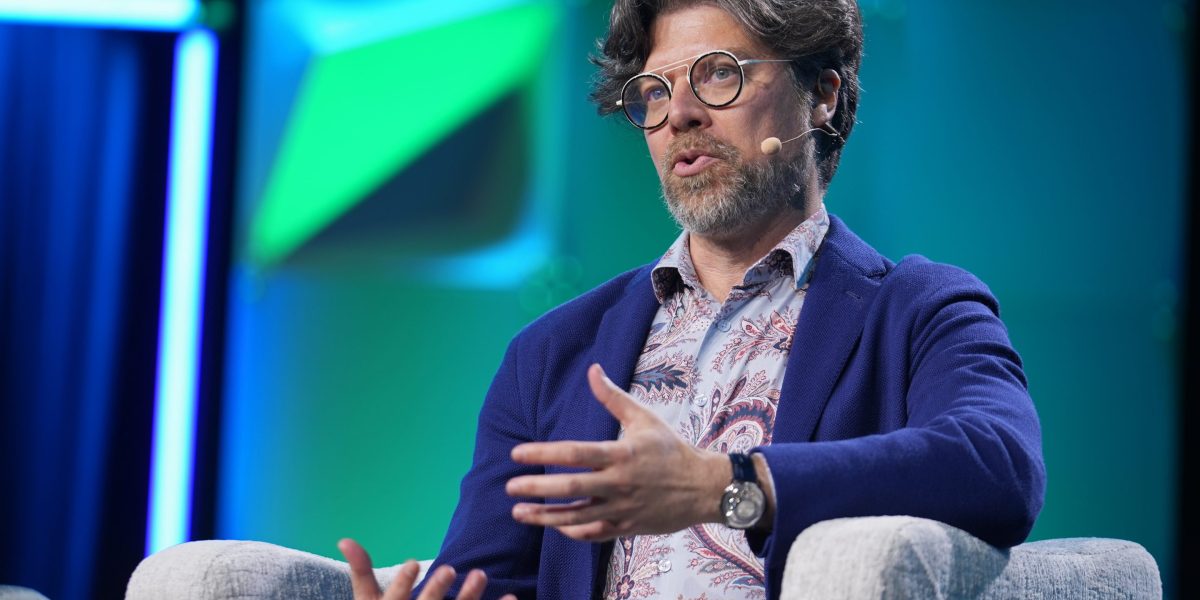
The technological landscape is undergoing a seismic shift, driven by an insatiable hunger for Artificial Intelligence. Tech behemoths are pouring unprecedented sums into AI infrastructure, with a staggering $740 billion in capital expenditure announced for this year alone. Yet, amidst this frenetic investment, a chilling paradox is unfolding: companies are simultaneously shedding thousands of human jobs, citing efficiency and cost-cutting. An Nvidia executive recently dropped a bombshell, stating that the cost of AI tools is now 'far beyond' the cost of human workers. This declaration forces a critical examination of AI's true economic impact, its immediate productivity gains, and the profound implications for the global workforce.
Meta, a company at the forefront of this AI arms race, recently announced plans to lay off 10% of its workforce – approximately 8,000 employees – and scrap plans for 6,000 open positions. This move, framed as an effort to "run the company more efficiently" and "offset the cost of our long-term investments," starkly illustrates the tension between human capital and technological ambition. Is AI truly delivering on its promise of widespread increased productivity, or are we witnessing a costly, speculative gamble that prioritizes machines over people?
The Investment Deluge: A Closer Look at Tech's AI Bet
The figures are staggering. Beyond the $740 billion in capex, companies like Google are investing tens of billions in AI, with CEO Sundar Pichai emphasizing the 'foundational' nature of these investments. Microsoft has committed $10 billion to OpenAI, the creator of ChatGPT, while Amazon has pledged up to $4 billion in Anthropic, another leading AI startup. This capital injection isn't just about software; it's about building the physical infrastructure – data centers, advanced chips, and energy grids – necessary to power the next generation of AI. Nvidia, a key beneficiary of this boom, has seen its market capitalization soar, becoming the first chipmaker to hit the $1 trillion valuation mark. Their GPUs are the 'picks and shovels' of the AI gold rush, essential for training large language models and complex AI algorithms.
This investment spree is predicated on the belief that AI will revolutionize every industry, unlocking unprecedented levels of efficiency and innovation. Proponents argue that the initial costs, though high, will be dwarfed by long-term returns. However, the immediate economic benefits remain elusive for many. While AI can automate repetitive tasks and analyze vast datasets, its ability to translate into widespread, tangible productivity gains across entire organizations is still under scrutiny. The layoffs at Meta, Google, and other tech firms suggest that the path to AI-driven efficiency is paved with significant human cost.
Human Cost vs. Machine Efficiency: The Layoff Conundrum
The narrative from tech executives often frames layoffs as a necessary evil, a painful but essential step towards a more agile, AI-powered future. Meta's CEO Mark Zuckerberg explicitly linked the layoffs to the company's long-term investments, including AI and the metaverse. Similarly, Google's CEO Sundar Pichai noted that the company had been "hiring for a different economic reality," implying that AI could now handle tasks previously performed by humans. This trend isn't limited to the tech giants; smaller companies are also exploring AI solutions to reduce their workforce.
However, the ethical implications are profound. Is it justifiable to displace thousands of skilled workers in pursuit of a technological future whose economic benefits are not yet fully realized? Critics argue that this approach risks creating a two-tiered economy: a highly automated, capital-intensive sector employing a select few, and a larger segment of the population struggling with job displacement. The social safety nets in many countries are ill-equipped to handle such a rapid and widespread transformation of the labor market. The question isn't just about whether AI can replace human workers, but whether it should, and at what societal cost.
The Productivity Puzzle: Where Are the Returns?
Despite the massive investments, evidence of widespread increased productivity directly attributable to AI remains scarce. While specific applications of AI have shown impressive results – from drug discovery to personalized recommendations – the broader economic impact is still being measured. The "productivity paradox" of AI echoes the early days of computers, where significant IT investments didn't immediately translate into aggregate productivity growth. It took decades for businesses to reorganize and adapt to fully leverage computing power.
One reason for this lag could be the implementation gap. Integrating AI into existing workflows, retraining employees, and developing new business models takes time and effort. Moreover, many AI tools are still in their nascent stages, requiring significant human oversight and refinement. The "cost of AI tools" cited by the Nvidia executive isn't just the sticker price of hardware and software; it includes the immense energy consumption, the need for specialized talent, and the ongoing research and development required to keep pace with rapid advancements. This total cost can indeed outweigh the immediate savings from reducing human staff, especially if the AI isn't yet fully optimized for productivity.
Beyond the Hype: Long-Term Implications and the Future of Work
The current wave of AI investment and its accompanying layoffs represent a critical juncture. While the long-term potential of AI is undeniable, the immediate challenges are significant. For workers, it necessitates a focus on reskilling and upskilling in areas that complement AI, such as critical thinking, creativity, and complex problem-solving – skills that machines currently struggle to replicate. Governments and educational institutions will need to play a crucial role in facilitating this transition.
For businesses, the lesson is clear: AI adoption is not merely a technological upgrade but a fundamental strategic shift. It requires careful planning, ethical considerations, and a realistic assessment of both costs and benefits. The focus should be on how AI can augment human capabilities, not just replace them. The ultimate success of this AI revolution will depend not only on technological prowess but also on our ability to manage its societal impact responsibly. As the crypto category suggests, these technological shifts often come with speculative bubbles and periods of intense disruption before their true value is realized. The AI journey is likely to be no different, demanding patience, adaptability, and a human-centric approach to innovation.
In conclusion, the paradox of tech giants spending billions on AI while laying off thousands of workers highlights a complex and evolving landscape. While the promise of AI is immense, its path to widespread productivity and economic benefit is proving to be more intricate and costly than initially anticipated. The coming years will reveal whether these colossal investments truly usher in a new era of prosperity or exacerbate existing inequalities, demanding a delicate balance between technological progress and human welfare.
Stay Informed
Get the world's most important stories delivered to your inbox.
No spam, unsubscribe anytime.
Comments
No comments yet. Be the first to share your thoughts!