Apple's 2027 iPhone: A Glimpse into the Future with Quad-Curved Displays and Beyond
As Apple approaches the 20th anniversary of the iPhone in 2027, anticipation is building for a device that could redefine smartphone design. Leaks suggest this milestone iPhone might feature a revolutionary quad-curved display, offering an immersive, bezel-less experience. Beyond aesthetics, advancements like a polarizer-free panel could enhance display quality and device thinness. This article explores the potential innovations and their impact on Apple's legacy and the broader tech industry.
In the annals of technological innovation, few devices have left as indelible a mark as the iPhone. Introduced by Steve Jobs in January 2007, it didn't just launch a product; it ignited a revolution, fundamentally reshaping how humanity interacts with information, communication, and entertainment. As Apple hurtles towards 2027, marking two decades since the original iPhone first graced store shelves, the tech world is abuzz with speculation about what the company has in store for this monumental anniversary. Fresh leaks and industry whispers suggest that the 2027 iPhone could be more than just an incremental upgrade; it might be a radical reimagining, headlined by a groundbreaking quad-curved display and a host of other pioneering advancements designed to push the boundaries of smartphone design and user experience.
The Dawn of the Quad-Curved Display: A Design Revolution
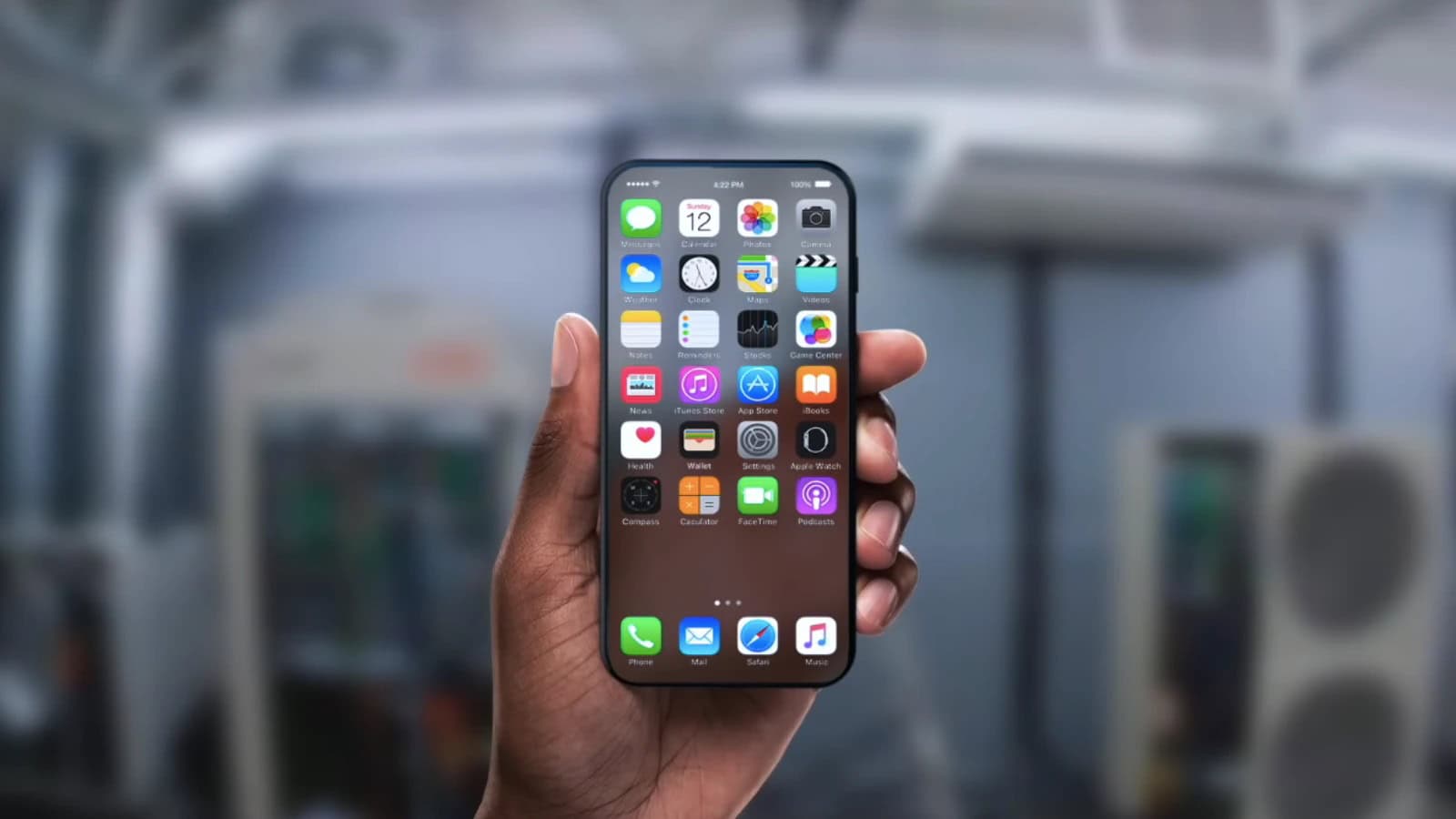
The most captivating rumor surrounding the 2027 iPhone centers on its potential adoption of a quad-curved display. This isn't merely about aesthetic flair; it represents a significant engineering feat. Unlike current curved displays that typically bend only on the left and right edges, a quad-curved screen would flow seamlessly over all four sides – top, bottom, left, and right. This design promises an unparalleled level of immersion, effectively eliminating bezels and creating a truly 'all-screen' device where content appears to float freely. Imagine holding a device where the display melts into the frame, offering an expansive visual canvas with no discernible borders. This would not only enhance media consumption but also provide a more intuitive and fluid interaction experience, potentially paving the way for new gesture controls and interface paradigms.
Historically, Apple has been deliberate in its adoption of new display technologies. While competitors have experimented with various curved screen designs, Apple has largely stuck to flatter panels, prioritizing durability and consistency. However, the move to a quad-curved design for such a significant anniversary model signals a strategic shift, indicating that the technology has matured to meet Apple's stringent quality standards. This innovation could set a new benchmark for premium smartphone design, forcing rivals to accelerate their own research and development into similar advanced display forms.
Beyond Curves: The Polarizer-Free Panel and Enhanced Visuals
Beyond the dramatic curvature, another significant rumored advancement is the potential for a polarizer-free display panel. Traditional OLED displays use a polarizer layer to reduce glare and improve visibility, especially in bright conditions. However, this layer also adds to the panel's thickness and can slightly dim the overall brightness. Removing the polarizer, as suggested by the leaks, would allow Apple to achieve a significantly slimmer display panel, contributing to an overall thinner and lighter device. This is a crucial step in Apple's continuous pursuit of minimalist design and enhanced portability.
Furthermore, a polarizer-free design could lead to several other benefits: * Increased Brightness: Without the light-absorbing polarizer, the display could achieve higher peak brightness levels, making content more vibrant and improving outdoor readability. * Improved Power Efficiency: Less light loss means the display can achieve the same brightness with less power, potentially extending battery life. * Enhanced Color Accuracy: The absence of the polarizer could lead to a more direct light path from the OLED pixels, resulting in even more accurate and vivid color reproduction.
Achieving a polarizer-free display without compromising on glare reduction or durability would require sophisticated technological breakthroughs, likely involving advanced material science and innovative pixel structures. This move underscores Apple's commitment to not just aesthetic refinement but also fundamental improvements in display technology, directly impacting the user's visual experience.
The iPhone's Enduring Legacy and Future Trajectory
The iPhone's journey from a revolutionary concept in 2007 to a global phenomenon has been marked by continuous innovation. Each major redesign and technological leap has either set trends or solidified standards across the industry. From the introduction of the App Store to Face ID, from Retina displays to the powerful A-series chips, Apple has consistently pushed the envelope. The 20th-anniversary iPhone, with its rumored quad-curved, polarizer-free display, appears poised to continue this tradition of groundbreaking advancements.
This milestone device is not just about celebrating the past; it's about charting the course for the next two decades of smartphone evolution. The integration of such advanced display technologies could have far-reaching implications, influencing everything from industrial design to software development. Developers might leverage the expanded, seamless display area for new types of applications and user interfaces, blurring the lines between physical and digital experiences even further. The pursuit of a truly bezel-less, immersive screen aligns with broader industry trends towards augmented reality (AR) and mixed reality (MR) experiences, where the physical device itself becomes less of a barrier and more of a window into digital worlds.
The Competitive Landscape and Apple's Strategic Play
In an increasingly competitive smartphone market, differentiation is key. While many manufacturers offer excellent devices, Apple's ability to integrate hardware and software seamlessly, coupled with its strong brand loyalty, gives it a unique advantage. The introduction of a quad-curved display and other cutting-edge features would serve as a powerful statement, reinforcing Apple's position as a leader in innovation rather than a follower.
This strategic move could also be seen in the context of Apple's broader ecosystem. A more immersive iPhone experience could further enhance engagement with services like Apple Arcade, Apple TV+, and other content offerings. Moreover, the technological advancements in display and industrial design could trickle down to other Apple products, such as the iPad or even future augmented reality devices, creating a cohesive and futuristic product family.
Conclusion: A Vision for the Next Generation of iPhone
The whispers surrounding the 2027 iPhone paint a picture of a device that is both a homage to its storied past and a bold leap into the future. With a potential quad-curved display and a polarizer-free panel, Apple is not just refining its existing formula; it's aiming to redefine the very essence of what a smartphone can be. This anniversary model could mark a pivotal moment, ushering in an era of truly immersive, seamless, and visually stunning mobile experiences. As the countdown to 2027 begins, the anticipation for Apple's next big reveal will only intensify, promising a device that once again seeks to captivate the world and set the stage for the next chapter in smartphone innovation.
Stay Informed
Get the world's most important stories delivered to your inbox.
No spam, unsubscribe anytime.
Comments
No comments yet. Be the first to share your thoughts!