iPhone 18 Pro vs. Pro Max: Unpacking Apple's Next Flagship Innovations and Market Impact
Apple's anticipated iPhone 18 Pro and Pro Max models are poised to redefine premium smartphone expectations with rumored larger displays, advanced camera systems, and significant battery enhancements. This deep dive explores the potential innovations, market implications, and how these devices will likely differentiate themselves, primarily through size, features, and price. We analyze what these upgrades mean for consumers and Apple's competitive landscape in the high-end mobile sector.
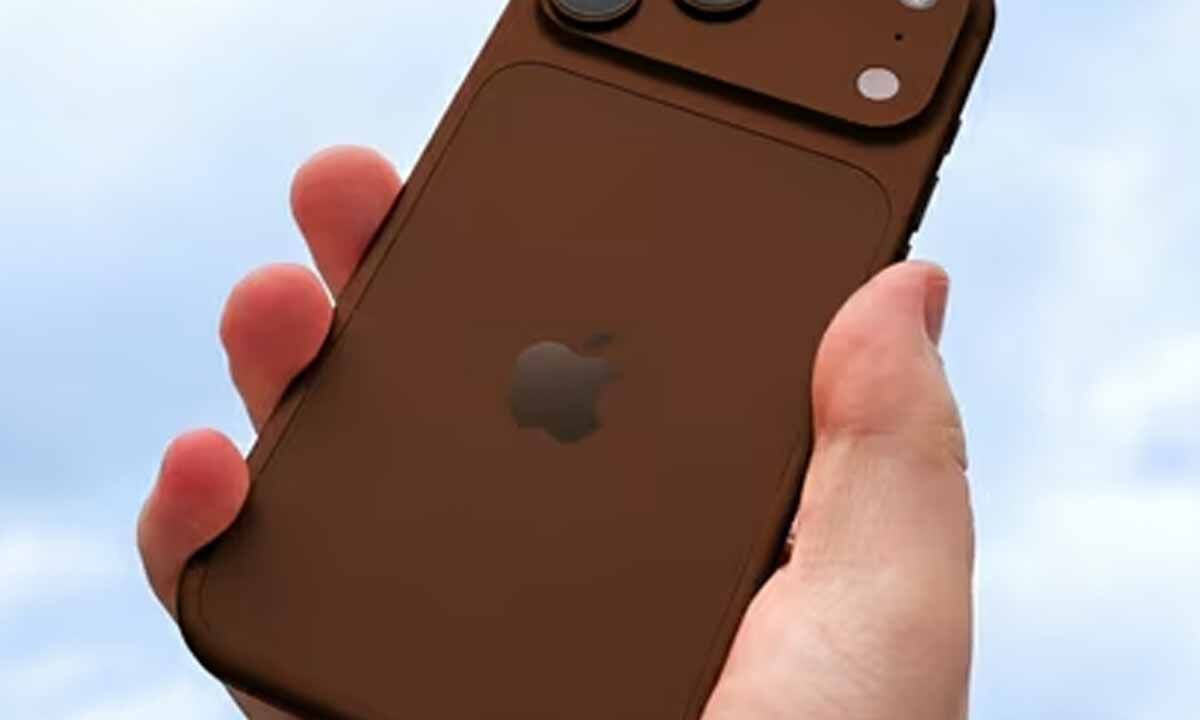
The annual unveiling of Apple's new iPhone lineup is more than just a product launch; it's a global technological event, a cultural touchstone, and a significant moment for the entire consumer electronics industry. As anticipation builds for the rumored iPhone 18 Pro and iPhone 18 Pro Max, the tech world is abuzz with speculation about what innovations these next-generation flagships will bring. While Apple maintains its characteristic silence, early leaks and expert analyses suggest a trajectory of refinement and powerful upgrades, particularly in areas critical to the modern user experience: display, photography, and battery life. This year, the perennial question of 'Pro versus Pro Max' takes center stage, as consumers weigh the allure of cutting-edge technology against practical considerations of size, portability, and, inevitably, price.
The Evolution of Apple's Flagship Strategy
Apple's 'Pro' and 'Pro Max' distinction, first introduced with the iPhone 11 series, has evolved from a simple size difference to a more nuanced stratification of features and capabilities. Initially, the larger 'Max' variant primarily offered a bigger screen and commensurately longer battery life. Over the years, however, Apple has occasionally reserved certain premium features – such as specific camera advancements or display technologies – exclusively for the Pro Max, subtly nudging power users towards its larger, more expensive offering. This strategy allows Apple to cater to different segments of its premium market, offering a slightly more compact, yet still incredibly powerful, option alongside the no-compromise, maximalist experience of the Pro Max.
Historically, Apple has been a master of incremental innovation, often perfecting existing technologies rather than rushing to adopt every new trend. This measured approach has built a reputation for reliability and seamless user experience. The iPhone 18 Pro series is expected to continue this trend, focusing on substantial improvements to core functionalities rather than radical redesigns. The market has matured, and consumers are now looking for meaningful enhancements that justify the premium price tag, especially in an era of extended smartphone lifecycles. Data from Counterpoint Research consistently shows that the premium smartphone segment remains robust, driven by brand loyalty and the perceived value of high-end features, a segment where Apple consistently dominates.
Display Dominance: Bigger Screens, Brighter Futures
One of the most persistent rumors surrounding the iPhone 18 Pro and Pro Max revolves around their displays. Speculation suggests a slight increase in screen size for both models, potentially pushing the Pro model closer to the 6.3-inch mark and the Pro Max beyond 6.9 inches. While seemingly minor, even a fractional increase can significantly enhance the immersive experience for media consumption, gaming, and productivity. This move aligns with broader industry trends where larger displays are increasingly preferred, reflecting changing user habits that lean heavily towards mobile content consumption.
Beyond mere size, expect advancements in display technology itself. ProMotion technology, offering adaptive refresh rates up to 120Hz, is already standard on current Pro models, but the 18 Pro series might see further refinements in power efficiency and peak brightness. Enhanced ProMotion could lead to even smoother scrolling and more responsive gaming, while increased brightness would improve outdoor visibility and HDR content playback. Furthermore, the integration of LTPO (Low-Temperature Polycrystalline Oxide) backplane technology could become even more sophisticated, allowing for more dynamic and granular control over refresh rates, thereby optimizing battery life without sacrificing visual fluidity. The display remains the primary interface, and Apple's continuous investment here underscores its importance to the overall user experience.
Photographic Prowess: The Lens of Innovation
Apple's iPhones have long been benchmarks in mobile photography, and the 18 Pro series is anticipated to push these boundaries further. Leaks point to significant upgrades across the camera array, potentially including larger sensors for improved low-light performance, more advanced optical image stabilization, and potentially new computational photography algorithms. The main wide-angle lens is often the focus of the most substantial improvements, as it's the most frequently used. A larger sensor would capture more light and detail, leading to richer textures and less noise, especially in challenging lighting conditions.
Differences between the Pro and Pro Max models might manifest in the telephoto lens. While both are expected to feature impressive optical zoom capabilities, the Pro Max could potentially receive an exclusive periscope lens technology, offering significantly greater optical zoom range – perhaps 5x or even 6x – compared to the standard Pro model. This would mirror strategies seen in competitor flagships and provide a compelling reason for photography enthusiasts to opt for the larger device. Furthermore, improvements to Cinematic Mode and ProRes video recording are almost a certainty, catering to the growing demographic of content creators who rely on their iPhones for professional-grade video production. The integration of advanced AI and machine learning will undoubtedly play a larger role in image processing, enhancing everything from dynamic range to portrait mode effects.
Powering Through the Day: Battery and Performance Enhancements
Battery life has consistently been a top priority for smartphone users, and Apple is expected to deliver substantial improvements with the iPhone 18 Pro and Pro Max. While the Pro Max traditionally boasts superior endurance due to its larger physical battery capacity, both models are likely to benefit from more efficient A-series chips and optimized software. The next-generation A-series chip, likely to be fabricated on an even more advanced process node (e.g., 3nm or even 2nm), will offer significant gains in both raw processing power and power efficiency. This means faster app launches, smoother multitasking, and more capable AI processing, all while consuming less energy.
Beyond the chip, internal design optimizations and potentially higher-density battery technology could contribute to overall longevity. For the Pro Max, the combination of a larger physical battery and a highly efficient chip could push battery life into truly exceptional territory, potentially offering multi-day usage for moderate users. Fast charging capabilities are also expected to see enhancements, reducing downtime and making it more convenient to top up the device quickly. These battery and performance upgrades are not just about raw numbers; they translate directly into a more reliable and enjoyable user experience, reducing battery anxiety and allowing users to fully leverage the device's advanced features throughout their day.
The Price of Innovation and Market Implications
With each generation, the price of Apple's flagship iPhones tends to creep upwards, reflecting the increasing cost of advanced components, R&D, and manufacturing. The iPhone 18 Pro and Pro Max are unlikely to buck this trend. The Pro Max, with its potentially exclusive camera features and larger display, will undoubtedly command a higher premium, solidifying its position as Apple's most expensive and feature-rich smartphone. This pricing strategy, while potentially alienating some budget-conscious consumers, reinforces Apple's brand as a purveyor of premium, aspirational technology.
The competitive landscape remains fierce. While Apple dominates the ultra-premium segment, Android manufacturers are constantly innovating, particularly in areas like foldable phones and ultra-fast charging. However, Apple's ecosystem, brand loyalty, and consistent performance continue to give it a significant edge. The iPhone 18 Pro series will be crucial in maintaining this leadership, demonstrating that Apple can continue to deliver compelling innovation that justifies its premium pricing. For consumers, the choice between the Pro and Pro Max will come down to a balance of desired features, screen size preference, and budget. The Pro will offer an exceptional experience in a slightly more manageable form factor, while the Pro Max will be the ultimate expression of Apple's mobile technology, designed for those who demand the absolute best in every aspect.
In conclusion, the iPhone 18 Pro and Pro Max are shaping up to be more than just iterative updates. They represent Apple's continued commitment to refining the smartphone experience, pushing the boundaries of mobile photography, display technology, and performance. As the official launch approaches, the tech world eagerly awaits to see how these rumored advancements will translate into real-world benefits, further solidifying Apple's position at the pinnacle of the smartphone market and influencing the trajectory of mobile technology for years to come.
Stay Informed
Get the world's most important stories delivered to your inbox.
No spam, unsubscribe anytime.
Comments
No comments yet. Be the first to share your thoughts!