Apple's Vision Pro: The Strategic Gambit to Redefine Reality and Challenge Meta's Metaverse Dominance
Apple is poised to launch its highly anticipated Vision Pro headset, a move widely seen as a strategic play to disrupt the nascent AR/VR market and counter Meta's metaverse ambitions. Industry insiders, including Mark Gurman, suggest Apple's approach focuses on high-fidelity spatial computing rather than a pure metaverse, aiming for a broader consumer appeal. This article delves into the potential features, market implications, and Apple's long-term vision for this groundbreaking technology, including future iterations like lighter smart glasses and AI-powered wearables.
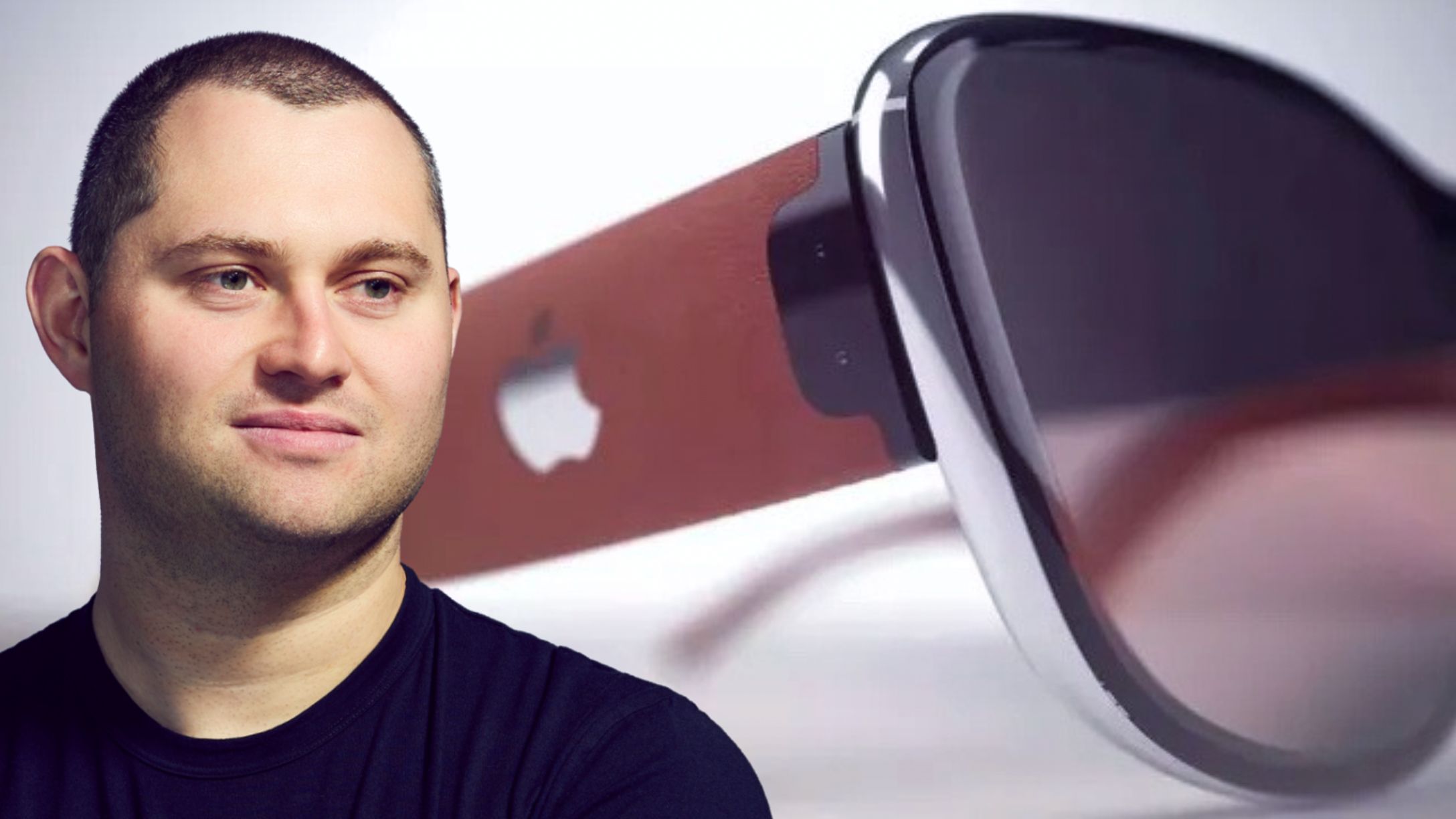
The technological landscape is on the cusp of another seismic shift, and at its epicenter stands Apple, ready to unveil a device that could redefine our interaction with the digital world. For years, whispers and rumors have swirled around Apple Glasses, a fabled entry into augmented and virtual reality that promised to be more than just another gadget. Now, with the imminent launch of the Apple Vision Pro, those whispers are coalescing into a clear vision of Apple's strategic gambit: to "pull the rug out" from under competitors, particularly Meta, and establish a new paradigm for spatial computing.
This isn't merely about releasing a new product; it's about a meticulously planned, multi-phase assault on the future of personal technology. As Bloomberg's Mark Gurman highlighted in an interview, Apple's strategy extends beyond a single device, encompassing a long-term roadmap that includes lighter, more accessible smart glasses, and even revolutionary AI-powered wearables like pendants with cameras. The Cupertino giant isn't just entering a market; it's aiming to dictate its terms, much as it did with the iPhone and the personal computer before it. The stakes are immense, and the implications for consumers, developers, and rival tech behemoths are profound.
The Vision Pro: A Premium Entry into Spatial Computing
The Apple Vision Pro is not an incremental upgrade; it's a foundational product designed to establish Apple's dominance in the spatial computing arena. Unlike Meta's more metaverse-centric approach with its Quest headsets, Apple is positioning the Vision Pro as a high-fidelity, high-performance device for productivity, entertainment, and communication. Powered by custom Apple silicon, likely a variant of their M-series chips, the Vision Pro promises unparalleled graphical prowess and processing power, crucial for delivering a seamless and immersive experience without the motion sickness often associated with lower-fidelity VR.
Key features expected include ultra-high-resolution displays, advanced eye-tracking technology, and sophisticated hand gesture recognition, allowing users to interact with digital content in a natural and intuitive way. The integration with Apple's existing ecosystem—iPhones, iPads, Macs, and Apple Watch—is expected to be seamless, leveraging the familiarity and trust users already have in the brand. This ecosystem play is a critical differentiator, offering a cohesive experience that competitors struggle to match. Developers, already deeply invested in Apple's platforms, will find a fertile ground for creating new applications and experiences tailored for spatial computing.
The initial price point for the Vision Pro is anticipated to be premium, reflecting its advanced technology and Apple's brand positioning. This strategy is typical for Apple, which often enters new markets with a high-end product, establishing a benchmark for quality and performance, before iterating with more consumer-friendly versions. This approach allows them to capture early adopters and developers, building a robust content library and user base before broader market penetration.
Apple's Long-Game Strategy Against Meta
Mark Gurman's insights reveal a clear strategic intent: Apple aims to disrupt Meta's momentum in the AR/VR space. While Meta has invested billions in its metaverse vision, characterized by virtual worlds and social interactions, Apple's focus appears to be on augmented reality (AR), seamlessly blending digital information with the real world. This distinction is crucial. AR has a broader appeal and more immediate practical applications, from enhancing daily tasks to revolutionizing professional workflows, whereas the metaverse, in its current form, remains a more niche concept for many.
Apple's strategy involves a multi-stage rollout. The Vision Pro, while groundbreaking, is likely the first step. The true "Apple Glasses"—lighter, more fashionable, and perhaps less expensive AR glasses—are expected to follow, potentially years down the line. These future glasses are envisioned as a replacement for the iPhone, offering a persistent, context-aware digital layer over reality. This long-term vision positions Apple to dominate the next era of personal computing, moving beyond the smartphone into an era of ambient, pervasive technology.
Meta, despite its significant investments in Reality Labs, has faced challenges in achieving widespread adoption for its Quest headsets and the Horizon Worlds metaverse platform. Apple's entry, with its reputation for user experience and design, could significantly fragment the market and draw attention away from Meta's offerings. The battle for the future of spatial computing is not just about hardware; it's about ecosystems, developer support, and ultimately, user adoption. Apple's track record suggests it has a strong hand to play in all these areas.
The Evolution: From Vision Pro to Smart Glasses and AI Pendants
Apple's roadmap extends far beyond the initial Vision Pro. The device is a stepping stone, a powerful development kit in disguise, paving the way for future, more ubiquitous wearables. The ultimate goal, as many analysts suggest, is a pair of lightweight, everyday smart glasses that can seamlessly integrate into users' lives, replacing the need to constantly pull out a smartphone. Imagine receiving notifications, navigating, or even making calls through subtle visual overlays directly in your field of vision, all controlled by intuitive gestures or voice commands.
Furthermore, the concept of AirPods with cameras and wearable AI pendants hints at an even more ambitious future. AirPods, already a ubiquitous personal audio device, could evolve to incorporate visual capture capabilities, enabling hands-free recording or even advanced AR interactions. An AI pendant, worn around the neck, could act as a constant, context-aware digital assistant, providing proactive information, capturing moments, and interacting with the environment in ways currently only seen in science fiction. These devices would collect vast amounts of data about the user's environment and activities, feeding into Apple's powerful AI engines to deliver hyper-personalized experiences.
This holistic approach—combining a high-end spatial computer with future lightweight glasses and AI-powered accessories—demonstrates Apple's intent to create an interconnected ecosystem that anticipates user needs and seamlessly integrates technology into daily life. It's a vision of computing that is less about staring at screens and more about interacting with an enhanced reality.
Implications for Consumers and the Tech Industry
For consumers, Apple's entry into spatial computing promises a new era of digital interaction. The initial Vision Pro will likely appeal to tech enthusiasts, professionals, and developers, but its successors could become as commonplace as smartphones. The potential applications are vast: immersive entertainment, collaborative work environments, enhanced education, personalized health monitoring, and entirely new forms of social interaction. However, concerns around privacy, data security, and the potential for digital distraction will undoubtedly accompany this technological leap, requiring careful consideration from both Apple and regulators.
For the broader tech industry, Apple's move is a clear signal that spatial computing is the next frontier. Competitors, from Meta to Google and various startups, will be forced to accelerate their own development efforts and refine their strategies. The influx of Apple's resources, talent, and marketing prowess will legitimize the market, attracting more investment and innovation. This competition, while fierce, will ultimately benefit consumers by driving down prices and improving technology.
Developers will find a new canvas for creativity, with Apple providing robust tools and a potentially massive user base. The app economy, which flourished with the iPhone, is poised for a similar revolution in spatial computing. New categories of applications, from interactive storytelling to holographic design tools, are likely to emerge, fostering a vibrant ecosystem of innovation.
Conclusion: A New Horizon for Apple and Beyond
Apple's Vision Pro and its subsequent roadmap represent more than just product launches; they signify a profound shift in the company's strategic direction and a bold declaration of its intent to lead the next technological revolution. By focusing on high-fidelity spatial computing and a phased approach that culminates in lightweight smart glasses and AI-powered wearables, Apple is setting the stage for a future where technology is seamlessly integrated into the fabric of our lives. This isn't just about competing with Meta; it's about defining the future of human-computer interaction itself.
The journey will be long and complex, fraught with technical challenges, market skepticism, and ethical considerations. Yet, if Apple's history is any guide, its meticulous planning, design prowess, and ecosystem strength position it uniquely to succeed. The "rug pull" on Meta's metaverse ambitions might just be the opening act for Apple's grand vision of a spatially enhanced world, where the boundaries between the digital and physical continue to blur, ushering in an era of unprecedented possibilities and challenges.
Stay Informed
Get the world's most important stories delivered to your inbox.
No spam, unsubscribe anytime.
Comments
No comments yet. Be the first to share your thoughts!