Behind Closed Doors: US and Iran Resume Critical Talks in Islamabad Amidst Regional Tensions
High-stakes diplomatic talks between Iranian and American delegations are set to resume in Islamabad, signaling a renewed push for de-escalation in West Asia. This unexpected development follows intensive regional diplomacy involving Qatar, Turkey, and Pakistan, aiming to bridge deep-seated geopolitical divides. The discussions represent a fragile opportunity to address nuclear concerns, regional proxies, and economic sanctions, potentially reshaping the future of Middle Eastern stability.
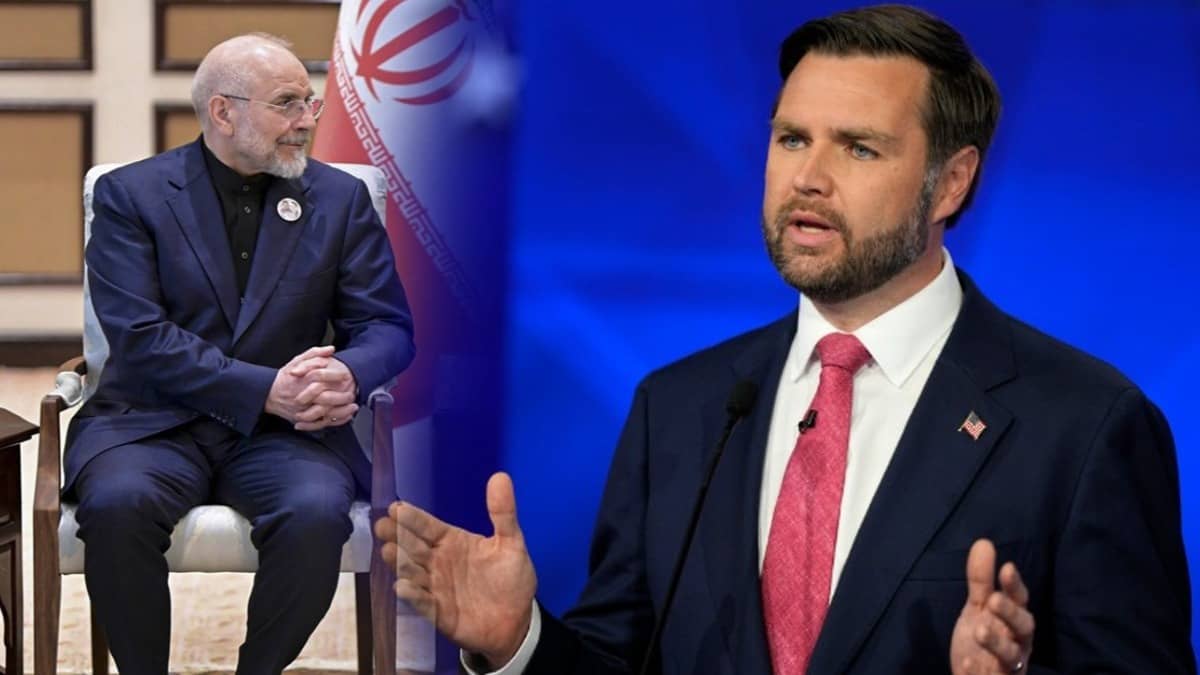
In a significant diplomatic development, delegations from Iran and the United States are converging in Islamabad for a fresh round of talks, commencing this Monday. The highly anticipated discussions, confirmed by Iranian officials and reported by CNN, underscore a persistent, if often clandestine, effort to navigate the tumultuous geopolitical landscape of West Asia. This latest engagement comes amidst a flurry of regional diplomatic activity, including recent high-level meetings between Qatar’s Emir, Turkey’s President, and Pakistan’s Prime Minister, all focused on fostering stability and de-escalation.
For decades, the relationship between Washington and Tehran has been characterized by profound mistrust, proxy conflicts, and a complex web of sanctions and nuclear proliferation concerns. These intermittent talks, often held in neutral territories and shrouded in secrecy, represent a critical, albeit often tenuous, channel for communication between two adversaries with deeply entrenched opposing interests. The very act of their meeting, regardless of immediate outcomes, sends a powerful signal about the enduring imperative of diplomacy in averting broader conflict.
The Geopolitical Chessboard: Why Islamabad Now?
The choice of Islamabad as the venue for these sensitive discussions is not coincidental. Pakistan, a strategically vital nation with historical ties to both the U.S. and Iran, has long sought to position itself as a mediator in regional and international disputes. Its geographical location, bordering Iran and in close proximity to Afghanistan, makes it a critical player in West Asian stability. Furthermore, Pakistan's strong relationships with Gulf states and its historical role in facilitating back-channel communications lend it credibility as a neutral host. The recent visits by Qatar’s Emir Sheikh Tamim bin Hamad Al Thani and Turkey’s President Recep Tayyip Erdoğan to Islamabad, where they reportedly discussed advancing diplomatic solutions for West Asia tensions with Pakistani Prime Minister Shehbaz Sharif, highlight a concerted regional push for de-escalation. These leaders, each with their own complex relationships with both Iran and the U.S., appear to be leveraging their diplomatic capital to create an environment conducive to dialogue.
This renewed diplomatic push can be seen as a direct response to the escalating tensions that have plagued the region. From the ongoing conflict in Yemen to the volatile situation in Iraq and Syria, and the perennial concerns surrounding Iran's nuclear program, the stakes are exceptionally high. The international community, weary of protracted conflicts and their destabilizing effects on global energy markets and security, is increasingly advocating for diplomatic resolutions.
Historical Context: A Legacy of Distrust and Dialogue
The history of U.S.-Iran relations is a tapestry woven with threads of revolution, hostage crises, nuclear ambitions, and proxy wars. Following the 1979 Iranian Revolution, diplomatic ties were severed, giving way to decades of animosity. However, even in the darkest periods, channels for communication have occasionally opened. The Iran-Contra affair in the 1980s, the Geneva talks leading to the Joint Comprehensive Plan of Action (JCPOA) in 2015, and the subsequent withdrawal by the U.S. in 2018 under the Trump administration, all underscore a pattern of cyclical engagement and disengagement. Each attempt at dialogue has been fraught with challenges, often collapsing under the weight of domestic political pressures in both countries and the deep ideological chasm separating them.
The current talks are particularly challenging given the backdrop of: * Persistent U.S. sanctions that continue to cripple the Iranian economy. * Iran's advancements in its nuclear program, which have raised alarm bells globally. * Regional proxy conflicts where U.S. and Iranian interests clash, notably in Iraq, Syria, and Yemen. * Domestic political landscapes in both countries, where hardliners often view any concession as a betrayal.
Despite these formidable obstacles, the very existence of these talks suggests a mutual, albeit reluctant, recognition that direct communication is indispensable for managing crises and preventing miscalculation. As one seasoned diplomat, speaking on background, noted, "When the rhetoric gets loudest, that's often when the quietest diplomacy is most essential. Neither side wants an uncontrolled escalation, and these talks are a safety valve, however fragile."
Key Agendas and Potential Outcomes
While the specific agenda for the Islamabad talks remains under wraps, it is highly probable that discussions will revolve around several critical issues:
* Nuclear Program: A central concern for the U.S. and its allies is Iran's nuclear enrichment activities, which have progressed significantly since the U.S. withdrawal from the JCPOA. Any path to de-escalation would likely involve discussions on verifiable limits to Iran's nuclear program in exchange for sanctions relief. * Regional Security: The role of Iran-backed militias and proxy groups in various regional conflicts will undoubtedly be a contentious point. The U.S. seeks to curb Iran's regional influence, while Iran views these groups as essential to its national security strategy. * Economic Sanctions: Iran will undoubtedly press for the lifting or easing of U.S. sanctions, which have severely impacted its economy and the livelihoods of its citizens. The U.S., however, is unlikely to offer significant concessions without tangible commitments from Tehran. * Prisoner Exchanges: Humanitarian issues, such as the release of detained citizens, have often been a precursor or a side-deal in broader diplomatic engagements, and could feature in these talks.
The immediate outcome of these talks is unlikely to be a grand breakthrough. Instead, success might be measured in smaller steps: establishing a clearer understanding of each side's red lines, identifying areas of potential de-escalation, or simply maintaining a channel for future communication. The presence of high-level officials, including a senior diplomat from Iran's foreign ministry and a U.S. delegation reportedly including a senior State Department official, underscores the seriousness of the endeavor.
The Road Ahead: Fragile Hopes and Enduring Challenges
The resumption of U.S.-Iran talks in Islamabad is a testament to the enduring power of diplomacy, even between the staunchest adversaries. It reflects a growing regional consensus that sustained dialogue, however difficult, is preferable to escalating conflict. The involvement of regional powers like Qatar, Turkey, and Pakistan highlights a collective desire to foster stability in a region perpetually on the brink. However, the path forward is fraught with challenges. Deep-seated mistrust, fundamental ideological differences, and the complexities of domestic politics in both Washington and Tehran mean that any progress will be incremental and hard-won.
For the global community, these talks offer a glimmer of hope that a more stable and predictable West Asia might yet emerge. The world will be watching Islamabad closely, understanding that while a single round of talks may not resolve decades of animosity, it can lay the groundwork for a future where diplomacy, rather than confrontation, dictates the region's destiny. The success of these negotiations could set a precedent for resolving other intractable conflicts, demonstrating that even the most formidable geopolitical stalemates can yield to persistent, patient engagement. The coming days will reveal whether this latest diplomatic gambit can truly turn the tide towards peace, or if it will merely be another fleeting moment in a long history of strained relations.
Stay Informed
Get the world's most important stories delivered to your inbox.
No spam, unsubscribe anytime.
Comments
No comments yet. Be the first to share your thoughts!