Beyond the Hype: Unpacking the Unsung Stories of 'Dispatch,' 'Hell is Us,' and 'Arc Raiders'
In the fast-paced world of video game journalism, many compelling titles risk being overlooked amidst a deluge of releases. This article delves into three such games—'Dispatch,' 'Hell is Us,' and 'Arc Raiders'—exploring their unique premises and the challenges they face in gaining widespread attention. We examine the evolving landscape of game reviews and the intricate balance between innovation and market visibility, offering a deeper look at titles that deserve more than just a fleeting glance.
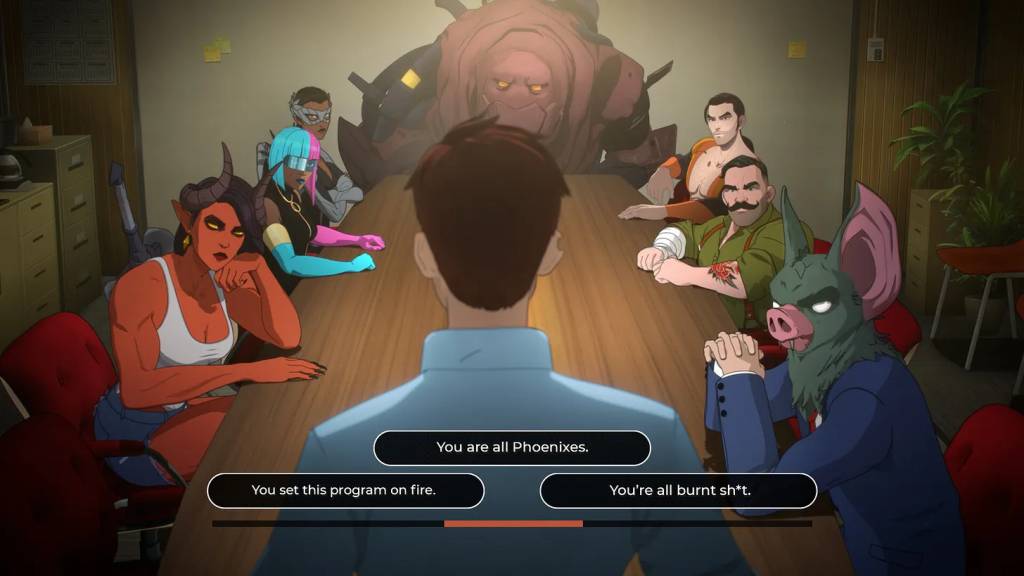
In the sprawling, ever-evolving universe of video games, a paradox often emerges: for every blockbuster title that dominates headlines and captures millions of players, countless other innovative and deeply engaging experiences quietly vie for attention. This phenomenon is particularly acute for game journalists, who, much like Harrison Polites, often find themselves with more games to play than time to review. It's a common lament, a silent struggle behind the glossy previews and critical analyses. This piece aims to pull back the curtain on three such titles—Dispatch, Hell is Us, and Arc Raiders—games that, despite their distinct visions and potential, might have slipped through the cracks of mainstream discourse, offering a glimpse into the rich tapestry of gaming beyond the usual suspects.
The Overlooked Gems: A Deep Dive into 'Dispatch'
Dispatch, a title that often evokes curiosity, positions itself within the burgeoning genre of indie horror or psychological thrillers. While specific details from the source are sparse, the very mention of it by a journalist like Polites suggests a game with a unique hook, something that piqued his professional interest. Often, games like Dispatch thrive on atmosphere, narrative depth, and innovative mechanics that eschew the high-octane action of AAA productions. These games frequently emerge from smaller studios, driven by passion and a desire to tell unconventional stories or explore niche themes. Their development cycles can be protracted, and their marketing budgets minuscule compared to industry giants. For Dispatch, its allure likely lies in its ability to create a memorable experience through tension, mystery, and perhaps a fresh take on player agency within a confined or unsettling environment. The challenge for such titles is not just to be good, but to be seen in an industry saturated with content. Without the marketing muscle, word-of-mouth, and dedicated critical attention become paramount for their survival and success.
'Hell is Us': A Philosophical Journey in a War-Torn World
Hell is Us presents a particularly intriguing case, hinting at a more profound, perhaps even philosophical, narrative embedded within a post-apocalyptic or war-torn setting. The very name suggests a game that grapples with complex themes of humanity, conflict, and perhaps the internal struggles that define our existence. Such titles often blend action with deep lore, moral choices, and a world-building that encourages exploration and introspection. Historically, games like Nier: Automata or Spec Ops: The Line have demonstrated the profound impact games can have when they dare to ask difficult questions and challenge player perceptions. Hell is Us, from what little is mentioned, appears to belong to this lineage, aiming to deliver not just entertainment but a thought-provoking experience. The creative risks involved in developing such a game are substantial. Balancing engaging gameplay with a heavy narrative can be a tightrope walk. Furthermore, the market for games that prioritize narrative depth over immediate gratification can be smaller, requiring a discerning audience and critics willing to delve beyond surface-level mechanics to appreciate its true value. For Polites to highlight it, suggests a game that left a lasting impression, perhaps due to its ambition or its unique approach to storytelling.
'Arc Raiders': A Glimpse into the Future of Co-op Action
Finally, Arc Raiders stands out as a title that appears to lean into the more action-oriented, perhaps even live-service, segment of the market. The name itself conjures images of futuristic combat, perhaps involving mechs or advanced weaponry, and the 'Raiders' aspect implies cooperative gameplay or large-scale encounters. This genre, while immensely popular, is also incredibly competitive. Games like Destiny 2, Warframe, and Helldivers 2 have set high bars for engagement, content updates, and community management. For a new entrant like Arc Raiders, the challenge is not just to be fun, but to offer a compelling reason for players to invest their time and attention over established giants. This often requires a unique gameplay loop, innovative mechanics, or a distinct artistic vision. The success of such games hinges on a strong launch, consistent post-launch support, and the ability to foster a dedicated community. Polites' brief mention suggests that Arc Raiders might possess some of these distinguishing qualities, enough to catch the eye of a seasoned reviewer even amidst a flood of similar titles. It represents the constant innovation within the cooperative shooter space, attempting to carve its own niche.
The Unseen Burden: Why Games Get Away
The journalist's lament – "I play more games than I probably should. And, like most of us, I don’t have enough time to review them all" – encapsulates a critical issue in modern media. The sheer volume of game releases has exploded over the past decade. According to SteamSpy data, thousands of games are released on Steam alone each year, a figure that doesn't even account for console exclusives, mobile games, or titles on other PC storefronts. This content glut creates an immense challenge for reviewers. They are tasked with sifting through a mountain of new releases, often with tight deadlines, to identify what's truly noteworthy. This often means that games from smaller studios, or those that don't fit neatly into established marketing narratives, are at a disadvantage. They lack the PR machines of larger publishers, relying instead on critical acclaim to gain traction. When a journalist, even a seasoned one, has to triage their review queue, these are often the titles that, through no fault of their own, "get away." This isn't a failure of the games themselves, but a systemic challenge within the industry's review ecosystem.
Implications for Players and the Future of Gaming Journalism
For players, this phenomenon means that many potentially excellent games remain undiscovered. The curated lists and top-tier reviews often reflect a fraction of the available experiences. This underscores the growing importance of diverse voices in gaming criticism, from independent content creators on platforms like YouTube and Twitch to specialized niche publications. These platforms can offer the space and flexibility to cover titles that mainstream outlets might miss. For gaming journalism, it necessitates a shift from simply reviewing every major release to a more curated approach, perhaps focusing on thematic deep dives, highlighting overlooked titles, or exploring the broader cultural impact of games. The role of the journalist evolves from mere reviewer to curator and cultural analyst, guiding readers through the vast digital landscape. The stories of Dispatch, Hell is Us, and Arc Raiders serve as poignant reminders that the most compelling narratives in gaming are not always the loudest, and that true discovery often lies beyond the well-trodden path.
In conclusion, the experiences of games like Dispatch, Hell is Us, and Arc Raiders, as highlighted by Harrison Polites, are emblematic of a larger trend in the gaming industry. They represent the vibrant, diverse, and often unheralded creativity that exists beyond the AAA spotlight. As both players and critics, our challenge is to cultivate an environment where these unique voices can be heard, ensuring that the next truly innovative or deeply moving game doesn't "get away" simply for lack of attention. The future of gaming lies not just in what gets played, but in what gets discovered and celebrated, fostering a richer, more inclusive digital ecosystem for all.
Stay Informed
Get the world's most important stories delivered to your inbox.
No spam, unsubscribe anytime.
Comments
No comments yet. Be the first to share your thoughts!