Caribbean's Unexpected 2026 Boom: Why Travelers Are Flocking Back to Paradise
Defying earlier predictions, the Caribbean tourism sector is experiencing an unprecedented surge in 2026, far surpassing the mixed results of 2025. A blend of strategic adaptations, sustained demand for experiential travel, and robust investment is driving this remarkable recovery. This article explores the factors behind the region's resurgence, from soaring hotel occupancy rates to innovative marketing, and analyzes its long-term implications for the global travel industry.
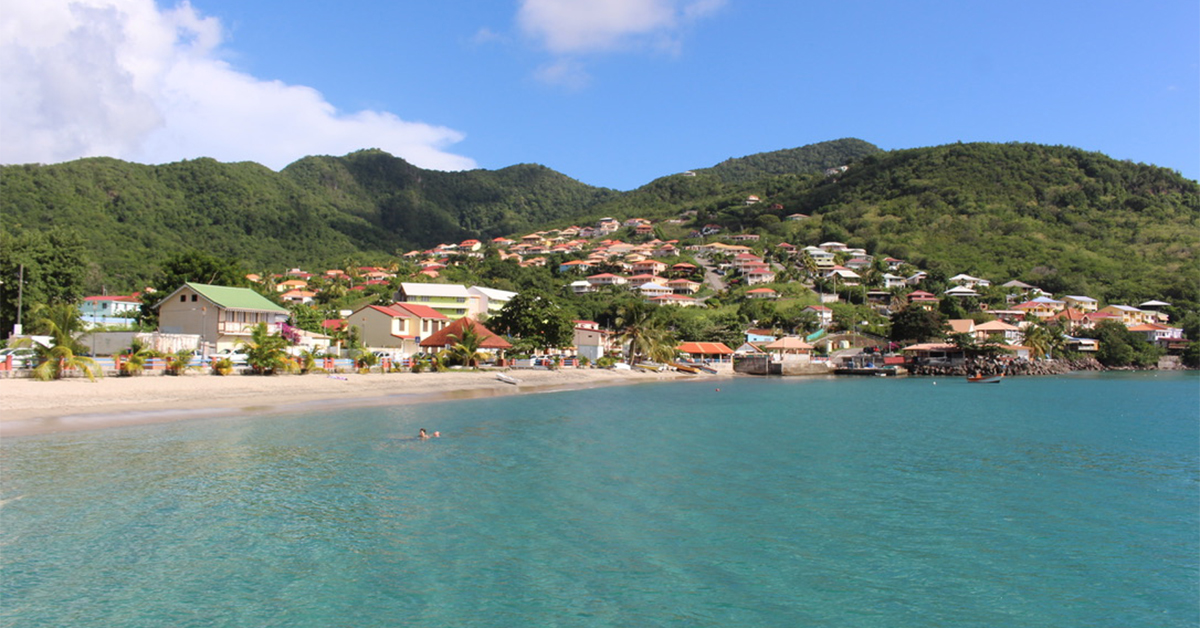
The turquoise waters and sun-drenched shores of the Caribbean have always beckoned, but in 2026, the region is experiencing an unexpected and remarkable boom, defying the more cautious forecasts that followed a somewhat mixed 2025. After the initial post-pandemic euphoria, the previous year saw tourist arrivals rise by a modest 2.5 percent, with hotel occupancy rates hovering around 68 percent. However, 2026 has emerged as a watershed year, with preliminary data indicating a significant uptick in both visitor numbers and revenue, painting a picture of a vibrant, resilient, and highly desirable destination. This resurgence isn't merely a rebound; it's a testament to strategic adaptations, sustained traveler demand, and a renewed focus on delivering unparalleled experiences.
The Resilient Comeback: Beyond Expectations
The narrative for the Caribbean in 2026 is one of unprecedented growth. While 2025 served as a period of recalibration, with the industry absorbing the initial post-COVID surge and then facing new economic headwinds, 2026 has seen a dramatic shift. Early reports from the Caribbean Tourism Organization (CTO) suggest tourist arrivals are projected to increase by a robust 8-10 percent, a stark contrast to the previous year's figures. More impressively, average hotel occupancy rates have soared, with many islands reporting figures well into the 80s and even 90s during peak seasons, pushing average daily rates (ADRs) to new highs. This isn't just about more people visiting; it's about visitors spending more, staying longer, and seeking out premium experiences.
Experts attribute this surge to several interconnected factors. Firstly, there's a pent-up demand for experiential travel that the Caribbean is uniquely positioned to fulfill. Travelers, having endured years of restrictions and uncertainty, are prioritizing authentic, immersive, and often luxurious getaways. Secondly, the region's proactive approach to health and safety protocols, initially implemented during the pandemic, has instilled confidence. While less stringent now, the underlying infrastructure and awareness remain, reassuring visitors. Thirdly, targeted marketing campaigns, often leveraging digital platforms and influencer partnerships, have effectively showcased the diversity of the Caribbean offering, moving beyond the traditional 'sun and sand' image to highlight eco-tourism, cultural immersion, and adventure travel.
Strategic Shifts and Investment in Infrastructure
The success of 2026 is not accidental; it’s the result of deliberate strategic shifts and significant investment across the region. Governments and private stakeholders have collaborated to enhance infrastructure, improve connectivity, and diversify tourism products. Airport expansions and upgrades have been crucial, allowing for increased flight capacity and facilitating smoother passenger flow. For instance, major projects in destinations like the Dominican Republic and Jamaica have significantly boosted their intake capabilities. Furthermore, digital transformation within the hospitality sector has streamlined bookings, personalized guest experiences, and improved operational efficiencies.
Investment in sustainable tourism initiatives has also paid dividends. Many islands are actively promoting eco-lodges, marine conservation efforts, and farm-to-table culinary experiences, appealing to a growing segment of environmentally conscious travelers. This commitment to sustainability not only protects the region's natural assets but also enhances its appeal as a responsible travel destination. The development of new luxury resorts and the renovation of existing properties, often incorporating local artistry and sustainable design, underscore a commitment to maintaining a high standard of service and accommodation.
The Power of Diverse Offerings and Niche Markets
One of the most compelling aspects of the Caribbean's 2026 success is its ability to cater to a diverse array of travelers. While traditional all-inclusive resorts remain popular, there's been a notable rise in demand for boutique hotels, private villa rentals, and adventure tourism. Destinations are no longer solely relying on mass tourism but are actively cultivating niche markets:
* Wellness Retreats: Islands like St. Lucia and Barbados are seeing a surge in demand for health and wellness-focused vacations. * Culinary Tourism: Puerto Rico and Trinidad & Tobago are positioning themselves as gastronomic hubs, attracting foodies. * Cultural Immersion: Cuba and Haiti, despite their unique challenges, continue to draw visitors interested in their rich history and vibrant arts scene. * Yachting and Marine Tourism: The British Virgin Islands and Grenada are experiencing a boom in luxury yacht charters and sailing adventures.
This diversification has created a more resilient industry, less susceptible to fluctuations in any single market segment. The ability to offer tailored experiences, from serene relaxation to adrenaline-pumping activities, ensures a broader appeal and encourages repeat visits.
Economic Ripple Effects and Future Outlook
The robust performance of the Caribbean tourism sector in 2026 has significant economic ripple effects throughout the region. Increased tourist arrivals translate directly into job creation, not just within hotels and resorts but also in ancillary services such as transportation, local crafts, agriculture, and entertainment. Local businesses, from street vendors to tour operators, are experiencing a welcome boost in revenue. Government coffers are also benefiting from increased taxes and levies, providing funds for public services and further infrastructure development.
Looking ahead, the challenge for the Caribbean will be to sustain this momentum. While the current boom is encouraging, the industry must remain agile and responsive to global trends. Continued investment in digital infrastructure, workforce training, and climate change resilience will be paramount. The threat of rising sea levels and extreme weather events necessitates ongoing adaptation and mitigation strategies. Furthermore, fostering strong regional partnerships and collaborative marketing efforts will ensure that the Caribbean continues to be perceived as a unified, diverse, and premier travel destination.
In conclusion, 2026 marks a pivotal year for Caribbean tourism. What began as cautious optimism has blossomed into a full-fledged revival, driven by strategic foresight, adaptive policies, and an unwavering commitment to the visitor experience. The region has not only recovered but has reinvented itself, setting a new benchmark for resilience and demonstrating that even in an unpredictable world, the allure of paradise, when nurtured wisely, can truly thrive.
Stay Informed
Get the world's most important stories delivered to your inbox.
No spam, unsubscribe anytime.
Comments
No comments yet. Be the first to share your thoughts!