Changi Airport Incident: SIA Flight Delay Reveals Critical Aviation Safety Protocols
A seemingly minor incident at Changi Airport, where a catering truck grazed a Singapore Airlines engine, led to significant flight delays and cancellations, highlighting the stringent safety measures in modern aviation. This event underscores the complex logistics and meticulous inspections required to ensure passenger safety, even for seemingly small damages. The ripple effect impacted hundreds of travelers and involved a multi-faceted response from the airline and airport authorities. It serves as a stark reminder of the zero-tolerance policy for mechanical integrity in air travel.
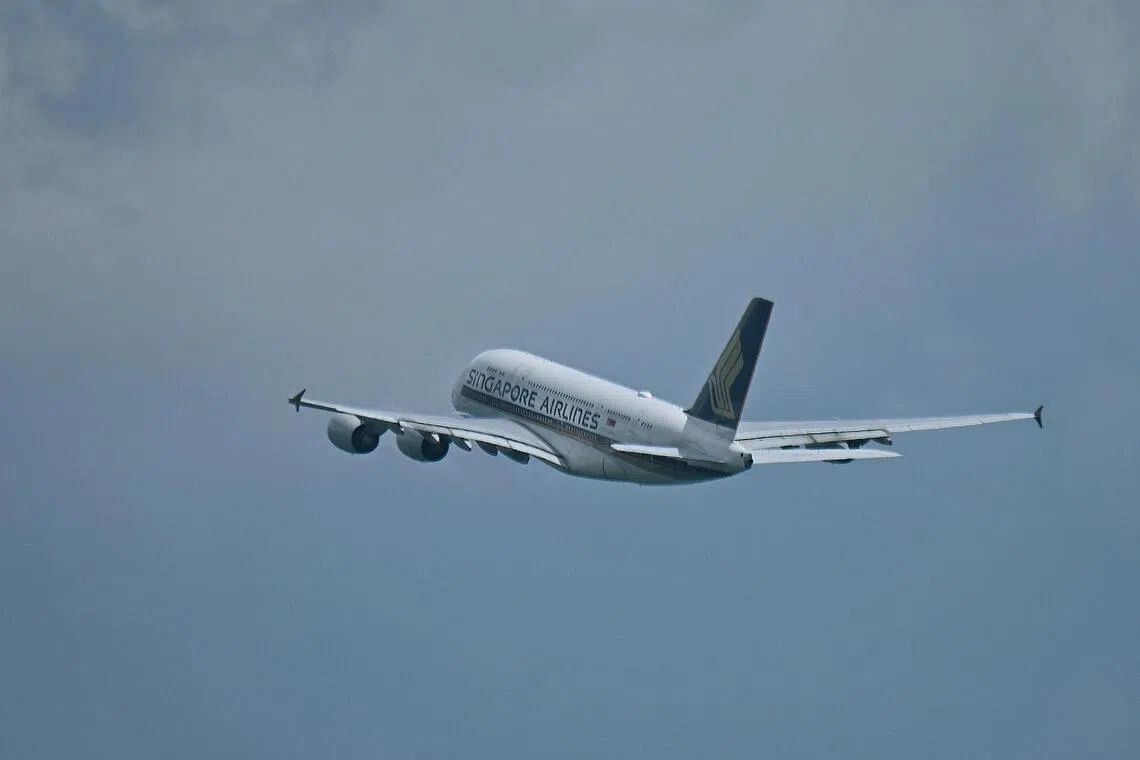
In the highly regulated world of air travel, even the most minor mishap can trigger a cascade of safety protocols, leading to significant disruptions. This reality was starkly illustrated on Wednesday, April 22, when a Singapore Airlines (SIA) flight, SQ26 bound for Frankfurt, experienced an unexpected delay at Changi Airport. The cause? A catering truck, during its routine operations, grazed the front of the plane's engine. What might appear as a superficial scrape to the untrained eye immediately activated a comprehensive safety review, grounding the aircraft and impacting hundreds of passengers. This incident, while thankfully not involving any injuries, offers a compelling glimpse into the rigorous safety culture that underpins modern aviation.
The Immediate Aftermath and Operational Impact
The initial impact was swift and decisive. The aircraft, a Boeing 777-300ER, was immediately deemed unfit for departure. Singapore Airlines, known for its impeccable safety record and operational efficiency, initiated its standard operating procedures. Passengers, already settled in for their long-haul journey, were disembarked. The delay for SQ26 extended beyond 1½ hours, a significant inconvenience for travelers with connecting flights or business appointments in Frankfurt. However, the ripple effect didn't stop there. The return flight, SQ25 from Frankfurt to Singapore, scheduled for later that day using the same aircraft, was subsequently cancelled. This single incident thus affected not one, but two intercontinental flights, disrupting the travel plans of potentially hundreds of individuals across two continents. The airline swiftly arranged alternative flights and accommodations for affected passengers, a testament to their crisis management protocols, but the logistical challenge remained substantial.
Aviation Safety: A Zero-Tolerance Approach
This incident vividly demonstrates the zero-tolerance policy applied to aircraft integrity. Unlike ground vehicles, where minor dents might be overlooked, any damage to an aircraft, particularly to critical components like engines, necessitates immediate and thorough inspection. Aircraft engines are marvels of engineering, designed to operate under extreme conditions with immense precision. Even a slight deformation or structural compromise from an external impact could have catastrophic consequences in flight. The fan blades at the front of a jet engine are particularly vulnerable; a graze could potentially alter their aerodynamic properties, create micro-fractures, or affect their balance, leading to vibrations or even engine failure at cruising altitude. This is why aviation authorities and airlines mandate exhaustive checks, often involving specialized engineers and sophisticated diagnostic tools, before an affected aircraft is cleared for flight. The delay, while frustrating, is a direct consequence of prioritizing passenger safety above all else.
Changi Airport's Role and Ground Operations Safety
Changi Airport, consistently ranked among the world's best, prides itself on its operational excellence and safety standards. However, even in such a meticulously managed environment, ground incidents can occur. Ground handling operations are a complex ballet of vehicles, personnel, and precise timing, all operating in close proximity to multi-million dollar aircraft. Catering trucks, baggage loaders, fuel tankers, and pushback tugs all have designated pathways and safety clearances. Incidents like the one involving the SIA flight highlight the critical importance of human vigilance, adherence to protocols, and ongoing training for ground staff. While the exact cause of the catering truck grazing the engine will likely be subject to an internal investigation, such occurrences often point to momentary lapses in concentration, misjudgment of distance, or equipment malfunction. Airports globally continuously review and update their ground safety procedures to minimize such risks, employing technologies like proximity sensors and advanced training simulations.
Economic and Reputational Implications
Beyond the immediate inconvenience to passengers, such incidents carry significant economic and reputational costs for airlines. The direct costs include expenses for alternative flights, accommodation, and meals for stranded passengers, as well as the cost of repairs and the loss of revenue from the grounded aircraft. For a major airline like Singapore Airlines, a Boeing 777-300ER represents a substantial asset, and its unscheduled downtime translates directly into lost operational capacity. Furthermore, while SIA's reputation for safety is robust, any incident, however minor, can briefly draw scrutiny. In an era of instant news and social media, transparency and swift communication are paramount to maintaining public trust. Airlines must not only ensure safety but also effectively communicate their commitment to it during such events.
Looking Ahead: Enhancing Ground Safety and Resilience
This incident serves as a valuable learning opportunity for both Singapore Airlines and Changi Airport. It reinforces the need for continuous review and enhancement of ground operations safety protocols. This could involve refresher training for ground staff, re-evaluating vehicle maneuvering areas, or even exploring advanced automation and sensor technologies to prevent collisions. For passengers, it's a powerful reminder that while delays are frustrating, they are often a necessary byproduct of an industry that places an uncompromising premium on safety. The next time a flight is delayed due to a 'technical issue' or 'operational reasons,' passengers can be assured that behind the scenes, a dedicated team is meticulously ensuring that the aircraft is absolutely safe for its journey. The incident with SQ26, though minor in its physical damage, resonates as a significant case study in the unwavering commitment to aviation safety that defines global air travel.
The meticulous process of inspection and repair, followed by stringent re-certification, ensures that aircraft like the affected Boeing 777-300ER will eventually return to service, having undergone a thorough assessment. This dedication to detail is precisely why air travel remains one of the safest modes of transportation, despite the occasional, unavoidable hiccup on the ground.
Stay Informed
Get the world's most important stories delivered to your inbox.
No spam, unsubscribe anytime.
Comments
No comments yet. Be the first to share your thoughts!