DAP Mobilizes for Snap Elections: Malaysia's Political Landscape Braces for Early Polls in Key States
The Democratic Action Party (DAP) has issued a directive for its entire machinery to prepare for potential snap state elections in Negeri Sembilan, Melaka, and Johor. This proactive stance signals a period of heightened political uncertainty and strategic maneuvering within Malaysia's complex multi-party system. The move reflects growing speculation about the stability of current state governments and the broader national political climate, urging vigilance and readiness from party members across all levels.
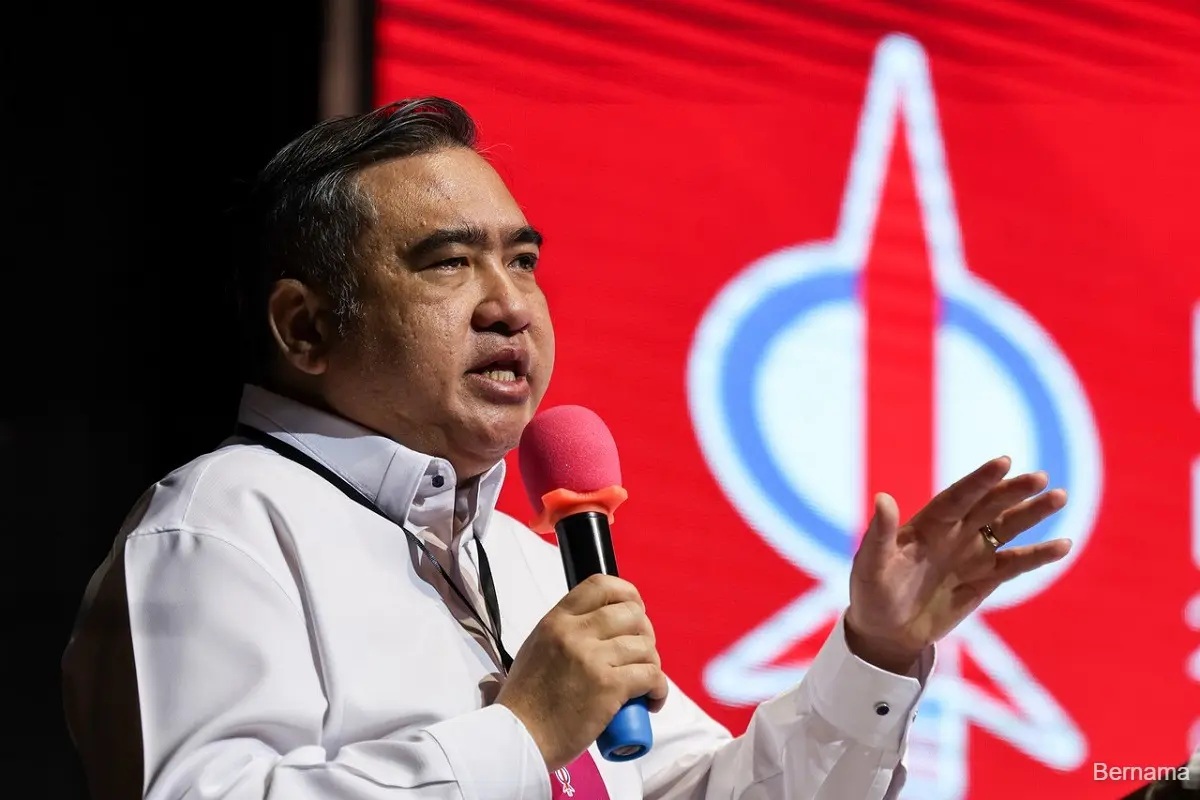
KUALA LUMPUR – Malaysia's political arena is once again abuzz with anticipation as the Democratic Action Party (DAP), a pivotal component of the ruling Pakatan Harapan (PH) coalition, has issued a nationwide directive. The party's entire machinery is now on high alert, instructed to prepare for possible early state elections in three crucial regions: Negeri Sembilan, Melaka, and Johor. This proactive stance, announced on May 5th, underscores a palpable sense of political instability and strategic foresight within the nation's often tumultuous democratic landscape. The move is not merely a precautionary measure but a clear signal that the DAP, and by extension, the PH coalition, is bracing for potential shifts in power dynamics that could reshape the political map of Peninsular Malaysia.
The specter of snap elections, while disruptive, is not new to Malaysian politics. The nation has witnessed a series of rapid political realignments and changes in government over the past few years, leading to a climate where early polls are always a distinct possibility. For the DAP, a party with a strong urban and multi-ethnic support base, readiness is paramount. The directive mandates a comprehensive review of electoral strategies, candidate selection processes, and grassroots mobilization efforts. This intense preparation suggests that the party leadership perceives a significant likelihood of these state assemblies being dissolved ahead of their scheduled terms, potentially triggered by internal political wrangling, coalition instability, or a strategic move by opposing forces.
The Geopolitical Chessboard: Why These Three States Matter
The choice of Negeri Sembilan, Melaka, and Johor for this heightened state of readiness is far from arbitrary. These three states hold considerable strategic importance within Malaysia's political geography. Johor, bordering Singapore, is a powerhouse of economic activity and a traditional stronghold for the United Malays National Organisation (UMNO), though DAP and PH have made significant inroads in recent elections. Its diverse electorate and economic significance make it a bellwether state. A strong showing here can significantly influence national sentiment and provide momentum for future federal elections.
Melaka, a historical state with a rich heritage, has seen its political allegiances shift dramatically in recent years. It was one of the states that fell to Pakatan Harapan in the historic 2018 general election but later reverted to a Perikatan Nasional-led government after the 'Sheraton Move' political crisis in 2020. Its volatile political landscape makes it a key battleground where even a small swing in votes can determine control. The DAP's focus here indicates an intent to either consolidate gains or reclaim lost ground.
Negeri Sembilan, while smaller in population compared to Johor, is strategically located and has a significant rural-urban mix. It has generally been more stable politically, but the DAP's readiness suggests that no state is immune to the current political fluidity. Maintaining control or making advances in Negeri Sembilan would be crucial for the PH coalition to project an image of stability and expand its influence beyond traditional strongholds.
Historical Precedents and Political Volatility
Malaysia's political history is replete with examples of state governments dissolving prematurely. The most recent and prominent example was the Melaka state election in November 2021, triggered by the withdrawal of support from four assemblymen for the then-Chief Minister. This event highlighted the fragility of coalition governments and the constant threat of defections or internal dissent. Similarly, the Johor state election in March 2022 was called after the death of an assemblyman led to a hung parliament situation, forcing another early poll. These precedents serve as stark reminders for the DAP and other parties that political stability is a precious and often fleeting commodity.
The current political climate is characterized by a delicate balance of power at both federal and state levels. The ruling Pakatan Harapan coalition, led by Prime Minister Anwar Ibrahim, holds a slim majority, making every state election a potential referendum on its performance and popularity. The opposition, primarily Perikatan Nasional (PN), is constantly seeking opportunities to exploit any perceived weakness or division within the government ranks. The DAP's preemptive move can be seen as a defensive strategy to ensure its readiness, irrespective of how or when these elections might be called.
Implications for Governance and Public Policy
The constant threat of early elections has significant implications for governance and public policy. When parties are in perpetual campaign mode, the focus can shift from long-term policy implementation to short-term electoral gains. This can lead to delays in crucial reforms, increased populist spending, and a general sense of uncertainty that can deter investment and hinder economic growth. For the citizens of Negeri Sembilan, Melaka, and Johor, this means a period of potential political paralysis as state governments might become hesitant to make bold decisions that could be overturned by a new administration.
Furthermore, the cost of frequent elections is substantial, diverting public funds that could otherwise be used for development projects, healthcare, or education. The DAP's call for readiness, therefore, is not just about internal party organization but also about preparing for the broader societal impact of potential snap polls. It requires not only logistical preparation but also a coherent narrative and policy platform that can resonate with voters amidst the political noise.
The Road Ahead: A Test of Resilience and Strategy
The directive from the DAP leadership marks the beginning of an intense period of political activity. Party members, from grassroots activists to seasoned politicians, will be tasked with invigorating their respective constituencies, identifying potential candidates, and refining their campaign messages. This will be a test of the party's resilience, organizational strength, and strategic acumen. The outcomes of any potential snap elections in these three states will undoubtedly have ripple effects across the entire Malaysian political landscape, potentially influencing the longevity of the current federal government and the trajectory of national politics.
As Malaysia navigates these turbulent waters, the DAP's proactive stance is a clear indication that the political battles are far from over. The coming months will likely witness a flurry of political maneuvering, alliance building, and public campaigning. For observers of Malaysian politics, the focus will be keenly on Negeri Sembilan, Melaka, and Johor, as these states could very well set the tone for the nation's political future. The call to arms has been sounded; the stage is set for another gripping chapter in Malaysia's democratic journey.
Stay Informed
Get the world's most important stories delivered to your inbox.
No spam, unsubscribe anytime.
Comments
No comments yet. Be the first to share your thoughts!