West Asia on Edge: Iran's Nuclear Stance Ignites Ceasefire Fears Amid US Pressure
The West Asian conflict reaches a critical juncture as Iran, facing intense pressure from the U.S. under President Donald Trump, vows to protect its nuclear program. This defiance, coupled with internal religious dissent against nuclear weapons, complicates an already fragile geopolitical landscape. The escalating tensions threaten to unravel any prospects of a lasting ceasefire, drawing global concern.
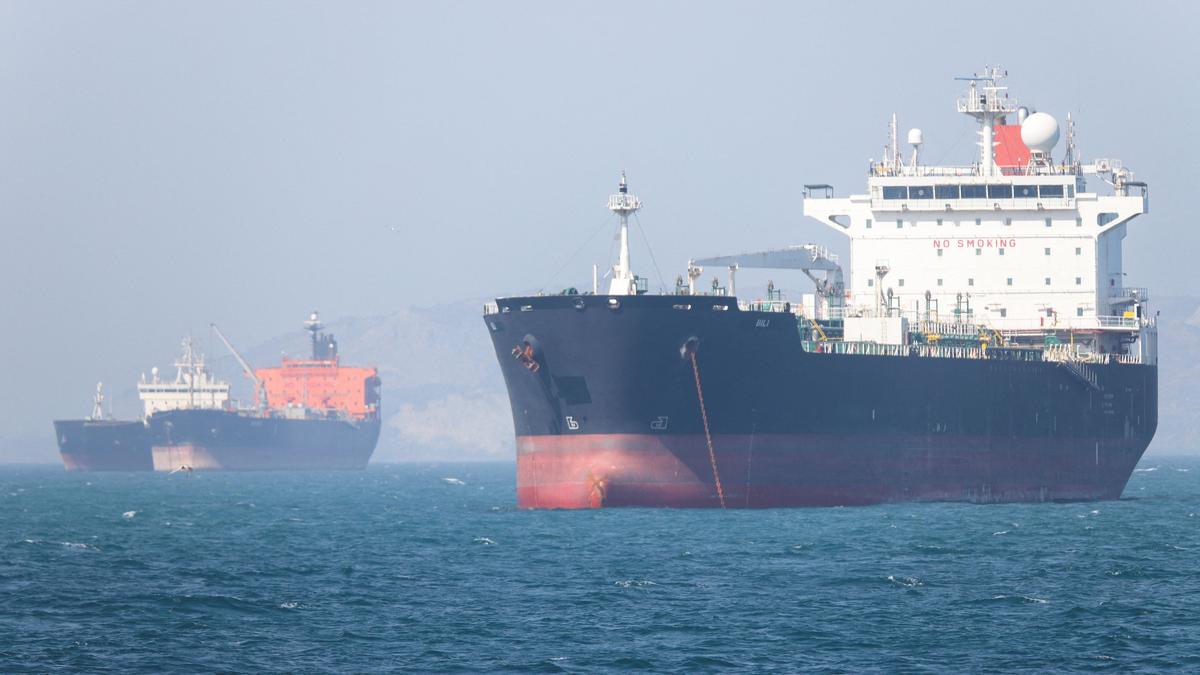
In a region perpetually teetering on the brink, the latest developments in West Asia have cast a long, ominous shadow over prospects for peace. As May 5, 2026, unfolds, the simmering conflict between Iran and Israel has reached a fever pitch, with reports of renewed attacks and a ceasefire hanging precariously in the balance. At the heart of this escalating crisis is Iran's unwavering commitment to its nuclear program, a stance that has drawn the ire and direct intervention of the United States, led by President Donald Trump.
The Nuclear Standoff: Iran's Defiance Amidst US Pressure
The international community watches with bated breath as Iran, under immense pressure from Washington, has defiantly vowed to safeguard its nuclear stockpile. This declaration comes amidst persistent calls from the U.S. for Tehran to abandon its nuclear ambitions, a demand rooted in long-standing concerns over proliferation and regional stability. The rhetoric from both sides has intensified, creating a volatile environment where miscalculation could have catastrophic consequences. For decades, Iran's nuclear activities have been a flashpoint, leading to sanctions, diplomatic stalemates, and proxy conflicts across the Middle East. The current administration in Washington has adopted a particularly hawkish stance, seeking to exert maximum pressure through economic penalties and diplomatic isolation. However, Iran's resolve appears to be hardening, viewing its nuclear program as a matter of national sovereignty and a deterrent against external threats. This fundamental disagreement forms the bedrock of the current crisis, making any path to de-escalation incredibly complex.
Historically, Iran has maintained that its nuclear program is solely for peaceful purposes, primarily energy generation and medical research, a claim often met with skepticism by Western powers and Israel. The 2015 Joint Comprehensive Plan of Action (JCPOA), or Iran nuclear deal, was an attempt to provide international oversight in exchange for sanctions relief. However, the U.S. withdrawal from the deal under the previous Trump administration and subsequent re-imposition of sanctions significantly eroded trust and reignited the nuclear standoff. The current situation sees Iran pushing the boundaries of its nuclear enrichment capabilities, further alarming its adversaries and raising the specter of a nuclear arms race in an already unstable region.
Internal Dissent and Religious Decrees: A Complex Narrative
Adding another layer of complexity to Iran's nuclear posture is the internal discourse surrounding the use of nuclear weapons. Notably, former supreme leader Ayatollah Ali Khamenei has publicly disapproved of the use of nuclear weapons on religious grounds. This fatwa, or religious edict, issued years ago, states that the production and use of weapons of mass destruction are forbidden in Islam. While this decree has often been cited by Iranian officials as proof of their non-aggressive intentions, the international community remains wary, pointing to the country's continued enrichment activities and lack of full transparency. The interplay between religious doctrine, national security interests, and geopolitical strategy creates a nuanced and often contradictory narrative within Iran itself. This internal debate, though not always apparent to outsiders, significantly influences the decision-making process and adds to the unpredictability of the situation. It highlights the ideological underpinnings that shape Iran's foreign policy and its approach to sensitive issues like nuclear proliferation.
* Religious Fatwa: Ayatollah Khamenei's decree against WMDs. While often cited, it doesn't fully alleviate international concerns. * National Sovereignty: Iran views its nuclear program as a right and a deterrent. * Internal Divisions: Potential differing views within the Iranian establishment regarding the pace and scope of nuclear advancements.
Regional Implications and the Looming Threat of Escalation
The escalating tensions between Iran and the U.S., coupled with the ongoing conflict involving Israel, have profound implications for the entire West Asian region. The UAE's reports of attacks underscore the volatile nature of the current environment, where any incident could trigger a broader conflagration. Neighboring countries, many of whom have their own complex relationships with both Iran and Israel, find themselves caught in the crossfire, fearing the destabilizing effects of a full-blown regional conflict. The Strait of Hormuz, a critical global oil chokepoint, remains a potential flashpoint, with disruptions having far-reaching economic consequences. Furthermore, the conflict fuels proxy wars and exacerbates existing sectarian divisions, leading to widespread humanitarian crises and displacement. The involvement of various non-state actors, often supported by regional powers, further complicates the security landscape, making a clear resolution incredibly elusive. The ripple effects of this conflict extend beyond West Asia, impacting global energy markets, international trade routes, and the broader geopolitical balance of power. The international community, including the United Nations and various diplomatic bodies, is scrambling to find a path to de-escalation, but progress remains agonizingly slow amidst entrenched positions and deep-seated animosities.
The Path Forward: Diplomacy or Deterioration?
The current situation presents a stark choice: a concerted diplomatic effort to de-escalate or a continued slide towards potential military confrontation. The immediate priority for international mediators is to secure a lasting ceasefire between the warring parties, a task made infinitely more difficult by Iran's nuclear defiance. For any diplomatic solution to be viable, it would likely require a multi-faceted approach addressing both Iran's nuclear ambitions and the broader security concerns of its neighbors. This could involve renewed negotiations on a revised nuclear deal, regional security dialogues, and confidence-building measures. However, the deep mistrust between the parties, compounded by years of conflict and broken agreements, makes such a path arduous. The role of major global powers, particularly the U.S., Russia, China, and European nations, will be crucial in either facilitating dialogue or inadvertently contributing to further escalation. The future of West Asia, and indeed global stability, hinges on the ability of these actors to navigate this treacherous geopolitical landscape with foresight and restraint. Without a significant shift in posture from the key players, the region risks being plunged into a prolonged period of instability, with devastating consequences for its people and the wider world.
In conclusion, the current standoff over Iran's nuclear program, set against the backdrop of an active conflict and intense U.S. pressure, represents one of the most critical geopolitical challenges of our time. The interplay of national pride, religious edicts, and strategic imperatives creates a complex tapestry of motivations that defy easy solutions. As the world watches, the urgent need for de-escalation and a renewed commitment to diplomacy has never been more apparent, lest the fragile threads of peace unravel completely, plunging West Asia into an even deeper abyss of conflict and uncertainty.
Stay Informed
Get the world's most important stories delivered to your inbox.
No spam, unsubscribe anytime.
Comments
No comments yet. Be the first to share your thoughts!