DJI's New Lito Drones Soar Globally, Grounded in the U.S. by FCC Restrictions
Drone giant DJI has unveiled its latest Lito X1 and Lito 1 consumer drones, targeting entry-level users with advanced features and competitive pricing. While these models are launching globally, they remain conspicuously absent from the U.S. market due to ongoing FCC regulatory hurdles and a complex geopolitical landscape. This situation highlights the growing challenges faced by international tech companies navigating diverse regulatory environments and geopolitical tensions, impacting consumer access and market competition.
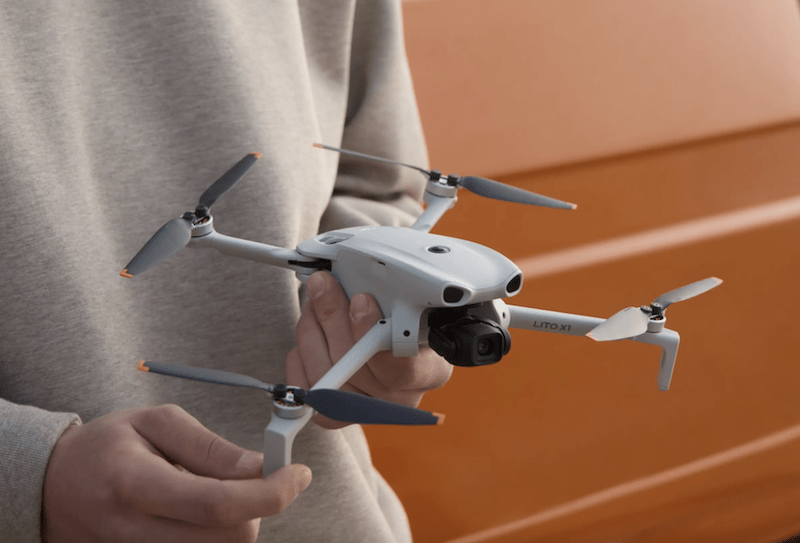
The global drone market, a rapidly expanding frontier of technological innovation, is once again abuzz with the latest offerings from industry behemoth DJI. The company recently announced the international launch of its new Lito X1 and Lito 1 consumer drones, designed to democratize aerial photography and videography for a broader audience, particularly entry-level users. Early reviews from regions where they are available laud their intuitive controls, impressive camera capabilities, and competitive pricing, positioning them as strong contenders in the burgeoning consumer drone segment. However, this global rollout comes with a significant asterisk: these highly anticipated devices are conspicuously absent from the United States market, a void created by persistent regulatory challenges and geopolitical tensions that continue to reshape the tech landscape.
The Lito Lineup: Innovation Meets Accessibility
DJI's Lito series represents a strategic move to capture the entry-level market, a segment often overlooked by higher-end, professional-grade drones. The Lito X1, positioned as the flagship of the new series, boasts features typically found in more expensive models, such as enhanced obstacle avoidance, extended flight times, and improved camera sensors, all packed into a compact and user-friendly design. Its sibling, the Lito 1, offers a more streamlined experience, focusing on ease of use and affordability, making it an ideal choice for first-time drone pilots. These drones are not just about flight; they integrate advanced software for intelligent flight modes, quick-share options, and robust editing tools, aiming to provide a comprehensive aerial imaging solution right out of the box. The design philosophy behind the Lito series emphasizes accessibility without compromising on performance, a hallmark of DJI's market strategy that has historically cemented its dominance.
Historically, DJI has been a pioneer in making drone technology accessible. From its Phantom series that brought drones to the mainstream to the Mavic line that popularized foldable designs, the company has consistently pushed boundaries. The Lito series appears to follow this trajectory, aiming to further lower the barrier to entry for aspiring aerial content creators. The global launch has been met with enthusiasm in markets ranging from Europe to Asia, where consumers are eager to get their hands on these new, feature-rich yet affordable devices. This widespread international availability underscores DJI's continued commitment to its global customer base, even as it navigates complex challenges in key markets.
The American Anomaly: FCC Restrictions and Geopolitical Currents
The absence of the Lito drones in the U.S. market is not an isolated incident but rather a symptom of a much larger and more intricate issue. The primary hurdle, as highlighted by recent court filings and industry reports, stems from FCC (Federal Communications Commission) restrictions. While the exact nature of these restrictions can be multifaceted, they often relate to concerns over data security, national security, and competitive practices. The U.S. government has expressed increasing apprehension regarding Chinese-made technology, citing potential risks of espionage or data exploitation. This has led to a series of legislative and regulatory actions aimed at limiting the presence of certain foreign tech products within American borders.
The context for these restrictions is deeply rooted in the escalating geopolitical tensions between the U.S. and China. Over the past few years, a technology cold war has unfolded, with both nations vying for supremacy in critical sectors like AI, 5G, and advanced manufacturing. Drones, with their dual-use potential for both civilian and military applications, have naturally become a focal point in this struggle. The U.S. government's stance has been to prioritize national security, leading to bans or severe restrictions on companies perceived as posing a risk. For DJI, a company that commands an estimated 70-80% of the global consumer drone market, these restrictions represent a significant blow to its presence in one of the world's largest and most lucrative markets.
It's important to note that these restrictions don't necessarily apply to all DJI products. Existing models, which have already received FCC approval and are widely used by consumers and businesses alike, remain available for purchase in the U.S. This creates a bifurcated market where older, approved models are accessible, while newer, potentially more advanced ones are not. This situation not only frustrates American consumers eager for the latest tech but also puts DJI at a disadvantage against competitors who can freely introduce new products into the U.S. market.
Implications for Consumers, Competition, and Innovation
The immediate impact of these restrictions is felt most acutely by American consumers. They are denied access to the latest innovations from the market leader, potentially forcing them to choose between older DJI models or less feature-rich alternatives from other manufacturers. This can lead to a less competitive market, where the absence of a dominant player's newest products might stifle innovation from other companies who face less pressure to constantly upgrade their offerings.
For the broader drone industry, this scenario presents a complex dynamic. On one hand, it creates opportunities for non-Chinese drone manufacturers to gain market share in the U.S. Companies like Autel Robotics, Parrot, and Skydio (a U.S.-based company) could potentially benefit from DJI's constrained access, accelerating their own product development and market penetration. This could foster a more diverse drone ecosystem in the U.S., which some policymakers might view as a desirable outcome from a national security perspective. On the other hand, it fragments the global market, potentially leading to different technological standards and user experiences across regions.
From DJI's perspective, the U.S. market's closure for new products necessitates a strategic pivot. The company will likely intensify its focus on other global markets where regulatory environments are more favorable. This could involve tailoring products more specifically to regional needs and investing more heavily in marketing and distribution outside the U.S. It also puts pressure on DJI to navigate the complex U.S. regulatory landscape, perhaps by exploring pathways for future product approvals or even considering manufacturing or R&D facilities within the U.S. if such options become viable.
The Road Ahead: A Fragmented Future?
The situation with DJI's Lito drones is a microcosm of a larger trend towards technological decoupling between major global powers. As nations increasingly prioritize national security and economic sovereignty, the free flow of technology and goods is becoming more constrained. This could lead to a future where tech ecosystems are more localized, with different regions developing and adopting distinct sets of hardware and software. For consumers, this might mean less choice and potentially higher prices due to reduced competition.
For the drone industry specifically, the path forward is uncertain. Will the U.S. eventually ease restrictions, or will they become more entrenched? Will other nations follow suit, creating a truly fragmented global market? These questions remain open, but what is clear is that companies like DJI must adapt to a new reality where geopolitical considerations are as critical as technological innovation. The ongoing legal battles and policy debates surrounding companies like DJI will continue to shape the future of technology, impacting everything from consumer electronics to critical infrastructure. The saga of the Lito drones serves as a potent reminder that in the interconnected yet increasingly divided world of the 21st century, even the most innovative products can be grounded by forces far beyond their control.
Stay Informed
Get the world's most important stories delivered to your inbox.
No spam, unsubscribe anytime.
Comments
No comments yet. Be the first to share your thoughts!