Dnipro Under Siege: Russia's Escalating Aerial Campaign Leaves Dozens Dead, Wounds Ukraine's Resolve
A recent, massive aerial assault by Russia on the Ukrainian city of Dnipro has resulted in at least 10 fatalities and 67 injuries, marking one of Moscow's most extensive strikes. The attack, characterized by repeated waves, has left significant destruction and raised fears of more victims trapped under rubble. This escalation underscores the brutal reality of the ongoing conflict and its devastating impact on civilian populations.
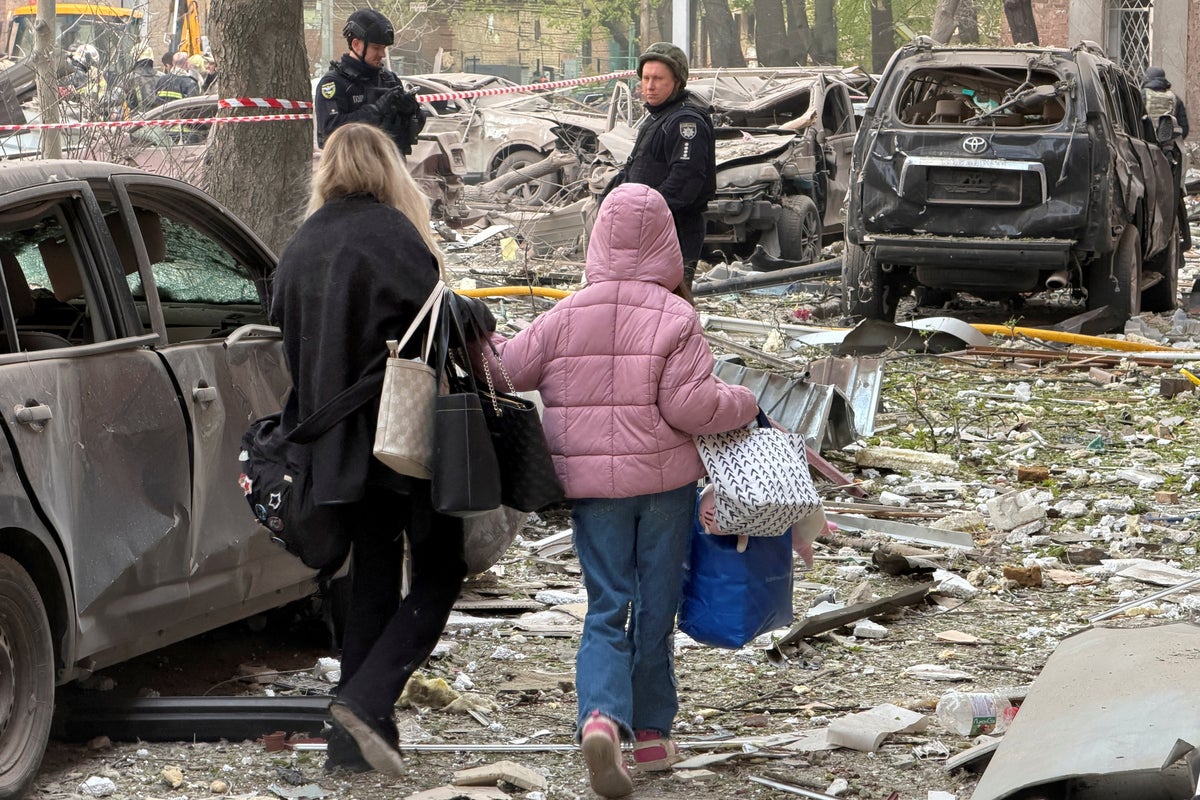
The echoes of war reverberate across Ukraine, but few moments have struck with the chilling intensity of the recent aerial bombardment on Dnipro. In what authorities describe as one of Moscow’s largest and most devastating aerial strikes since the full-scale invasion began, the industrial heartland city was subjected to repeated waves of missile and drone attacks, leaving a trail of death, destruction, and despair. At least 10 civilians were confirmed dead, and a staggering 67 others sustained injuries, a grim tally that continues to rise as rescue efforts uncover the full extent of the tragedy. The fear of more victims trapped beneath the shattered remnants of homes and infrastructure casts a long, dark shadow over the city, a stark reminder of the brutal calculus of modern warfare.
The Anatomy of an Assault: Dnipro's Darkest Hour
The attack on Dnipro was not a singular event but a sustained barrage, a calculated act of terror designed to inflict maximum damage and psychological trauma. Eyewitness accounts speak of multiple explosions ripping through residential areas, shattering windows, collapsing buildings, and igniting fires that raged through the night. Emergency services, working tirelessly under immense pressure, described a chaotic scene where every minute counted in the race against time to pull survivors from the rubble. The sheer scale of the destruction suggests a broad array of weaponry was deployed, from cruise missiles to Iranian-made Shahed drones, targeting not just military installations but civilian infrastructure, including apartment blocks, hospitals, and critical energy facilities. This indiscriminate targeting strategy is a hallmark of Russia's campaign, aimed at breaking Ukrainian morale and crippling its ability to sustain the war effort, even at the cost of innocent lives.
The strategic importance of Dnipro cannot be overstated. Situated on the Dnieper River, it is a vital logistical hub, a major industrial center, and a critical artery for the movement of goods and troops across Ukraine. Its relative distance from the front lines had, until recently, offered a semblance of security compared to cities closer to the conflict zones. However, this latest attack shatters that illusion, demonstrating Russia’s capability and willingness to strike deep within Ukrainian territory, reinforcing the omnipresent threat that looms over every city and town. The psychological impact on the populace is profound, fostering a pervasive sense of vulnerability and uncertainty about the future.
A Broader Context: Russia's Evolving War Strategy
This devastating strike on Dnipro is not an isolated incident but part of a discernible pattern in Russia's evolving war strategy. As the ground war has become a grinding stalemate, characterized by entrenched positions and incremental gains, Moscow has increasingly relied on its aerial superiority to exert pressure. The past months have seen a significant uptick in long-range missile and drone attacks across Ukraine, often targeting critical infrastructure during colder months to exacerbate humanitarian suffering. This strategy aims to deplete Ukraine's air defense capabilities, disrupt its supply lines, and undermine the population's will to resist.
Historically, aerial bombardments have been used as a tool of strategic coercion, from the Blitz during World War II to the bombing campaigns in Vietnam and the Middle East. Russia's current approach mirrors these historical precedents, attempting to achieve objectives through terror and destruction that have proven elusive on the battlefield. The sheer volume and sophistication of these recent attacks, including the use of hypersonic missiles and swarms of drones, indicate a concerted effort to overwhelm Ukrainian air defenses, which, despite significant Western aid, remain stretched thin across a vast territory. The international community has condemned these actions as war crimes, yet the attacks persist, highlighting the urgent need for more robust air defense systems and continued humanitarian support for Ukraine.
Humanitarian Crisis and International Response
The immediate aftermath of such an attack invariably plunges the affected area into a deep humanitarian crisis. Beyond the immediate casualties, thousands are left homeless, their lives uprooted, their livelihoods destroyed. The destruction of critical infrastructure, such as power grids and water supply systems, further exacerbates the suffering, particularly as winter approaches. Medical facilities are overwhelmed, resources are stretched, and the psychological toll on survivors, especially children, is immense. The international community, while quick to condemn, faces the ongoing challenge of providing adequate aid and support to a nation under constant assault.
Organizations like the United Nations, the Red Cross, and numerous NGOs are on the ground, working to provide emergency shelter, food, medical assistance, and psychological support. However, the scale of the need often outstrips the available resources. The repeated nature of these attacks also complicates relief efforts, as aid workers themselves operate under the constant threat of further bombardments. The sustained nature of this conflict has led to one of the largest displacement crises in recent history, with millions forced to flee their homes, both internally and across international borders. The international response has been robust in terms of financial and military aid, but the human cost continues to mount, demanding an even greater collective effort.
The Path Forward: Resilience Amidst Adversity
Despite the horrific toll, the spirit of Ukrainian resilience remains unbroken. In Dnipro, as in other cities targeted by Russian aggression, communities quickly rally, volunteers emerge, and the arduous process of recovery begins even as the sirens continue to wail. This unwavering determination, coupled with continued military and humanitarian support from Western allies, forms the bedrock of Ukraine's resistance. However, the question of how long this can be sustained, and at what cost, weighs heavily on the minds of leaders and citizens alike.
The future of the conflict remains uncertain, but one thing is clear: Russia's strategy of aerial terror aims to break Ukraine's will and destabilize the region. The international community's response, therefore, must be multifaceted, combining robust military aid to enhance Ukraine's defensive capabilities, particularly air defense, with sustained diplomatic pressure and stringent sanctions against the aggressor. Furthermore, long-term reconstruction efforts and psychological support programs will be crucial for healing the wounds of war. The tragedy in Dnipro serves as a stark reminder that the fight for Ukraine's sovereignty is far from over, and the human cost continues to be devastatingly high. The world watches, hoping for an end to the violence, but recognizing that the path to peace is paved with immense challenges and unwavering resolve.
Stay Informed
Get the world's most important stories delivered to your inbox.
No spam, unsubscribe anytime.
Comments
No comments yet. Be the first to share your thoughts!