The Unsettling Manifesto: Unpacking Cole Thomas Allen's White House Correspondents' Association Attack Plot
A chilling 1,000-word manifesto penned by DC gunman Cole Thomas Allen has revealed the intricate, disturbing details of his planned attack on the White House Correspondents’ Association event. The document outlined his intended targets, yet surprisingly designated one Trump administration official for exemption. This deep dive explores the motivations, implications, and broader context of such domestic extremist threats, examining the psychological underpinnings and societal impact of radicalized ideologies.
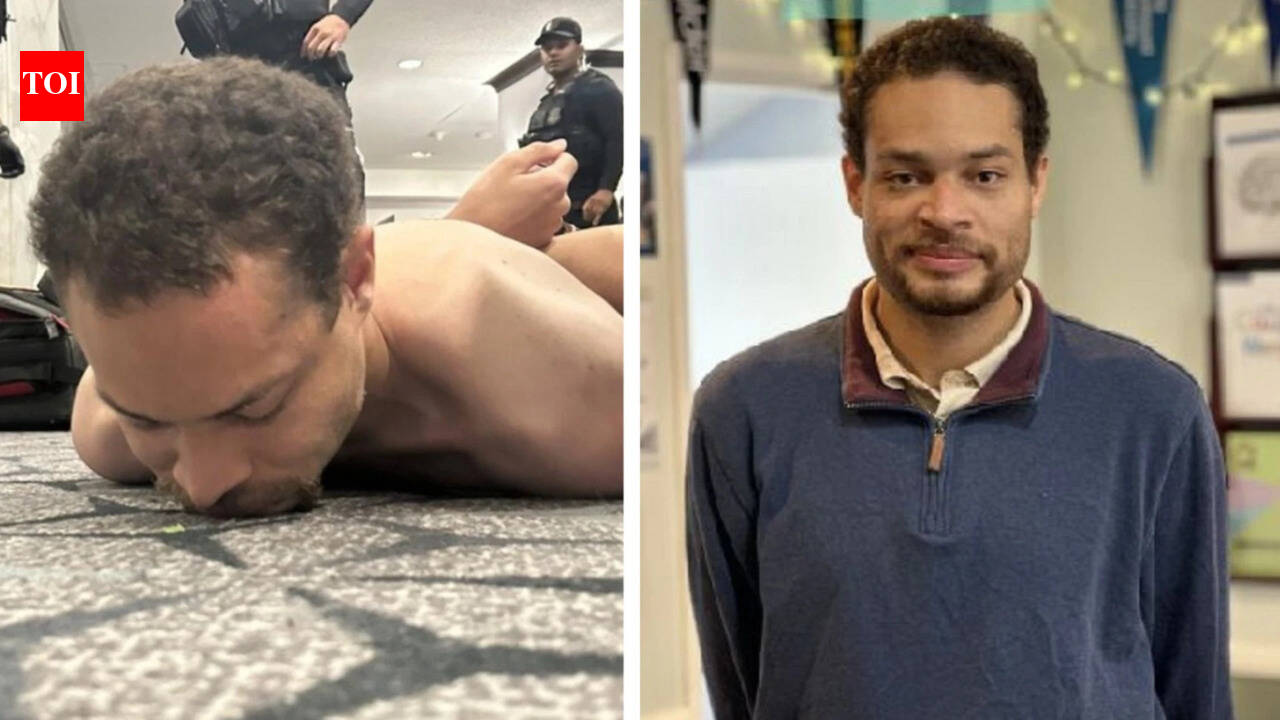
The glitz and glamour of Washington D.C.'s annual White House Correspondents’ Association Dinner, a traditional gathering of journalists, politicians, and celebrities, nearly became the scene of an unimaginable tragedy. A meticulously planned assault, orchestrated by a lone gunman identified as Cole Thomas Allen, was narrowly averted, but the chilling details of his intent have now emerged through a 1,000-word manifesto. This document, a disturbing window into a radicalized mind, not only listed his intended victims but also contained a perplexing exemption for a single Trump administration official.
Allen's plot underscores a growing concern about domestic extremism and the psychological profiles of individuals who harbor such violent intentions. The incident serves as a stark reminder of the constant vigilance required to safeguard democratic institutions and public figures from those who seek to disrupt them through terror and violence. As details continue to unfold, the focus shifts to understanding the 'why' behind such acts and the broader implications for national security and societal cohesion.
The Manifesto's Disturbing Disclosures
The existence of Cole Thomas Allen's manifesto has sent ripples of concern through national security circles. Unlike many lone wolf attackers whose motives remain shrouded in mystery, Allen explicitly articulated his grievances and targets within this extensive document. While the full contents have not been publicly released, reports indicate it detailed a comprehensive plan to inflict mass casualties at the high-profile Correspondents’ Association event. The choice of target, a gathering synonymous with the free press and political discourse, suggests a deliberate attempt to strike at the heart of American democratic institutions and the media's role within them.
What truly sets Allen's manifesto apart, however, is the specific exemption granted to one Trump administration official. This detail is not merely a footnote; it's a crucial piece of the puzzle that could offer insights into Allen's specific ideological leanings, his perceived allies, or even a twisted sense of political alignment. Such a distinction suggests a highly personalized, rather than purely indiscriminate, form of radicalization. Analysts are now poring over this detail, attempting to decipher if it points to a specific political grievance, a shared belief system, or perhaps a more idiosyncratic rationale that fueled his violent fantasies. The inclusion of such a specific exception is rare in manifestos of this nature, which typically paint broad strokes of animosity against perceived enemies.
Understanding the Psychology of Lone Wolf Extremism
The case of Cole Thomas Allen fits a concerning pattern of lone wolf extremism, individuals who, often acting independently, plan and execute acts of violence driven by radical ideologies. These individuals frequently spend considerable time in isolation, consuming extremist content online, which reinforces their grievances and validates their violent intentions. The internet has become a potent incubator for such radicalization, providing echo chambers where hateful narratives can fester and grow unchecked.
Psychological profiles of lone wolf attackers often reveal a complex interplay of factors: * Social Isolation: A lack of meaningful social connections can lead to feelings of alienation and a search for belonging in extremist online communities. * Perceived Grievances: Individuals often feel personally wronged or believe society has failed them, leading to a desire for retribution. * Ideological Adherence: Adoption of extremist worldviews, whether political, racial, or religious, provides a framework for their anger and justifies violence. * Cognitive Distortions: A tendency to interpret events in a way that confirms their biases, often leading to a dehumanization of targets.
In Allen's case, the manifesto serves as a chilling example of how these elements can coalesce into a concrete plan for violence. The detailed nature of his writings suggests a significant period of planning and ideological development, highlighting the challenge for law enforcement and intelligence agencies to identify and intervene before such plots materialize.
The Broader Context: Threats to Democratic Institutions
The attempted attack on the White House Correspondents’ Association event is not an isolated incident but rather indicative of a broader trend of increasing threats against democratic institutions and their representatives. In recent years, the United States has witnessed a concerning rise in politically motivated violence and threats, ranging from attacks on elected officials to threats against journalists and public servants. Data from organizations like the Anti-Defamation League (ADL) and the Southern Poverty Law Center (SPLC) consistently show an uptick in extremist activity, particularly from anti-government and white supremacist groups.
For example, the Capitol attack on January 6, 2021, stands as a stark reminder of the fragility of democratic norms when confronted with radicalized elements. While Allen's plot was different in scope and target, it shares the underlying motive of using violence to express political grievances and disrupt the normal functioning of government and civil society. The targeting of journalists, in particular, is a direct assault on the Fourth Estate, a critical pillar of any functioning democracy responsible for holding power accountable and informing the public.
Implications for Security and Free Press
The revelations from Allen's manifesto necessitate a re-evaluation of security protocols for high-profile public events and a renewed focus on intelligence gathering regarding domestic threats. The ability of an individual to meticulously plan such an attack, even with a detailed written account, underscores the difficulty in detecting and preventing these incidents. Security agencies must contend with the challenge of balancing public accessibility with necessary protection, especially at events that are inherently open and designed for interaction.
For the free press, the incident is a sobering reminder of the dangers inherent in their profession, particularly in an increasingly polarized political climate where journalists are often demonized. The targeting of the White House Correspondents’ Association event sends a clear message of intimidation, aiming to silence critical voices and undermine the public's trust in media. Protecting journalists and ensuring their ability to report without fear of violence is paramount to preserving a healthy democracy.
Moving Forward: Vigilance and Resilience
The attempted attack by Cole Thomas Allen, and the insights gleaned from his manifesto, serve as a potent call to action. Addressing the root causes of radicalization – whether through mental health support, countering online extremism, or fostering greater societal cohesion – is a long-term endeavor. In the immediate future, enhanced security measures, improved intelligence sharing, and public awareness campaigns about the dangers of extremist ideologies are crucial.
The resilience of democratic institutions, the unwavering commitment of the free press, and the collective vigilance of citizens will be essential in navigating this complex threat landscape. While the specific motivations behind Allen's exemption of one official remain under investigation, the broader message is clear: the fight against domestic extremism requires a multifaceted approach, combining robust security with a deep understanding of the ideological currents that fuel such dangerous plots. Only through sustained effort can society hope to mitigate the risk of future tragedies and uphold the values that define a free and open society.
Stay Informed
Get the world's most important stories delivered to your inbox.
No spam, unsubscribe anytime.
Comments
No comments yet. Be the first to share your thoughts!