Escalation and Exchange: Russia's Drone Barrage Follows Prisoner Swap and Mass Repatriation of Fallen Ukrainian Soldiers
A brutal wave of nearly 300 Russian drones struck Ukraine overnight, hitting 15 locations and claiming at least one life, just hours after a significant prisoner exchange saw 205 POWs returned by each side. This intensified assault also coincided with the grim repatriation of 528 fallen Ukrainian soldiers, underscoring the war's relentless human cost. The attacks highlight Russia's persistent aerial tactics and Ukraine's ongoing struggle for air defense supremacy amidst a conflict marked by both diplomatic gestures and devastating violence.
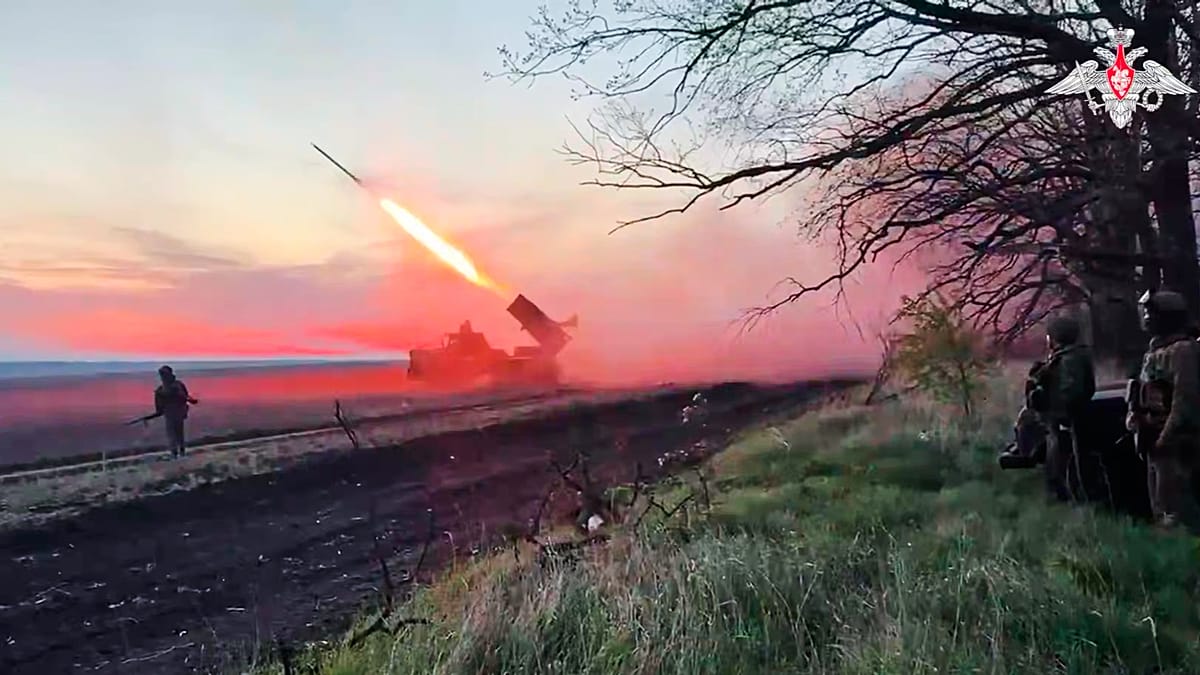
The night sky over Ukraine once again became a canvas of terror as Russian forces unleashed an unprecedented barrage of nearly 300 drones, striking 15 locations across the nation. This devastating assault, which claimed at least one life, unfolded mere hours after a rare and significant prisoner exchange, where both Russia and Ukraine repatriated 205 prisoners of war each. Adding to the somber backdrop, the bodies of 528 Ukrainian soldiers were also returned, a stark reminder of the conflict's relentless human toll and the complex, often contradictory, dynamics at play in this protracted war.
This latest wave of aerial attacks underscores Russia's continued reliance on drones, particularly Iranian-made Shahed-136/131 'Geran-2' models, to overwhelm Ukrainian air defenses and target critical infrastructure. The sheer volume of the strike—294 drones, according to Ukraine's Air Force—represents one of the largest single drone attacks since the full-scale invasion began in February 2022. While Ukrainian air defense systems managed to intercept a significant number, the direct hits recorded at multiple locations highlight the persistent challenge Kyiv faces in protecting its cities and citizens from these relentless assaults. The timing of these attacks, following a humanitarian gesture like the prisoner swap, speaks volumes about the Kremlin's dual strategy of maintaining military pressure while occasionally engaging in limited diplomatic maneuvers.
The Dual Realities of War: Diplomacy and Devastation
The simultaneous occurrence of a prisoner exchange and a massive drone attack paints a grim picture of the ongoing conflict. The exchange of 205 prisoners of war by each side was a moment of hope and humanity, offering a glimmer of relief to hundreds of families. Such exchanges are often the result of painstaking negotiations, sometimes mediated by third parties, and represent one of the few avenues for direct, albeit limited, cooperation between the warring nations. They are crucial for upholding international humanitarian law and providing a pathway for soldiers to return home. However, the subsequent drone attack immediately overshadowed this positive development, serving as a brutal reminder that military objectives often supersede humanitarian considerations in the broader calculus of war.
The return of 528 bodies of fallen Ukrainian soldiers further amplifies the profound human cost. Each body represents a life lost, a family shattered, and a community in mourning. The process of identifying and repatriating the deceased is a solemn and painstaking one, often involving forensic experts and international organizations. It is a necessary step for families to find closure and for societies to honor their fallen heroes. The sheer number of returned bodies underscores the intensity of the fighting and the heavy casualties sustained on both sides, particularly in protracted battles for strategic locations. These grim statistics often remain hidden behind the daily headlines of military advances and retreats, yet they are the true measure of the war's devastating impact.
Russia's Aerial Strategy: Overwhelming Defenses
Russia's strategy of employing large numbers of drones, often in conjunction with cruise missiles, is designed to exhaust and overwhelm Ukraine's air defense capabilities. The Shahed drones, while slower and less sophisticated than ballistic missiles, are relatively inexpensive to produce and can be launched in waves, forcing Ukraine to expend costly interceptor missiles. This tactic aims to deplete Ukraine's air defense stockpiles, create openings for more advanced weaponry, and sow terror among the civilian population. The widespread nature of the attacks, targeting 15 different locations, suggests an intent to spread fear and disrupt normal life across a broad geographical area, rather than focusing solely on military targets.
Expert analysis suggests that Russia is continually refining its drone tactics, often using different types of drones and missiles in layered attacks to maximize their effectiveness. The use of 'swarm' tactics, where numerous drones are launched simultaneously from multiple directions, makes it incredibly challenging for air defense systems to track and neutralize every threat. This necessitates a robust and multi-layered air defense network, which Ukraine has been desperately trying to build with Western assistance. The ongoing struggle for air superiority and effective air defense remains a critical battleground in this conflict, directly impacting civilian safety and the preservation of critical infrastructure.
Ukraine's Resilience and International Support
Despite the relentless attacks, Ukraine has demonstrated remarkable resilience. Its air defense forces, often operating with older Soviet-era equipment augmented by modern Western systems, continue to achieve high interception rates against incoming threats. However, the sheer scale of Russian attacks means that some drones inevitably get through, causing damage and casualties. Kyiv's appeals for more advanced air defense systems, such as Patriot and SAMP/T batteries, as well as fighter jets, are a testament to the urgent need for enhanced protection against these aerial threats.
International support remains crucial for Ukraine's survival. Western nations have provided billions in military aid, including air defense munitions, radar systems, and training. However, the pace and volume of this aid are constantly under scrutiny, particularly as Russia adapts its tactics. The long-term sustainability of Ukraine's air defense, and indeed its overall war effort, hinges on consistent and sufficient international backing. The political will in donor countries, economic pressures, and the evolving geopolitical landscape all play a role in shaping the future of this support.
Looking Ahead: A War of Attrition and Unpredictable Turns
The recent events—a prisoner exchange, mass repatriation of fallen soldiers, and a massive drone attack—underscore the complex and often brutal nature of the war in Ukraine. It is a conflict characterized by both intense military engagements and sporadic humanitarian gestures, a war of attrition where both sides seek to exhaust the other's resources and will to fight. The immediate future suggests a continuation of Russia's aerial campaigns, likely targeting energy infrastructure as winter approaches, and Ukraine's ongoing efforts to bolster its defenses and maintain international support.
The human cost, as evidenced by the returned bodies of 528 soldiers, will continue to mount. While prisoner exchanges offer brief moments of relief, they do not signal a broader de-escalation. The path to a lasting peace remains elusive, clouded by deep-seated geopolitical rivalries and irreconcilable demands from both sides. For the international community, the challenge lies in sustaining support for Ukraine while seeking viable diplomatic off-ramps, however distant they may seem. The world watches, holding its breath, as Ukraine endures another night of fire, a testament to its unwavering spirit in the face of overwhelming aggression.
Stay Informed
Get the world's most important stories delivered to your inbox.
No spam, unsubscribe anytime.
Comments
No comments yet. Be the first to share your thoughts!