Swatch Mania: UK Stores Close Amid Frenzied Queues for Limited Edition MoonSwatch
Hundreds of eager customers across the UK descended upon Swatch stores, queuing for hours, sometimes overnight, to get their hands on a new limited-edition MoonSwatch pocket watch. The unprecedented demand led to safety concerns, forcing the Swiss watchmaker to temporarily close several branches, including those in London. This phenomenon highlights the potent blend of brand legacy, strategic scarcity, and accessible luxury in today's consumer market.
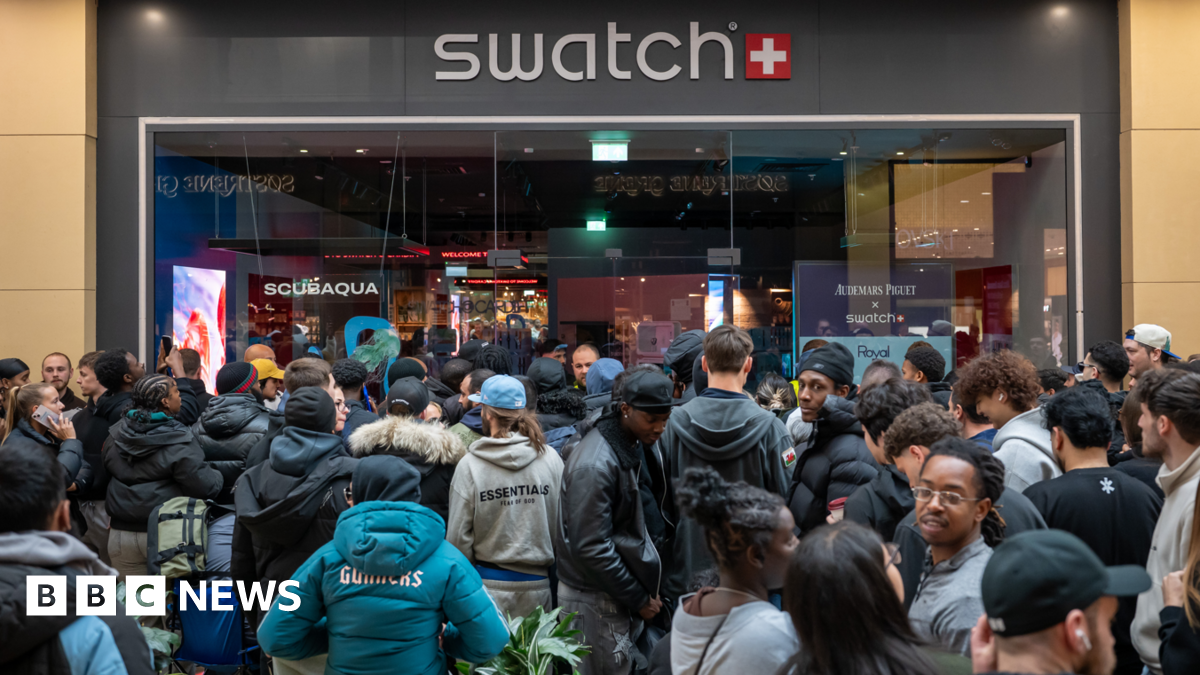
In an extraordinary display of consumer fervor, Swatch stores across the United Kingdom were forced to close their doors after hundreds of eager customers queued for hours, and in some cases overnight, to purchase a new limited-edition pocket watch. The scenes, reminiscent of major tech launches or exclusive sneaker drops, saw queues snaking around city blocks, culminating in safety concerns that prompted the Swiss watch giant to temporarily cease operations at several key branches, including its flagship London stores. This unexpected surge in demand for the £335 timepiece, a collaboration that taps into the enduring allure of space exploration and horological heritage, has sent ripples through both the retail sector and the world of collectible goods.
The Allure of Scarcity: A Marketing Masterclass
The item causing this commotion is the MoonSwatch Mission to the Moonphase, a Snoopy-themed pocket watch that builds on the phenomenal success of the original MoonSwatch collaboration with Omega. Launched in 2022, the initial MoonSwatch series, which offered an accessible plastic version of Omega's iconic Speedmaster Moonwatch, famously triggered similar scenes of mass hysteria globally. Swatch, a brand known for its vibrant, affordable, and often quirky timepieces, has masterfully leveraged the concept of perceived scarcity and accessible luxury. By creating a product that mimics a high-end, often unattainable item (the Omega Speedmaster, which can cost thousands) at a fraction of the price, they have democratized a piece of horological history. This strategy generates immense buzz, transforming a watch release into a cultural event.
The current pocket watch, featuring Snoopy – NASA's safety mascot and a beloved character – further amplifies its appeal. The combination of a respected luxury brand (Omega, by proxy), a nostalgic pop culture icon, and a limited-edition release creates a potent cocktail that drives collectors, enthusiasts, and even casual buyers into a frenzy. The price point of £335, while not insignificant, is still within reach for many, making it an attractive proposition for those looking to own a piece of a coveted collaboration without the prohibitive cost of a traditional luxury watch.
Unpacking the Phenomenon: Beyond Just a Watch
What drives hundreds of people to brave cold weather and long hours in queues, often with no guarantee of securing the desired item? Several factors are at play:
* Brand Heritage and Storytelling: The Omega Speedmaster's connection to space exploration and its status as the first watch worn on the Moon provides an unparalleled narrative. The MoonSwatch taps directly into this rich history, allowing consumers to feel a part of something legendary. * Collectibility and Resale Value: Limited editions often command higher prices on the secondary market. While Swatch has stated these are not strictly limited in production but rather limited in distribution, the initial scarcity fuels speculation and the desire to acquire a potentially valuable asset. * FOMO (Fear Of Missing Out): Social media amplifies the excitement, with images and videos of queues and successful purchases creating a powerful sense of urgency and competition among potential buyers. * Affordable Entry Point to Luxury: For many, this is an opportunity to own a piece of a high-end brand's aesthetic without the prohibitive cost. It's a gateway product that offers a taste of luxury.
This phenomenon isn't new. From Apple product launches to designer collaborations with fast-fashion brands, the deliberate creation of scarcity and the strategic use of brand partnerships have proven to be incredibly effective marketing tools. However, the scale and intensity of the Swatch queues highlight a particular resonance with the public, perhaps reflecting a desire for tangible, collectible items in an increasingly digital world.
Operational Challenges and Safety Considerations
The closure of Swatch stores underscores the significant operational challenges posed by such overwhelming demand. While a successful marketing campaign is undoubtedly a boon for brand visibility and sales, managing hundreds of people in public spaces requires meticulous planning and robust security measures. The statement from Swatch, citing "safety considerations," is a clear indication that the crowds exceeded manageable levels, posing potential risks to both customers and staff.
This situation forces retailers to re-evaluate their release strategies for highly anticipated products. While online sales can mitigate some crowd issues, Swatch's decision to maintain an in-store only purchase model for the MoonSwatch series is a deliberate choice. It fosters a sense of exclusivity, creates a physical event, and perhaps, encourages impulse purchases. However, it also places a heavy burden on store staff and local authorities to manage the resulting crowds. Future releases may require enhanced crowd control, staggered release times, or even a lottery system to prevent similar safety concerns.
The Future of 'Hype' Marketing and Retail Experiences
The Swatch MoonSwatch saga is more than just a story about a watch; it's a case study in modern consumer behavior and the power of strategic marketing. It demonstrates that even in an age dominated by e-commerce, the allure of a physical product launch, especially one steeped in hype and exclusivity, remains incredibly potent. For consumers, it offers an experience, a story to tell, and a tangible connection to a brand or cultural moment.
Looking ahead, brands will continue to refine these "hype" marketing strategies. The balance lies in generating excitement without compromising safety or alienating potential customers. The success of the MoonSwatch suggests that consumers are hungry for products that offer a blend of heritage, innovation, and perceived value, especially when presented with a compelling narrative and a touch of exclusivity. As the queues eventually dissipate and the watches find their new owners, the question remains: what will be the next item to ignite such a fervent response, and how will retailers adapt to manage the inevitable crowds?
Stay Informed
Get the world's most important stories delivered to your inbox.
No spam, unsubscribe anytime.
Comments
No comments yet. Be the first to share your thoughts!