EU's Age Verification App: A Global Blueprint for Digital Child Protection?
The European Union is poised to launch a groundbreaking online age verification app, signaling a significant shift in how digital platforms interact with minors. This initiative, spearheaded by Ursula von der Leyen, aims to create a safer online environment amidst growing calls for social media bans for children. Its potential to become a global standard for digital identity and child protection is immense, raising both hopes for safety and concerns about privacy and accessibility.
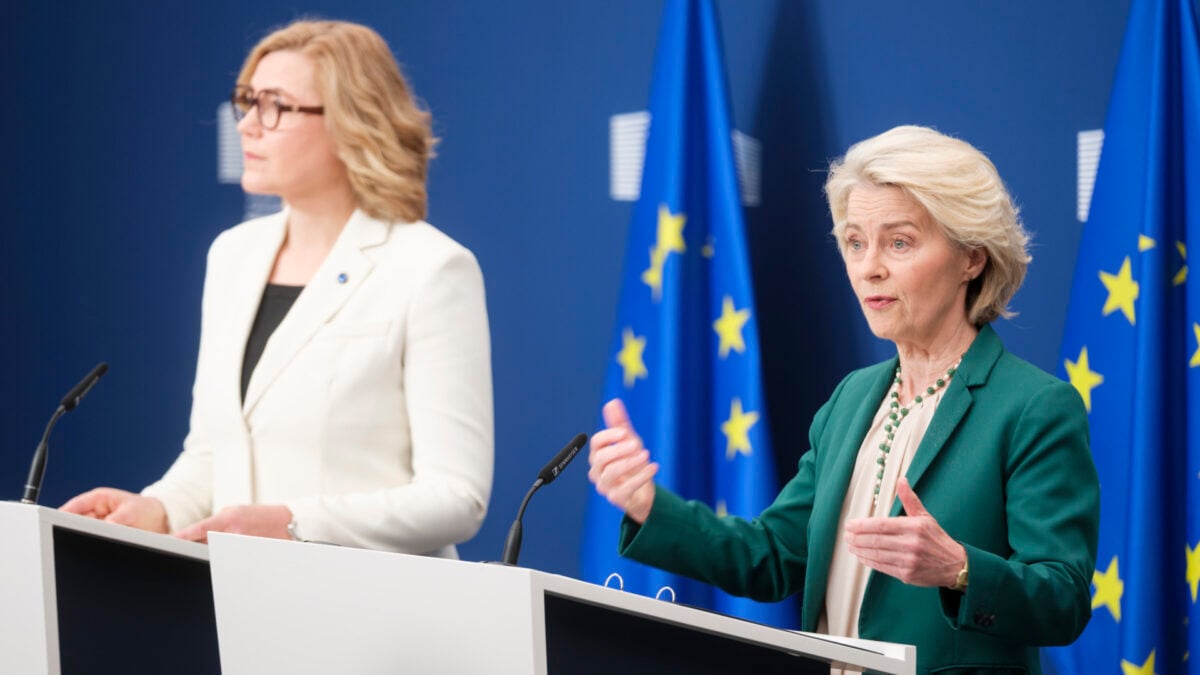
In an era where children navigate the digital landscape from increasingly younger ages, the line between online freedom and protection has become dangerously blurred. The European Union, often a trailblazer in digital regulation, is now stepping into this contentious arena with a bold and potentially revolutionary solution: a new online age verification application. This initiative, recently announced by European Commission President Ursula von der Leyen, is not merely another digital tool; it represents a significant, proactive stride towards establishing a safer online ecosystem for minors, with profound implications that could resonate far beyond Europe's borders.
“Our European age verification app is technically ready and soon available for citizens to use,” von der Leyen declared, her words echoing the growing global momentum for stricter controls on children's access to digital content and social media. This development comes at a critical juncture, as debates intensify worldwide regarding the appropriate age for social media access and the responsibilities of tech giants in safeguarding their youngest users. The EU's move could very well set a new precedent, offering a blueprint for how societies can reconcile the pervasive nature of the internet with the imperative to protect vulnerable populations.
The Urgency Behind the Initiative: A Digital Wild West for Minors
The need for robust age verification has never been more pressing. The digital realm, while offering unparalleled opportunities for learning and connection, also harbors significant risks for children, including exposure to inappropriate content, cyberbullying, online predation, and the pervasive mental health challenges linked to excessive social media use. Recent studies consistently highlight the alarming statistics: a significant percentage of children under the age of 13 – the minimum age for most social media platforms – already have active accounts, often by circumventing age gates with ease. This 'digital wild west' scenario has fueled widespread parental anxiety, calls from child protection advocates, and increasing legislative pressure.
Governments globally are grappling with how to effectively enforce age restrictions online. Current methods, often relying on self-declaration or rudimentary checks, are notoriously ineffective. The EU's app aims to address this fundamental flaw by providing a more reliable, secure, and privacy-preserving mechanism for verifying a user's age. This isn't just about blocking access; it's about enabling age-appropriate experiences, ensuring that children are only exposed to content and interactions suitable for their developmental stage. The underlying principle is to empower users with a digital identity that can be selectively disclosed, rather than broadcasting personal data indiscriminately.
How It Works: Balancing Security and Privacy
While specific technical details are still emerging, the core concept of the EU's age verification app revolves around a decentralized digital identity framework. This means that instead of a centralized database holding sensitive age information, users would possess a digital credential on their own device – likely linked to a national identity system or a trusted third-party verifier. When an online service requires age verification, the app would communicate a 'yes' or 'no' answer regarding the user's age, without revealing the exact date of birth or other personal identifiers. This zero-knowledge proof approach is crucial for maintaining user privacy, a cornerstone of EU data protection regulations like GDPR.
Imagine a scenario where a child wants to access a game or a social media platform. Instead of typing in a fake birthdate, they would use their EU age verification app. The app would confirm, for example,
Stay Informed
Get the world's most important stories delivered to your inbox.
No spam, unsubscribe anytime.
Comments
No comments yet. Be the first to share your thoughts!