Foldable Frontier: Why the Motorola Razr Might Finally Challenge Samsung's Galaxy Z Fold Dominance
The foldable smartphone market is heating up, with Samsung's Galaxy Z Fold series long holding the crown. However, a journalist's recent musings suggest a shift in the landscape, with the Motorola Razr Fold emerging as a dark horse contender. This deep dive explores the nuanced battle between these two titans, examining design philosophies, user experience, and the strategic implications for the future of foldable technology.
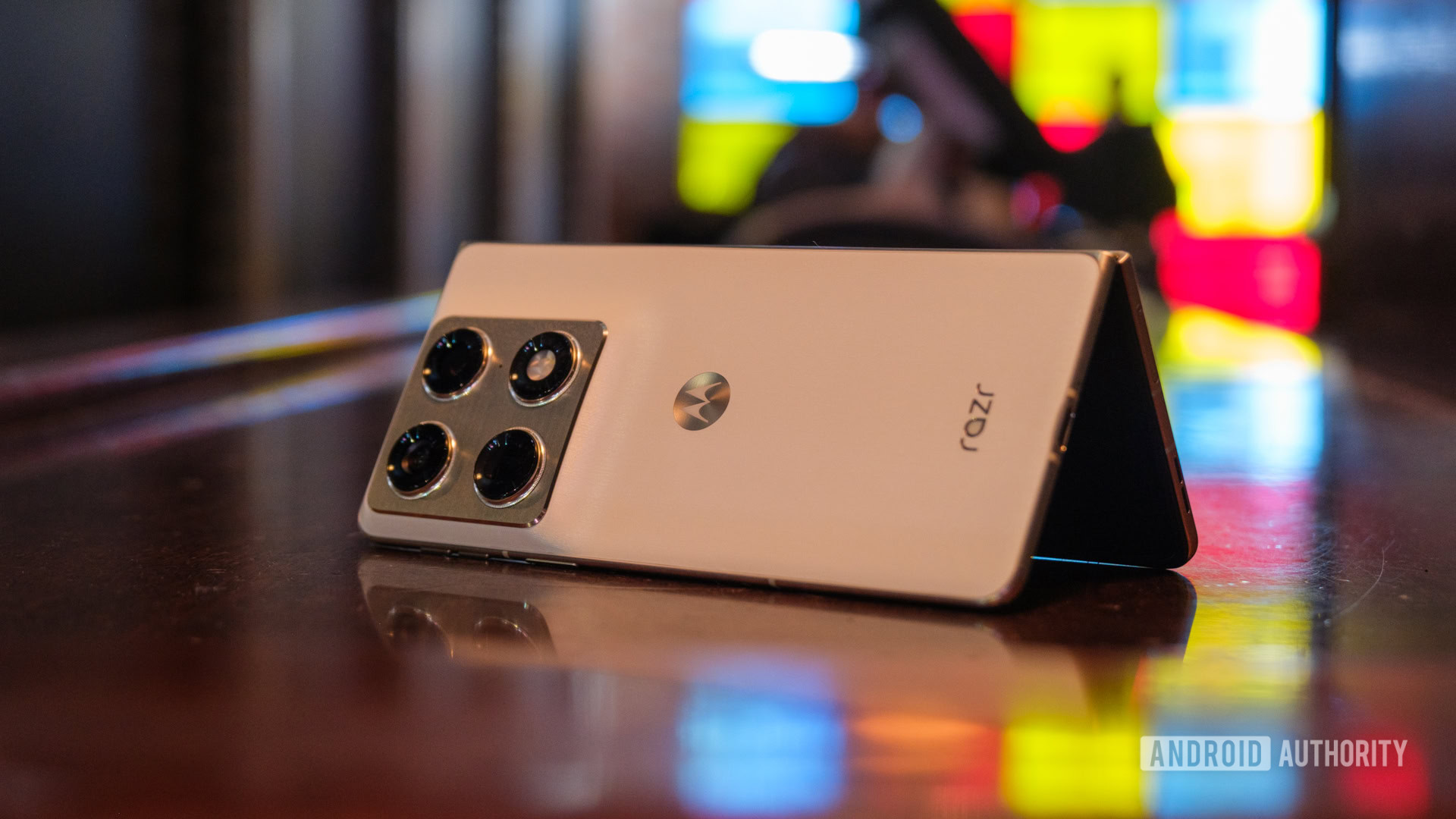
For years, the foldable smartphone market has largely been synonymous with one name: Samsung. The South Korean tech giant, with its pioneering Galaxy Z Fold series, has not only defined the category but also consistently pushed the boundaries of what a folding device can be. Yet, a recent sentiment from a seasoned tech journalist, pondering the choice between the Razr Fold and the Galaxy Z Fold 7, hints at a subtle but significant shift in the competitive landscape. While Samsung's advantages in raw power and software polish are undeniable, the allure of the Razr, with its distinct approach to the foldable form factor, is growing, suggesting that the 'obvious choice' might not be so obvious anymore. This evolving dynamic signals a maturing market where innovation isn't just about specs, but about user experience, design philosophy, and carving out a unique identity in a rapidly expanding niche.
The Genesis of the Foldable Dream: Samsung's Prowess
Samsung's journey into foldables began with ambitious, albeit sometimes rocky, steps. The original Galaxy Fold, launched in 2019, was a testament to technological daring, overcoming initial display issues to set a precedent. Subsequent iterations, from the Z Fold 2 to the anticipated Z Fold 7, have refined the concept, offering increasingly robust hinges, brighter displays, and more powerful internals. The Galaxy Z Fold series has consistently been positioned as the ultimate productivity device, a smartphone that unfolds into a tablet, offering a vast canvas for multitasking, gaming, and media consumption. Its high-end specifications, including top-tier processors, advanced camera systems, and a polished software experience tailored for the larger internal screen, have cemented its status as the benchmark. Users often praise its ability to seamlessly transition between phone and tablet modes, making it a powerful tool for professionals and enthusiasts alike. Samsung's extensive ecosystem, including integration with S Pen and other accessories, further enhances its appeal, creating a comprehensive mobile workstation in a pocketable form factor.
However, this dominance comes with a particular design philosophy: a tall, narrow outer display that opens up to a squarer, tablet-like inner screen. While functional, some users find the external screen's aspect ratio less ideal for quick, one-handed interactions. The device's thickness and weight, though improving with each generation, remain a consideration for those seeking ultimate portability. Despite these minor critiques, Samsung's continuous investment in R&D, its robust supply chain, and its aggressive marketing have ensured its leading position, making it the default choice for many early adopters and power users in the foldable space.
Motorola's Resurgence: A Different Fold Story
Motorola's entry into the modern foldable market took a different path, one steeped in nostalgia and a focus on form factor. The original Motorola Razr, a clamshell icon of the early 2000s, provided the blueprint for its contemporary foldable counterpart. Unlike Samsung's book-style fold, the Razr Fold (and its subsequent iterations) opts for a flip-phone design, where a standard-sized smartphone folds in half to become a compact, pocketable square. This approach prioritizes portability and a sense of style, appealing to users who value a smaller footprint when the device is closed, rather than a larger screen when open.
Early Razr models faced challenges, particularly concerning specifications and battery life, which often lagged behind their Samsung rivals. However, Motorola has been steadily refining its offering. Recent Razr iterations have shown significant improvements in display quality, hinge durability, and, crucially, a more competitive spec sheet. The focus remains on the external display – often larger and more functional than its Samsung flip counterpart – allowing for more interactions without needing to open the phone. This design choice speaks to a different user demographic: those who want the convenience of a compact device without sacrificing the full smartphone experience when unfolded, and who appreciate a sleeker, perhaps more fashionable, aesthetic. The Razr's clean software experience, often closer to stock Android, is another point of appeal for some users, offering a less cluttered interface compared to some heavily customized UIs.
The Intricacies of Choice: Razr Fold vs. Galaxy Z Fold 7
The journalist's dilemma highlights the core differences that now define the foldable market. The Galaxy Z Fold 7 (or its current iteration, the Z Fold 5) represents the pinnacle of a productivity-focused foldable. It's for the user who needs a powerful mini-tablet in their pocket, capable of running multiple apps simultaneously, handling demanding tasks, and providing an immersive media experience. Its strengths lie in its raw processing power, its versatile camera system, and the sheer utility of its large internal display. For those who view their smartphone as a primary computing device, the Z Fold's advantages are compelling.
Conversely, the Razr Fold (referring to the clamshell form factor, like the Razr+ or Razr 40 Ultra) appeals to a different sensibility. It's for the user who values discretion, portability, and a unique design statement. The ability to fold a full-sized smartphone into a small, unobtrusive square is a significant draw. While its internal screen might not be as vast as the Z Fold's, it offers a standard smartphone experience when unfolded. The external display, often larger and more interactive than its flip counterparts, allows for quick glances at notifications, controlling music, or even taking selfies without opening the device. This makes it a strong contender for those who prioritize a compact form factor and a stylish, less obtrusive device, perhaps even as a secondary device or for those who appreciate the nostalgia factor with modern tech.
The 'obvious choice' becomes less so when one considers these divergent priorities. It's no longer just about who has the fastest chip or the most megapixels; it's about which form factor best integrates into one's daily life and workflow. The Razr's growing intrigue suggests that Motorola is successfully carving out a niche by offering a compelling alternative that doesn't directly compete on Samsung's terms, but rather on its own unique value proposition.
The Future of Foldables: Beyond Raw Specs
The evolving competition between Samsung and Motorola, along with new entrants from Chinese manufacturers like Xiaomi and Huawei, signals a crucial phase for the foldable market. The initial novelty has worn off, and consumers are now looking for more refined, durable, and purpose-driven devices. This means that future innovations will likely extend beyond mere increases in processing power or screen size.
We can anticipate advancements in several key areas:
* Durability: Hinges will become even more robust, and display materials will be more scratch-resistant and crease-free. The perception of fragility, a major hurdle for early adoption, will continue to diminish. * Software Optimization: Operating systems will become even more adept at handling the unique aspects of foldable displays, offering more intuitive multitasking, adaptive UIs, and seamless app transitions. * Battery Life: As components become more efficient, and battery technology improves, foldable devices will offer better endurance, addressing a common concern. * Price Accessibility: While still premium, prices are expected to gradually decrease as manufacturing processes mature and competition intensifies, making foldables more accessible to a broader audience. * Form Factor Innovation: Beyond the book-style and clamshell designs, we might see new folding paradigms, perhaps rollable screens or devices with multiple folds, offering even greater versatility.
The growing intrigue around devices like the Razr Fold indicates that the market is ready for diversity. It's not just about who can build the most powerful device, but who can build the most compelling device for specific user needs and preferences. This competition is healthy, driving innovation and ultimately benefiting consumers with more choices and better products.
Conclusion: A Maturing Market and Diverse Choices
The journey of foldable smartphones has been a fascinating one, from ambitious prototypes to increasingly refined consumer products. Samsung's Galaxy Z Fold series has undeniably led the charge, setting high standards for performance and productivity. However, the rising appeal of devices like the Motorola Razr Fold signifies a maturing market where user experience, design aesthetics, and specific form factor advantages are gaining significant traction. The 'obvious choice' is now being challenged by a nuanced understanding of diverse consumer needs.
For the discerning consumer, this means a richer landscape of options. Whether one prioritizes the expansive canvas of a tablet-phone hybrid or the elegant compactness of a modern flip phone, the foldable market is evolving to cater to a wider spectrum of preferences. As manufacturers continue to innovate, focusing on durability, software optimization, and unique design philosophies, the future of foldables promises not just technological marvels, but devices that truly integrate into and enhance our digital lives in increasingly personalized ways. The competition is no longer a one-sided affair; it's a vibrant, multi-faceted race to define the next era of mobile computing, and the consumer stands to be the ultimate winner.
Stay Informed
Get the world's most important stories delivered to your inbox.
No spam, unsubscribe anytime.
Comments
No comments yet. Be the first to share your thoughts!