Friendster's Resurgence: A Nostalgic Return to Social Media's Roots, Free from Algorithms and Ads
The pioneering social media platform Friendster, a relic of the early 2000s, has made a surprising comeback, launching a new iOS app that promises a stark departure from contemporary social networking. Eschewing algorithms, ads, and data-driven engagement, the revamped Friendster aims to prioritize genuine connection and user privacy. This unexpected revival raises questions about the future of social media and whether a simpler, more authentic online experience can thrive in today's complex digital landscape.
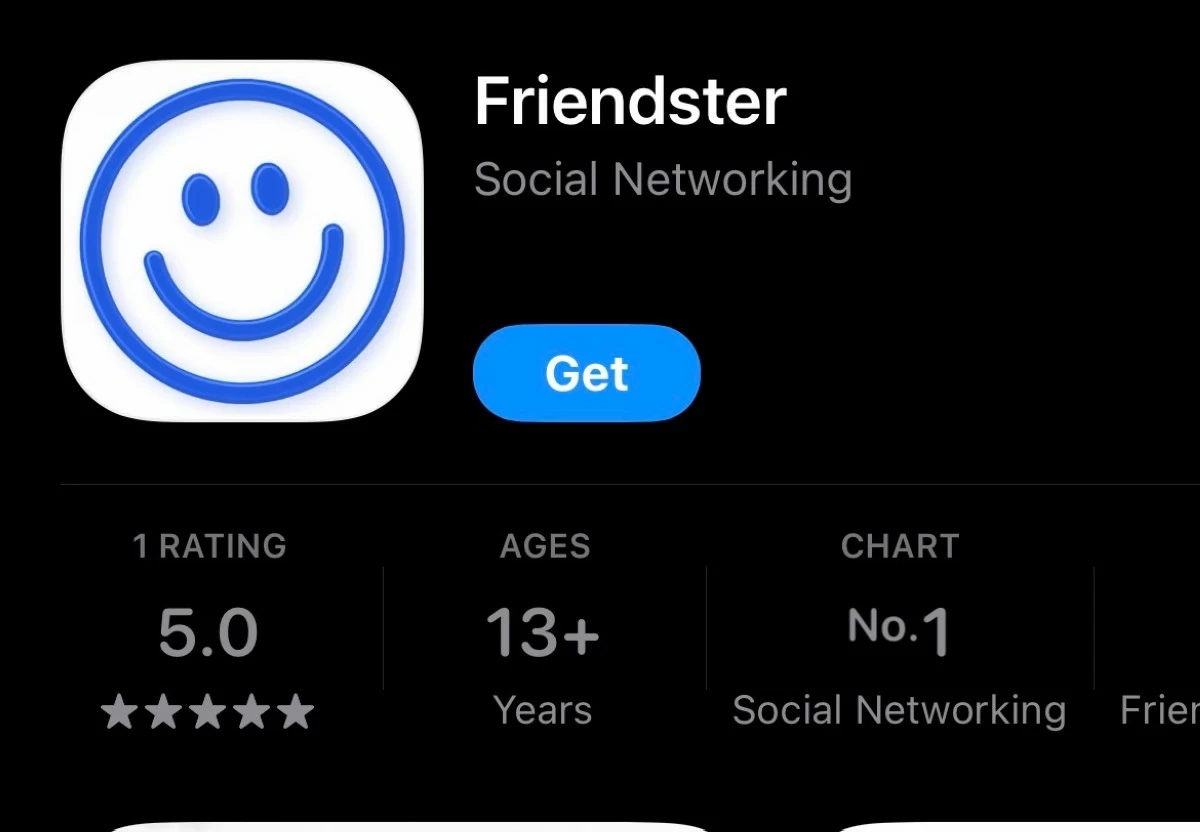
In an era dominated by algorithmic feeds, pervasive advertising, and constant data harvesting, a ghost from social media's past has re-emerged, offering a radical alternative. Friendster, the pioneering social networking site that predated Facebook and MySpace, has made a surprising return, launching a new iOS application that promises a return to the platform's original ethos: genuine connection without the digital baggage. This unexpected comeback isn't just a nostalgic trip; it's a bold statement against the current state of social media, aiming to carve out a niche for users yearning for a simpler, more private online experience.
For those who remember the early 2000s, Friendster was a cultural touchstone. Launched in 2002, it quickly amassed millions of users, becoming one of the first platforms to popularize the concept of online social networking. Users created profiles, connected with friends, shared interests, and explored their social graphs. It was a digital playground before the term 'social media' became ubiquitous, a place where the focus was on organic interaction rather than curated content or viral trends. Its eventual decline, often attributed to technical issues, a clunky user interface, and the rise of more agile competitors like MySpace and Facebook, left a void that was soon filled by platforms that would fundamentally reshape our digital lives. Now, over a decade after its original shutdown, Friendster is back, not as a carbon copy of its former self, but as a reimagined entity built on principles that directly challenge the status quo.
The Anti-Social Media Blueprint: No Algorithms, No Ads, Pure Privacy
The most striking aspect of the new Friendster app is its unwavering commitment to what it doesn't offer. In a world where every click, like, and share is meticulously tracked and monetized, the platform explicitly states: no algorithms, no ads, and a deep focus on privacy. This isn't just a marketing slogan; it's the core philosophy driving its revival. Users will find their feeds populated chronologically by posts from their actual friends, devoid of the manipulative influence of recommendation engines designed to maximize engagement at all costs. This approach stands in stark contrast to giants like Meta (Facebook, Instagram) and TikTok, whose business models are predicated on sophisticated algorithms that personalize content, often leading to echo chambers, misinformation, and addictive scrolling behaviors. By removing these elements, Friendster aims to foster a more authentic and less manipulated online environment.
Furthermore, the absence of advertising is a significant differentiator. Modern social media platforms are largely free to users because they monetize through targeted advertising, selling user data and attention to brands. Friendster's decision to forgo this revenue stream suggests an alternative business model, possibly a subscription-based service or a limited, ethical monetization strategy yet to be fully revealed. The emphasis on user privacy is also paramount, with a stated goal of protecting personal data and ensuring that user information is not exploited for commercial gain. This resonates deeply with a growing segment of internet users who are increasingly wary of how their digital footprints are being used by tech companies.
A Niche for Authenticity: Can Simplicity Prevail?
Friendster's return taps into a palpable sense of digital fatigue prevalent among many internet users. The constant pressure to perform, the endless scroll of curated perfection, and the relentless noise of modern social media have left many feeling overwhelmed and disconnected. The idea of a platform that prioritizes genuine connection, where users can simply share updates with their friends without the pressure of going viral or being constantly bombarded by ads, holds significant appeal. It offers a refuge from the performative aspects of platforms like Instagram and the political polarization often seen on X (formerly Twitter).
However, the path to widespread adoption for a platform like the new Friendster is fraught with challenges. The current social media landscape is fiercely competitive, dominated by entrenched giants with billions of users and vast resources. Friendster's initial launch on iOS only limits its immediate reach, and scaling up to compete with cross-platform behemoths will require significant investment and strategic planning. Moreover, the very features that make it appealing – its simplicity and lack of algorithmic engagement – could also be perceived as a drawback by users accustomed to the highly personalized and dynamic feeds of mainstream platforms. The question remains: can a platform built on nostalgia and ethical principles truly capture a significant market share in an industry driven by scale and engagement metrics?
Expert Analysis: The Implications for Social Media's Future
Industry analysts are watching Friendster's resurgence with keen interest. Dr. Evelyn Reed, a prominent sociologist specializing in digital culture, notes, “Friendster’s comeback isn't just about nostalgia; it’s a litmus test for the future of social media. It represents a growing desire among users for platforms that respect their privacy and prioritize genuine human connection over profit. If Friendster can demonstrate a viable model, it could inspire a new wave of 'ethical social media' platforms.” This sentiment is echoed by tech ethicists who have long advocated for alternatives to the attention-economy model.
However, others are more cautious. Mark Jenkins, a venture capitalist with expertise in tech startups, points out, “While the sentiment is strong, the practicalities are immense. Building and maintaining a social network without advertising revenue requires a very different financial strategy. It needs a compelling value proposition that users are willing to pay for, either directly or indirectly, without compromising its core principles. The challenge will be to grow a community large enough to be sustainable, without succumbing to the very pressures it seeks to avoid.” The success of Friendster will depend not only on attracting users but also on retaining them and demonstrating a sustainable business model that doesn't compromise its foundational values.
A Glimmer of Hope for a Different Digital Future?
Friendster's return is more than just a blast from the past; it's a provocative experiment in what social media could be. In an age where digital well-being and data privacy are increasingly critical concerns, the platform offers a refreshing counter-narrative. It reminds us that social media doesn't have to be a relentless pursuit of engagement, a battleground for attention, or a sophisticated data-mining operation. It can, perhaps, return to its roots as a simple tool for connecting people.
While its long-term success is far from guaranteed, Friendster's bold move serves as an important reminder that alternatives are possible. It challenges the prevailing paradigms and opens up a conversation about what users truly want from their online interactions. Whether it becomes a niche community for the privacy-conscious or sparks a broader movement towards more ethical social networking, Friendster's second act is undoubtedly one of the most intriguing developments in the tech world this year. Its journey will be a crucial indicator of whether genuine connection and user well-being can truly triumph over the allure of algorithms and advertising in the digital age.
Stay Informed
Get the world's most important stories delivered to your inbox.
No spam, unsubscribe anytime.
Comments
No comments yet. Be the first to share your thoughts!