Steam Deck's Uphill Battle: Valve Navigates Global Supply Chaos to Meet Demand
Valve is striving to restock its popular Steam Deck handheld gaming PC, but faces significant hurdles. Persistent RAM shortages and widespread shipping disruptions are creating major bottlenecks. Despite these challenges, Valve is actively diversifying its supply chain to mitigate risks and accelerate production, aiming to get more devices into gamers' hands soon.
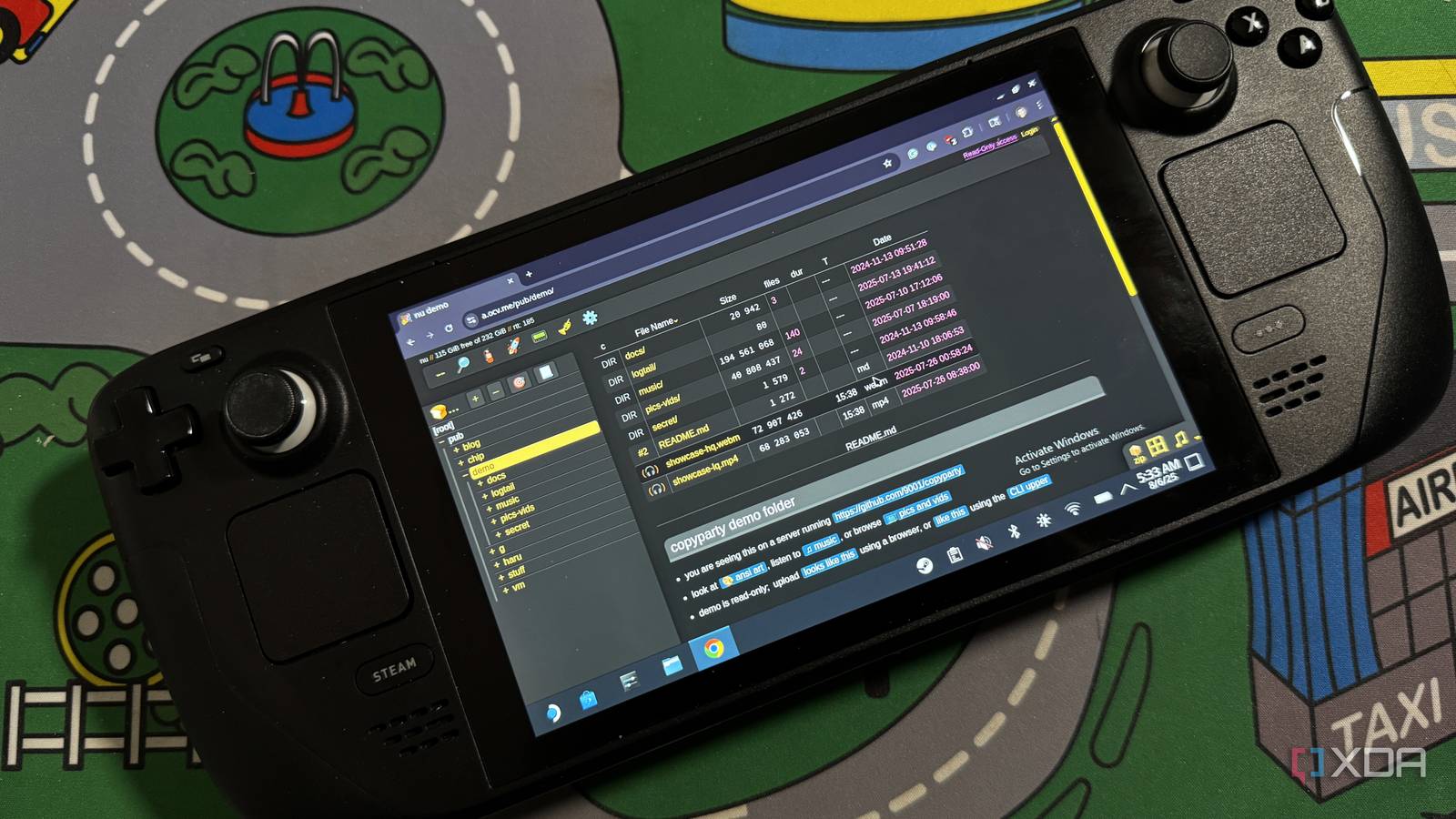
In the highly competitive and often unpredictable world of consumer electronics, even the most innovative products can find their journey to market fraught with peril. Such is the current saga of the Steam Deck, Valve's ambitious foray into handheld PC gaming. Hailed as a game-changer upon its announcement, the device has captivated the gaming community, promising a full PC gaming experience on the go. Yet, for many eager consumers, the Steam Deck remains an elusive prize, caught in the relentless currents of global supply chain chaos.
Since its initial launch, the Steam Deck has been plagued by availability issues, a frustrating reality for both Valve and its burgeoning fanbase. The company's desire to get these powerful portable machines into the hands of gamers is palpable, but the intricate web of modern manufacturing and logistics presents formidable obstacles. This isn't merely a matter of ramping up production; it's a complex battle against forces that have reshaped global commerce over the past few years.
The Lingering Shadow of Supply Chain Disruptions
The primary antagonists in Valve's quest for widespread Steam Deck availability are familiar foes: RAM shortages and shipping disruptions. The semiconductor industry, the lifeblood of all modern electronics, has been under immense strain since the onset of the COVID-19 pandemic. Factories faced shutdowns, demand surged for personal electronics as remote work and entertainment became paramount, and existing supply lines buckled under the pressure. While some sectors have seen a gradual recovery, the memory market, particularly for the specialized RAM used in devices like the Steam Deck, continues to be a bottleneck.
Memory chips, or RAM (Random Access Memory), are crucial components that allow a device to perform multiple tasks quickly. The Steam Deck, being a powerful portable PC, requires high-performance, efficient RAM, often sourced from a limited number of specialized manufacturers. A shortage in this specific type of memory can halt production lines, regardless of how many other components are readily available. This creates a domino effect, where a single missing part can prevent the assembly of thousands of units.
Compounding the RAM issue are the ongoing global shipping woes. Ports around the world continue to experience congestion, labor shortages, and unpredictable delays. The cost of container shipping has skyrocketed, and lead times have extended dramatically. For a product like the Steam Deck, manufactured in one region and destined for global distribution, these logistical nightmares translate directly into delayed deliveries and increased costs. Even if Valve manages to produce a batch of devices, getting them from the factory floor to regional distribution centers, and then into consumers' hands, is a monumental task.
Valve's Strategic Countermeasures: Diversification and Resilience
Recognizing the inherent vulnerabilities of relying on a single source for critical components or shipping routes, Valve has proactively adopted a strategy of supply chain diversification. This involves identifying and qualifying multiple suppliers for key components, including RAM, and exploring alternative shipping methods and partners. The goal is to build redundancy and resilience into their operations, minimizing the impact of disruptions affecting any single vendor or route.
This strategy, while sound in principle, is not without its challenges. Qualifying new suppliers is a rigorous and time-consuming process, requiring extensive testing to ensure quality, reliability, and compatibility. It also often involves negotiating new contracts and integrating new partners into existing manufacturing workflows. Furthermore, simply finding alternative suppliers for highly specialized components like custom-designed RAM can be difficult, as the market is often dominated by a few key players.
Valve's commitment to this approach underscores a broader industry trend. Companies across various sectors are moving away from the lean, just-in-time manufacturing models that prioritized cost efficiency above all else. The pandemic exposed the fragility of these systems, pushing businesses towards more robust, albeit potentially more expensive, supply chain designs that prioritize resilience and continuity. For Valve, this means investing in relationships and infrastructure that can withstand future shocks, ensuring a more stable supply of Steam Decks in the long run.
The Broader Impact on the Gaming Ecosystem and Consumer Expectations
The Steam Deck's supply struggles are more than just a headache for Valve; they have broader implications for the gaming industry and consumer expectations. The device represents a significant step forward in portable gaming, bridging the gap between traditional handheld consoles and full-fledged gaming PCs. Its limited availability means that many developers are still waiting for a wider user base to emerge, potentially slowing the optimization of their games for the platform. Furthermore, the scarcity can fuel secondary markets where scalpers inflate prices, frustrating genuine enthusiasts.
From a consumer perspective, the prolonged wait tests patience and can lead to frustration. While Valve has been relatively transparent about the challenges, the desire for immediate gratification in the tech world is strong. The situation highlights the delicate balance between generating hype for an innovative product and being able to deliver it at scale. Companies must manage expectations carefully, communicating realistic timelines and offering clear updates to maintain consumer trust.
Looking ahead, the lessons learned from the Steam Deck's production challenges will undoubtedly influence future hardware releases from Valve and other companies. The emphasis on robust supply chains, diversified sourcing, and transparent communication will become even more critical. The success of the Steam Deck, once it achieves consistent availability, could pave the way for a new era of portable PC gaming, but its journey serves as a stark reminder of the complexities inherent in bringing cutting-edge technology to a global market.
A Glimmer of Hope: What Lies Ahead for Steam Deck Enthusiasts
Despite the formidable obstacles, there is a palpable sense of determination from Valve to overcome these issues. The company has repeatedly affirmed its commitment to getting Steam Decks into the hands of as many gamers as possible, as soon as realistically possible. The ongoing efforts to diversify suppliers and streamline logistics are long-term investments that, while not yielding immediate results, are crucial for future stability.
Industry analysts suggest that while the immediate future might still see some fluctuations in availability, the situation is gradually improving. As global supply chains slowly untangle and Valve's diversified sourcing strategies begin to bear fruit, consumers can expect more consistent restocks. The holiday season, traditionally a peak period for electronics sales, will be a critical test of Valve's progress. Success in meeting demand during this period would signal a significant turning point.
Ultimately, the Steam Deck's story is a microcosm of the broader challenges facing the global technology sector. It's a testament to innovation meeting the harsh realities of manufacturing and distribution in a post-pandemic world. For gamers, the wait continues, but with each passing month, Valve inches closer to fulfilling its promise of a truly portable PC gaming revolution. The future of handheld PC gaming looks bright, provided the supply chain can keep up with the ambition.
Stay Informed
Get the world's most important stories delivered to your inbox.
No spam, unsubscribe anytime.
Comments
No comments yet. Be the first to share your thoughts!