From Ubiquitous Icon to Electric Pioneer: Nissan Micra's Bold Reinvention
The Nissan Micra, a vehicle synonymous with first cars and driving lessons for generations, is undergoing a radical transformation. Once a symbol of affordable, practical motoring, it's now set to re-emerge as an all-electric city car. This reinvention marks a significant shift for Nissan and the automotive industry, reflecting a global pivot towards sustainable urban mobility. The new Micra aims to blend its heritage of accessibility with cutting-edge EV technology, promising a future where practicality meets zero-emission driving.
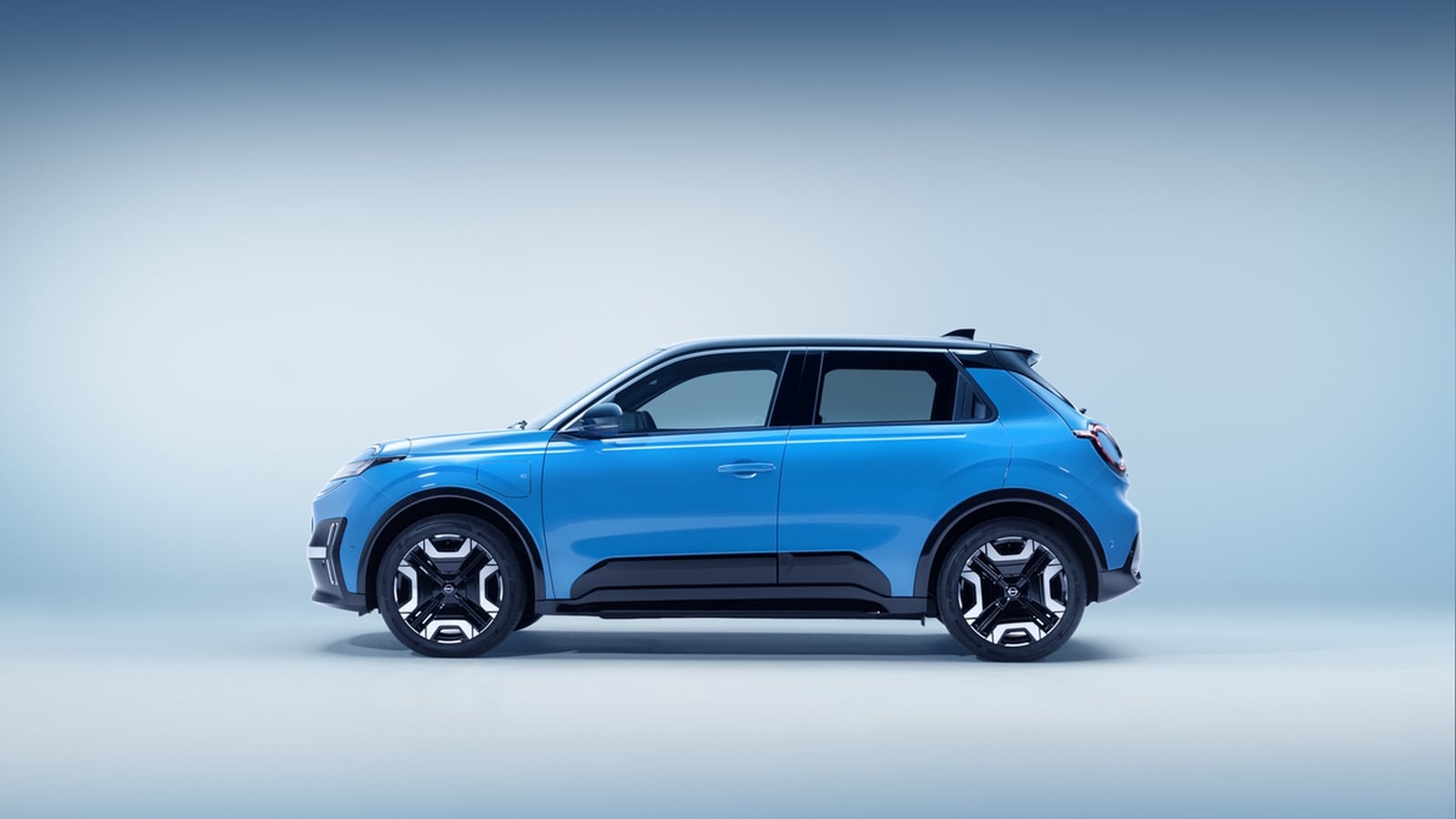
For decades, the Nissan Micra held a unique, almost nostalgic place in the hearts of motorists across Europe, particularly in Ireland. It was the car many learned to drive in, the reliable workhorse for first-time buyers, and the practical choice for urban commuters. Its ubiquity wasn't accidental; the Micra carved out its niche through a winning combination of ease of driving, affordability, and unpretentious practicality. Now, this beloved automotive icon is poised for a dramatic re-entry onto the world stage, shedding its petrol-powered past to embrace a fully electric future. This isn't merely an update; it's a radical reinvention that speaks volumes about the accelerating pace of the global energy transition and Nissan's strategic vision for sustainable mobility.
A Legacy of Accessibility and Pragmatism
The Micra's journey began in 1982, initially designed as a compact, economical car to navigate the bustling streets of Japan and Europe. Over its five generations, it consistently delivered on its promise: a no-frills, dependable vehicle that was easy to maneuver and light on the wallet. Its compact dimensions made it ideal for urban environments, while its straightforward mechanics appealed to those seeking reliability without complexity. In many markets, particularly Ireland and the UK, the Micra became a cultural touchstone, a rite of passage for young drivers. Driving school instructors swore by its forgiving nature, and countless individuals have fond memories of their first tentative miles behind the wheel of a Micra. This deep-seated association with accessibility and practicality is a powerful brand asset that Nissan is clearly keen to leverage in its next iteration.
However, the automotive landscape has shifted dramatically. Stricter emissions regulations, rising fuel costs, and a growing environmental consciousness have pushed internal combustion engine (ICE) vehicles to the periphery, especially in the city car segment. The Micra, in its traditional form, faced an existential crisis. Its future, if it were to have one, had to be electric. This strategic pivot aligns with Nissan's broader commitment to electrification, exemplified by its pioneering role with the Nissan Leaf, one of the world's best-selling electric vehicles.
The Electric Revolution: A New Chapter for Micra
The decision to transform the Micra into an all-electric city car is a bold statement. It signifies Nissan's belief that the core values of the Micra – compactness, efficiency, and urban suitability – are not only compatible with electric propulsion but are, in fact, enhanced by it. The new electric Micra is expected to be built on the CMF B-EV platform, a dedicated electric vehicle architecture developed by the Renault-Nissan-Mitsubishi Alliance. This platform promises to deliver significant advantages:
* Optimized packaging: Allowing for greater interior space despite compact exterior dimensions, a hallmark of the Micra. * Improved range: Leveraging advanced battery technology to offer competitive range figures suitable for urban and suburban commuting. * Enhanced performance: Electric powertrains offer instant torque, making for zippier acceleration and a more engaging driving experience, particularly in city traffic. * Lower running costs: Reduced fuel expenses and potentially lower maintenance due to fewer moving parts.
While specific details on the new Micra's design and specifications are still emerging, early indications suggest a vehicle that retains the essence of its predecessors – a friendly, approachable aesthetic – but with a distinctly modern, futuristic edge. The challenge for Nissan will be to maintain the Micra's reputation for affordability in the often-pricier EV market, ensuring it remains accessible to the demographic that historically embraced it.
Implications for Urban Mobility and the EV Market
The re-introduction of the Micra as an EV has significant implications beyond Nissan's balance sheet. It underscores a broader trend in the automotive industry: the electrification of entry-level and city car segments. As battery technology improves and costs decrease, electric vehicles are becoming increasingly viable for a wider range of consumers. The Micra's electric rebirth could accelerate this trend, particularly in European markets where urban driving and compact cars are prevalent.
* Increased EV Adoption: A familiar nameplate going electric can help demystify EVs for a segment of the population that might be hesitant to adopt new technology. The Micra's legacy of reliability could translate into trust for its electric counterpart. * Competition in the Compact EV Segment: The new Micra will join a growing cohort of compact electric cars, including models from Stellantis (e.g., Peugeot e-208, Opel Corsa-e) and potentially Volkswagen Group's upcoming entry-level EVs. This competition is healthy for consumers, driving innovation and potentially lowering prices. * Sustainable Urban Development: City cars are crucial for reducing congestion and improving air quality in urban centers. An affordable, practical electric Micra could play a significant role in fostering more sustainable urban environments, aligning with global efforts to combat climate change.
Furthermore, the Micra's reinvention highlights the strategic importance of platform sharing within large automotive alliances. By utilizing the CMF B-EV platform, Nissan can achieve economies of scale, reducing development costs and accelerating time to market – critical factors in the fast-evolving EV landscape. This collaborative approach allows brands to share the financial burden of developing expensive EV technology while retaining their distinct brand identities.
The Road Ahead: Balancing Heritage and Innovation
Nissan faces the delicate task of balancing the Micra's rich heritage with the demands of modern electric vehicle technology. The new Micra must not only be a competent EV but also embody the spirit of its predecessors: simple, reliable, and accessible. It needs to appeal to a new generation of drivers who prioritize sustainability and technology, while also resonating with those who remember the original with fondness.
The success of the electric Micra will hinge on several factors:
* Competitive Pricing: Can Nissan offer an attractive price point that makes it a true competitor in the entry-level EV market? * Adequate Range: Will its battery range be sufficient for typical urban and suburban usage, alleviating range anxiety? * Charging Infrastructure: While not directly a vehicle feature, the availability of robust charging infrastructure will be key to its widespread adoption. * Design and Technology: Will it offer a compelling blend of modern aesthetics, practical features, and intuitive technology?
As the automotive world hurtles towards an electric future, the Nissan Micra's transformation is more than just a product launch; it's a symbol of adaptation, resilience, and the enduring appeal of a car that has always been about getting people from A to B, simply and efficiently. Its electric rebirth promises to extend that legacy into a new, cleaner era of mobility, ensuring that the Micra continues to be a familiar sight on our roads, albeit with a silent, zero-emission hum.
Stay Informed
Get the world's most important stories delivered to your inbox.
No spam, unsubscribe anytime.
Comments
No comments yet. Be the first to share your thoughts!