Hezbollah's Ceasefire Breach: A Dangerous Escalation in the Israel-Lebanon Conflict
Hezbollah shattered a fragile ceasefire by launching rockets at Israeli troops and a drone into Israeli airspace, prompting immediate IDF retaliation. This incident marks a significant escalation, threatening to unravel diplomatic efforts and reignite broader regional conflict. Analysts warn of the precarious balance in the Middle East, with implications for international stability.
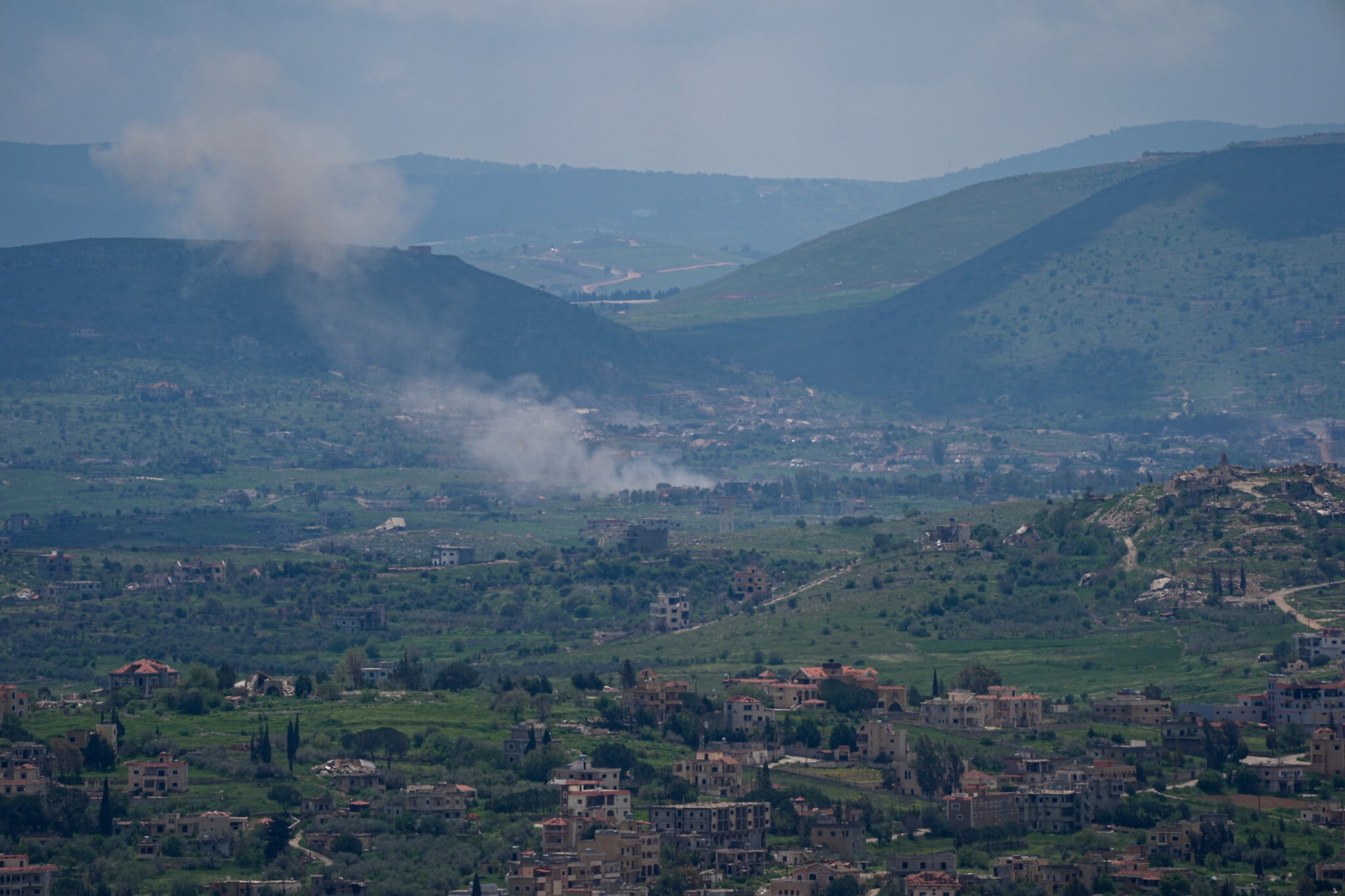
The fragile calm along the Israel-Lebanon border shattered abruptly on Tuesday, as the Iran-backed Hezbollah terror group launched a volley of rockets at Israeli troops and dispatched a drone into Israeli airspace. This audacious act, swiftly claimed by Hezbollah as a response to alleged Israeli violations, immediately drew retaliatory strikes from the Israel Defense Forces (IDF), plunging the volatile region back into a dangerous cycle of escalation. The incident serves as a stark reminder of the ever-present tinderbox that is the Middle East, where a single spark can ignite widespread conflagration.
The Anatomy of a Breach: What Happened?
According to the IDF, Hezbollah’s actions constituted a clear and unequivocal breach of the standing ceasefire. The military reported that several rockets were fired from Lebanese territory, targeting Israeli troops positioned in the country's southern sector. Simultaneously, a drone was detected and intercepted after crossing into Israeli airspace. Hezbollah, through its media channels, swiftly took responsibility for the attacks, framing them as a direct response to what it termed Israeli violations of the ceasefire. The group’s statement underscored its readiness to engage, stating, “The Islamic Resistance attacked a number of Israeli positions… in response to the Israeli enemy’s repeated attacks… and its repeated violations of Lebanese sovereignty.”
The IDF’s response was immediate and decisive. Military sources confirmed that Israeli forces targeted the launcher responsible for the rocket fire, alongside other Hezbollah infrastructure within southern Lebanon. This tit-for-tat exchange, while contained in its initial phase, carries the inherent risk of spiraling out of control, particularly given the historical animosity and recent heightened tensions in the broader region. The precision of Hezbollah’s strikes and the speed of their claim of responsibility suggest a calculated move, rather than an accidental transgression, raising questions about the group’s strategic intentions.
Historical Context: A Volatile Border
The Israel-Lebanon border has historically been one of the Middle East’s most volatile flashpoints. Since the 2006 Second Lebanon War, a UN-brokered ceasefire has largely held, albeit punctuated by sporadic skirmishes and heightened rhetoric. Hezbollah, a powerful Shiite political party and militant group, effectively operates as a state within a state in southern Lebanon, heavily armed and funded by Iran. Its arsenal, estimated to include tens of thousands of rockets and missiles, poses a significant threat to Israeli population centers.
The group’s raison d'être is rooted in resistance against Israel, and its actions are often intertwined with broader regional dynamics, particularly the ongoing conflict in Gaza and Iran’s strategic objectives. The current breach cannot be viewed in isolation; it occurs against a backdrop of intense regional instability, including the Israel-Hamas war, which has already drawn in other actors like the Houthis in Yemen and various Iran-backed militias in Iraq and Syria. This interconnectedness means that an escalation on the Lebanese front could quickly morph into a multi-front regional conflict, a scenario that international diplomats have desperately sought to avoid.
Key historical incidents contributing to the current tension include: * 2006 Second Lebanon War: A 34-day conflict triggered by Hezbollah’s cross-border raid, resulting in significant casualties and infrastructure damage on both sides. * Ongoing border incidents: Regular, albeit usually minor, exchanges of fire, surveillance activities, and territorial disputes. * Iranian influence: Tehran’s consistent support for Hezbollah, providing funding, training, and advanced weaponry, enabling the group to maintain its military capabilities and political leverage.
Expert Analysis and Regional Implications
Security analysts are closely scrutinizing Hezbollah’s motives. Some suggest the attack was a symbolic gesture, aimed at demonstrating solidarity with Hamas and other Palestinian factions, and asserting Hezbollah’s continued relevance as a key player in the 'Axis of Resistance'. Others believe it could be a calibrated test of Israel’s resolve and readiness, or even a deliberate attempt to draw Israel into a wider conflict, thereby diverting resources from the Gaza front.
“This isn’t just a random act of aggression; it’s a carefully orchestrated message,” explains Dr. Lena Hadad, a senior fellow at the Institute for Middle East Studies. “Hezbollah is signaling that it remains a potent force, capable of striking Israel, and that it will not stand idly by if it perceives its allies or its own red lines are crossed. The timing, amidst the Gaza conflict, is particularly concerning as it raises the specter of a northern front opening up in earnest.”
The immediate implications are severe. For Israel, it means a heightened state of alert along its northern border, potentially requiring the redeployment of forces. For Lebanon, it risks further destabilization of an already struggling nation, potentially drawing it into a conflict it can ill afford. The international community, particularly the United Nations Interim Force in Lebanon (UNIFIL), faces immense pressure to de-escalate the situation and reinforce the ceasefire mechanisms. The incident also puts a spotlight on Iran’s role, as its proxies continue to challenge regional stability.
The Path Forward: Diplomacy or Escalation?
The immediate aftermath of such an incident is always a period of intense diplomatic activity and military posturing. The international community has consistently called for restraint from all parties, recognizing the catastrophic potential of a full-scale war between Israel and Hezbollah. However, the efficacy of diplomatic appeals often hinges on the willingness of the belligerents to de-escalate.
For now, the situation remains tense but contained. The IDF has indicated its readiness to respond to any further provocations, while Hezbollah has issued statements affirming its right to respond to perceived Israeli aggression. The delicate balance of deterrence is once again being tested. The coming days will be crucial in determining whether this breach remains an isolated, albeit serious, incident, or if it marks the beginning of a more protracted and dangerous phase in the perennial conflict along the Israel-Lebanon border. The world watches with bated breath, hoping that reason and diplomacy will prevail over the siren call of escalation, preventing another devastating war in a region already scarred by conflict.
Key challenges for de-escalation include: * Hezbollah’s strategic ambiguity: Its dual role as a political party and militant group complicates negotiations. * Regional proxy dynamics: The influence of Iran and other external actors on Hezbollah’s decision-making. * Domestic pressures: Both Israeli and Lebanese leadership face internal demands for strong responses. * Erosion of trust: Repeated violations undermine existing ceasefire agreements and diplomatic efforts.
Stay Informed
Get the world's most important stories delivered to your inbox.
No spam, unsubscribe anytime.
Comments
No comments yet. Be the first to share your thoughts!