Hormuz High Stakes: US Envoys Seek Indirect Iran Talks Amid Oil Crisis
US envoys Jared Kushner and Steve Witkoff are in Islamabad, attempting to broker indirect talks with Iran to de-escalate the Strait of Hormuz conflict. Tehran's refusal of direct engagement complicates efforts, yet the White House remains optimistic for a resolution. The ongoing blockade has kept global oil prices 50% above pre-war levels, highlighting the urgent economic stakes of these delicate negotiations.
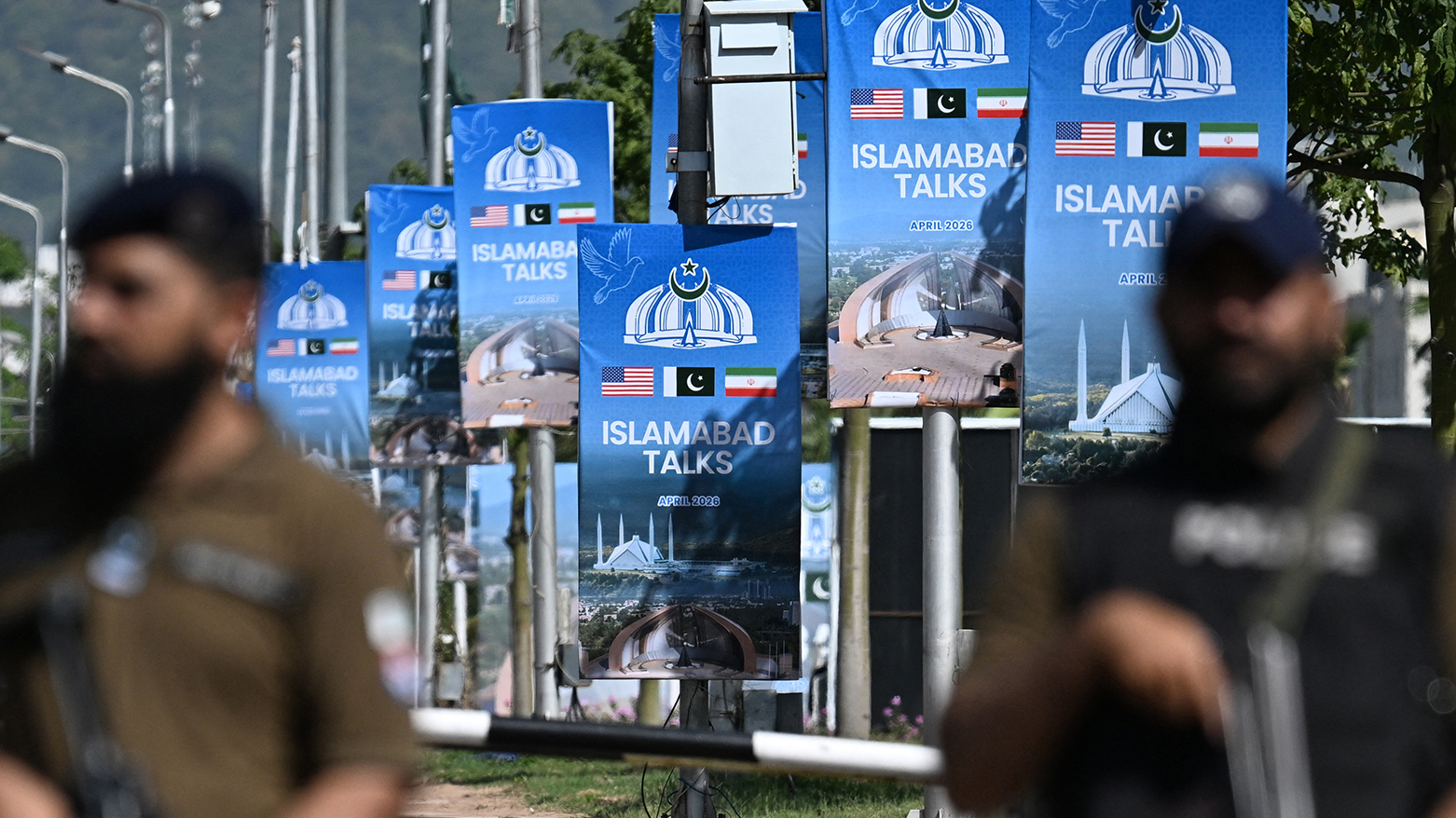
The diplomatic chessboard has shifted to Islamabad, where two high-profile American envoys, Jared Kushner and Steve Witkoff, have arrived with a singular, pressing mission: to coax Iran into de-escalating the simmering conflict in the Strait of Hormuz and end its disruptive blockade. This latest diplomatic push, unfolding against a backdrop of a fragile ceasefire and soaring global oil prices, underscores the international community's desperate need for stability in one of the world's most critical maritime chokepoints. While the White House projects an air of cautious optimism, Tehran's steadfast refusal to engage in direct, face-to-face negotiations casts a long shadow over the proceedings, transforming what could be a straightforward dialogue into a complex dance of indirect diplomacy.
The stakes could not be higher. The Strait of Hormuz, a narrow waterway connecting the Persian Gulf to the open ocean, is the conduit for roughly one-fifth of the world's total oil consumption. Its disruption has sent shockwaves through global energy markets, with crude oil prices stubbornly remaining 50% above their pre-conflict levels. This economic pressure, felt from gas pumps in Los Angeles to manufacturing hubs in Shanghai, provides a powerful impetus for a swift resolution, yet the deep-seated mistrust and geopolitical rivalries between Washington and Tehran make any progress agonizingly slow and fraught with peril.
The Genesis of a Standoff: A Decade of Tensions
To understand the current impasse, one must look back at a fraught history marked by escalating sanctions, proxy conflicts, and a fundamental divergence in regional ambitions. The current phase of heightened tension can be traced to the US withdrawal from the Joint Comprehensive Plan of Action (JCPOA), commonly known as the Iran nuclear deal, in 2018. This move, spearheaded by the Trump administration, reinstated crippling sanctions on Iran, severely impacting its oil exports and economy. Tehran, in response, began to incrementally roll back its commitments under the nuclear deal and, crucially, increased its assertive posture in the Persian Gulf. This included harassment of international shipping, seizures of oil tankers, and, ultimately, the partial blockade of the Strait of Hormuz, which it views as a retaliatory measure against economic warfare.
Historically, the Strait has been a flashpoint. During the Iran-Iraq War in the 1980s, it witnessed the infamous “Tanker War,” where both sides attacked commercial shipping. More recently, incidents involving drone attacks, limpet mines, and naval confrontations have become alarmingly frequent. Iran's strategic doctrine often leverages its geographical control over the Strait as a powerful deterrent and a bargaining chip against external pressures. For the United States and its allies, ensuring freedom of navigation through this vital artery is a cornerstone of global economic stability and national security.
The Indirect Dance: Diplomacy Through Proxies
The current round of talks in Islamabad exemplifies the complex nature of US-Iran relations. Tehran's insistence on indirect engagement means that Pakistani officials, and potentially other intermediaries, are tasked with shuttling messages and proposals between the American envoys and Iranian representatives. This format, while frustrating for those hoping for a swift breakthrough, is not without precedent in high-stakes diplomacy where direct communication is politically unpalatable for one or both sides.
* Challenges of Indirect Diplomacy: Misinterpretation, delays, and the potential for intermediaries to inject their own agendas are inherent risks. Building trust is significantly harder without direct dialogue. * Why Iran Prefers Indirectness: It allows Tehran to maintain a strong public stance against direct engagement with the 'Great Satan' (the US) while still exploring diplomatic avenues. It also provides a degree of deniability and control over the narrative. * US Motivation: Despite the difficulties, the US is compelled to pursue any viable path to de-escalation, given the economic fallout and the risk of broader conflict. The presence of high-level envoys like Kushner and Witkoff signals the administration's commitment to finding a solution, even if unconventional.
Pakistan, a long-standing regional player with complex ties to both the US and Iran, is strategically positioned to host such talks. Its role as a facilitator, rather than a mediator, is crucial, as it provides a neutral ground where sensitive discussions can occur away from the intense scrutiny of international media and domestic political pressures.
Economic Fallout and Global Repercussions
The most tangible and immediate impact of the Hormuz blockade is on the global energy market. The 50% surge in oil prices is not merely a statistic; it translates into tangible costs for consumers and businesses worldwide. Higher fuel prices drive up transportation costs, impacting supply chains and contributing to inflationary pressures. Industries reliant on petroleum derivatives, from plastics to pharmaceuticals, face increased operational expenses, which are often passed on to consumers.
Beyond crude oil, the instability in the Persian Gulf also affects the broader shipping industry. Insurance premiums for vessels transiting the Strait have skyrocketed, adding further costs to international trade. Some shipping companies have even considered longer, more expensive alternative routes to avoid the risk, further exacerbating supply chain disruptions. This economic strain creates a powerful incentive for a diplomatic resolution, pushing all parties to the negotiating table, however indirectly.
Furthermore, the conflict has broader geopolitical implications. Regional allies of the US, particularly Saudi Arabia and the UAE, are deeply concerned about Iranian assertiveness and the potential for a wider conflict. The stability of the Middle East, already a volatile region, hangs in a delicate balance. A successful de-escalation in Hormuz could pave the way for broader regional dialogue, while a failure could plunge the area into further instability.
The Path Forward: Cautious Optimism Amidst Deep-Seated Distrust
Despite the significant hurdles, the White House's continued hope for a deal is not entirely unfounded. Both sides have compelling reasons to seek a resolution. For Iran, an end to the blockade could be leveraged to secure some sanctions relief or at least a pathway to renewed oil exports, vital for its struggling economy. For the US, a stable Strait of Hormuz means lower oil prices, reduced inflationary pressures, and averted military confrontation. The very act of the envoys being in Islamabad, even without direct talks, signifies a willingness to engage that was absent during more confrontational periods.
However, the road ahead is long and fraught with challenges. Any agreement would likely involve complex quid pro quos, potentially touching upon Iran's nuclear program, its regional proxy networks, and the future of US sanctions. The deep-seated distrust, cultivated over decades of animosity, will require extraordinary diplomatic skill to overcome. The current indirect format, while a necessary evil, prolongs the process and increases the risk of miscommunication.
Ultimately, the success of these Islamabad talks, however indirect, will hinge on the political will of both Washington and Tehran to make difficult concessions. The world watches, holding its breath, as the fate of global oil markets and regional stability hangs in the balance, a testament to the enduring power of diplomacy, even when conducted through a veil of intermediaries. The immediate future of the Strait of Hormuz, and indeed the global economy, rests on these delicate, behind-the-scenes maneuvers, hoping to turn a fragile ceasefire into a lasting peace.
Stay Informed
Get the world's most important stories delivered to your inbox.
No spam, unsubscribe anytime.
Comments
No comments yet. Be the first to share your thoughts!