Hormuz Tensions Escalate: Global Markets Brace for Impact as Iran-US Standoff Deepens
The Strait of Hormuz is once again a flashpoint, with rising tensions between Iran and the US-Israel alliance threatening global oil supplies and economic stability. Former President Trump's recent comments, comparing the conflict to protracted US wars and ruling out nuclear weapons, underscore the gravity and complexity of the situation. As Brent crude prices surge, nations without robust defense capabilities face potential vulnerability, highlighting the urgent need for diplomatic solutions amidst escalating regional risks.
The Strait of Hormuz, a narrow yet critically vital waterway, has once again become the epicenter of escalating geopolitical tensions, sending ripples of anxiety through global energy markets and diplomatic circles. The latest developments, including former US President Donald Trump's stark comparisons of the current conflict to the protracted wars in Vietnam and Iraq, coupled with his firm stance against the use of nuclear weapons, underscore the profound gravity of the situation. As Brent crude prices surged to $106.50 a barrel, reflecting market jitters over supply disruptions, experts warn that countries lacking robust defense and economic resilience risk becoming increasingly vulnerable to the whims of regional power dynamics, particularly those emanating from Iran.
This renewed focus on Hormuz is not merely a fleeting headline; it represents a significant wake-up call for international security and economic stability. The Strait, through which roughly one-fifth of the world's total oil consumption passes daily, is a choke point of unparalleled strategic importance. Any significant disruption here could trigger a global economic crisis, making the current standoff between Iran and the US-Israel axis a matter of urgent international concern.
The Geopolitical Chessboard: Iran's Strategic Leverage
Iran's geographical position, commanding the northern shore of the Strait of Hormuz, grants it immense strategic leverage. For decades, the Islamic Republic has intermittently threatened to close the Strait in response to perceived threats or sanctions, a move that would have catastrophic consequences for global energy supplies. These threats are not idle; Iran possesses significant naval capabilities, including fast attack craft and a formidable array of anti-ship missiles, designed to operate effectively in the confined waters of the Persian Gulf.
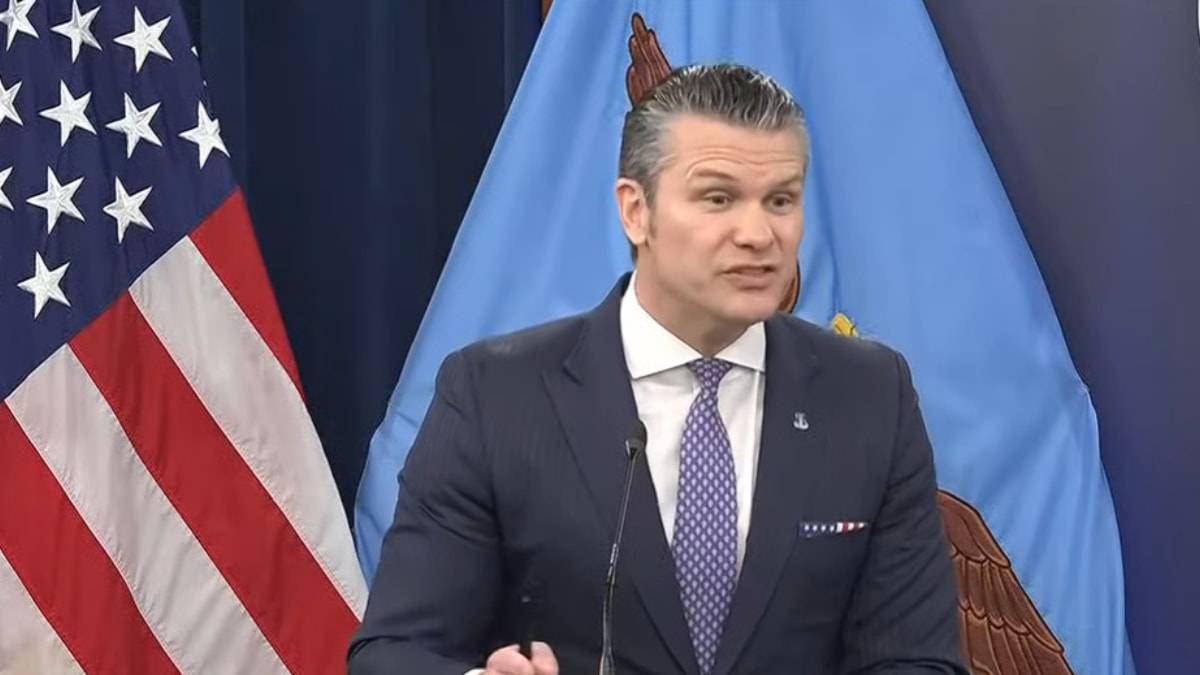
The current escalation is rooted in a complex interplay of factors: Iran's nuclear program, its support for regional proxy groups, and the broader US-Israel security agenda. The US, with its robust military presence in the region, including the Fifth Fleet based in Bahrain, has consistently sought to deter Iranian aggression and ensure freedom of navigation. However, the delicate balance of power is constantly tested, and even minor incidents can quickly spiral into larger confrontations. The recent comments from figures like Hegseth, warning that nations without strong capabilities could be at 'Iran's behest,' highlight a growing concern about the asymmetric nature of potential conflicts and the broader implications for international trade and security.
Trump's Stance: Nuclear Deterrence and Protracted Conflict
Donald Trump's recent pronouncements have added another layer of complexity to the discourse. His categorical rejection of nuclear weapons use against Iran – stating they should “never be used” – provides a degree of clarity on one critical aspect of potential escalation, potentially easing fears of a nuclear confrontation. However, his reluctance to offer a timeline for ending the conflict, and his comparison to the quagmires of Vietnam and Iraq, paints a grim picture of a potentially long and arduous engagement. This analogy is particularly unsettling, as it evokes memories of conflicts that drained American resources, lives, and political will for decades.
* Vietnam War (1955-1975): A protracted conflict marked by guerrilla warfare, significant US casualties, and deep domestic division. It ultimately ended with a US withdrawal and the unification of Vietnam under communist rule. * Iraq War (2003-2011/2021): Initiated under false pretenses, it led to a prolonged insurgency, regional destabilization, and immense human and financial costs. The US military presence continued in various forms for nearly two decades.
These historical parallels suggest that any direct military confrontation with Iran, even if conventional, could be far from a swift resolution. Iran's deep strategic depth, its mountainous terrain, and its experienced military and paramilitary forces (like the Revolutionary Guard Corps) would present a formidable challenge, potentially leading to a prolonged and costly engagement that could destabilize the entire Middle East.
Economic Repercussions: The Oil Market's Volatility
The immediate economic impact of rising tensions is most acutely felt in the global oil markets. Brent crude's jump to $106.50 a barrel is a direct reflection of the risk premium associated with the Strait of Hormuz. Traders and investors are pricing in the increased likelihood of supply disruptions, which could come in various forms:
* Direct attacks on shipping: Naval skirmishes or attacks on oil tankers could immediately halt or slow down transit through the Strait. * Closure of the Strait: While unlikely to be sustained for long due to international pressure, even a temporary closure would send shockwaves through the global economy. * Disruption of regional oil production: Broader conflict could impact oil fields and infrastructure in Saudi Arabia, UAE, and other Gulf states, further reducing supply.
Such disruptions would not only lead to higher fuel prices for consumers worldwide but could also trigger inflationary pressures, dampen economic growth, and potentially push vulnerable economies into recession. For countries heavily reliant on oil imports, the economic ramifications would be particularly severe, underscoring the interconnectedness of geopolitical stability and global economic health.
The Path Forward: Diplomacy Amidst Brinkmanship
Given the high stakes, diplomatic efforts, however challenging, remain paramount. The international community, led by major powers, must intensify efforts to de-escalate tensions and find a peaceful resolution. This involves:
* Re-engagement with Iran: Exploring avenues for dialogue on its nuclear program and regional activities, potentially reviving aspects of the Joint Comprehensive Plan of Action (JCPOA). * Regional security dialogues: Facilitating discussions among Gulf states, Iran, and international partners to build confidence and establish mechanisms for conflict resolution. * Strengthening international norms: Reaffirming the importance of freedom of navigation and condemning actions that threaten international waterways.
However, the path to peace is fraught with obstacles. Deep-seated mistrust, conflicting strategic interests, and the influence of hardline factions on all sides make diplomatic breakthroughs incredibly difficult. The current climate suggests a continuation of brinkmanship, where each side tests the other's resolve, hoping to gain an advantage without triggering a full-scale war.
In conclusion, the escalating tensions in the Strait of Hormuz serve as a potent reminder of the fragility of global peace and economic stability. The specter of a protracted conflict, as warned by former President Trump, combined with the immediate economic fallout in oil markets, demands urgent and concerted international action. For nations worldwide, particularly those with less robust defense capabilities, the message is clear: geopolitical stability is not a given, and preparedness, both militarily and economically, is crucial to navigate an increasingly volatile world. The coming months will undoubtedly test the resolve of leaders and the resilience of international diplomacy as the world watches the Strait of Hormuz with bated breath.
Stay Informed
Get the world's most important stories delivered to your inbox.
No spam, unsubscribe anytime.
Comments
No comments yet. Be the first to share your thoughts!