India-Africa Summit: The Geopolitical Scramble for Critical Minerals
The 4th India-Africa Forum Summit is set to redefine global energy and technology supply chains, with critical minerals at its core. As India aggressively pursues renewable energy and EV ambitions, securing access to African cobalt, lithium, and rare earths becomes paramount. This summit highlights a new era of strategic partnerships, moving beyond traditional resource extraction to foster mutual growth and sustainable development.
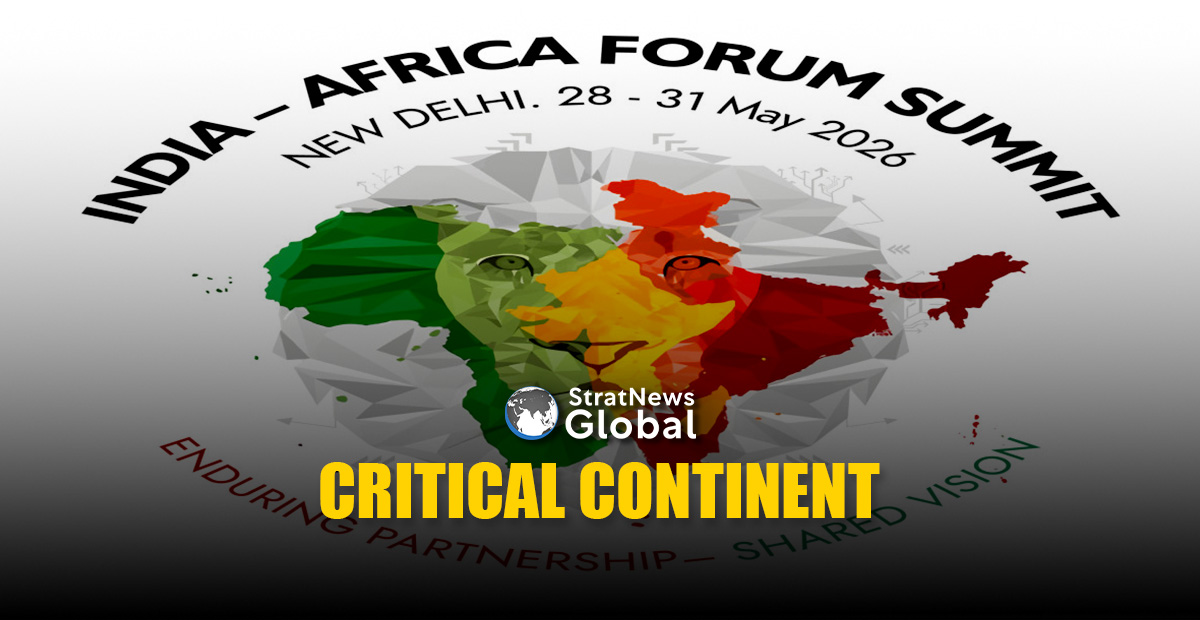
In an era defined by the urgent transition to green energy and advanced technology, the race for critical minerals has become a central pillar of global geopolitics. The forthcoming 4th India-Africa Forum Summit stands poised to be a pivotal moment in this unfolding drama, with access to vital resources like rare earth elements, cobalt, and lithium topping the agenda. As nations worldwide, particularly emerging economic powerhouses like India, accelerate their push towards electric vehicles (EVs), renewable energy infrastructure, and sophisticated electronics manufacturing, the strategic importance of Africa's vast mineral wealth has never been more pronounced.
India, with its ambitious targets for a green future—including 500 GW of non-fossil fuel capacity by 2030 and a significant EV penetration—finds itself in a critical juncture. Its domestic reserves of these essential minerals are limited, making international partnerships indispensable. The summit is not merely a diplomatic gathering; it is a strategic imperative for India to secure the raw materials necessary to fuel its industrial growth and achieve its climate goals, while simultaneously offering African nations a diversified and potentially more equitable development pathway.
The Global Mineral Rush and India's Strategic Imperative
The global demand for critical minerals is skyrocketing. The International Energy Agency (IEA) projects that the demand for lithium could increase by over 40 times by 2040, cobalt by 20-25 times, and rare earth elements by 7 times, driven primarily by the clean energy transition. This surge has ignited a fierce competition among major global players—China, the United States, and the European Union—each vying for preferential access and supply chain dominance. China, in particular, has established a formidable lead, controlling a significant portion of the processing and refining capacity for many of these minerals, a position it has cultivated over decades through substantial investments across Africa.
India, a late entrant in this geopolitical scramble, recognizes the urgency. Its strategy at the India-Africa Summit is multifaceted: it seeks not just raw materials but also to establish long-term, mutually beneficial partnerships that differentiate it from colonial-era resource extraction models. This involves offering technological expertise, capacity building, and investment in local processing facilities, aiming to create value chains within Africa rather than merely exporting raw ore. For instance, India's focus on building out its own battery manufacturing capabilities necessitates a secure and stable supply of lithium and cobalt, minerals predominantly found in countries like the Democratic Republic of Congo (DRC) and Zimbabwe.
Africa's Untapped Potential and Development Dilemmas
Africa is a treasure trove of critical minerals. The DRC alone accounts for over 70% of the world's cobalt supply. Zimbabwe holds some of the largest lithium deposits. South Africa, Madagascar, and Tanzania are rich in rare earth elements, graphite, and nickel. This immense wealth presents an unparalleled opportunity for African nations to industrialize, diversify their economies, and lift millions out of poverty. However, the history of resource extraction on the continent is fraught with challenges, including environmental degradation, social displacement, and the "resource curse", where mineral wealth paradoxically leads to conflict and underdevelopment due to poor governance and external exploitation.
African leaders are increasingly aware of these pitfalls and are seeking partners who offer more than just transactional deals. They demand investments that contribute to local employment, technology transfer, and the development of downstream industries. The African Union's Agenda 2063, for example, emphasizes value addition and beneficiation of raw materials on the continent. India's approach, which often includes lines of credit, technical assistance, and a focus on South-South cooperation, could resonate positively if genuinely implemented with these principles in mind. The summit will likely see discussions around joint ventures, skill development programs, and infrastructure projects that support the entire mineral value chain, from mining to processing and manufacturing.
Geopolitical Chessboard: Balancing Dependencies and Diversification
The critical minerals landscape is a complex geopolitical chessboard. For India, diversifying its supply sources is crucial to reduce dependence on any single nation, particularly China, which currently dominates the supply chain. By forging stronger ties with African mineral-rich nations, India aims to build more resilient and secure supply lines for its burgeoning green economy. This diversification is not just about raw materials; it's about strategic autonomy in a world increasingly shaped by technological competition.
For African nations, engaging with India offers an alternative to traditional partners, fostering competition among buyers and potentially leading to better terms of trade. It also aligns with the broader push for a multipolar world order, where developing nations have greater agency in shaping global economic narratives. However, African countries must navigate these partnerships carefully, ensuring that agreements are transparent, equitable, and genuinely contribute to their long-term development goals, avoiding the mistakes of past resource booms.
Towards a Sustainable and Equitable Future?
The 4th India-Africa Forum Summit represents a critical juncture for both continents. For India, it is an opportunity to secure the foundational elements of its future economy and cement its role as a responsible global power. For Africa, it is a chance to leverage its immense natural wealth for sustainable development, moving beyond the role of a mere raw material supplier. The success of these partnerships will hinge on several factors:
* Fair and Transparent Agreements: Ensuring that deals are equitable and benefit local communities. * Value Addition: Investing in processing and manufacturing within Africa to create local jobs and expertise. * Environmental Stewardship: Adhering to high environmental standards in mining and processing. * Capacity Building: Transferring technology and skills to empower African workforces.
If these principles guide the discussions and subsequent implementations, the India-Africa partnership on critical minerals could serve as a model for South-South cooperation in the 21st century. It could pave the way for a more balanced global supply chain, a greener future for all, and a new chapter of mutual prosperity between two dynamic continents. The outcomes of this summit will undoubtedly reverberate across global markets and geopolitical corridors for years to come, shaping the future of energy, technology, and international relations.
Stay Informed
Get the world's most important stories delivered to your inbox.
No spam, unsubscribe anytime.
Comments
No comments yet. Be the first to share your thoughts!