India's Hormuz Gambit: A Rare LPG Transit Signals Deeper Energy Crisis Amid Sanctions
An India-linked tanker's rare transit through the Strait of Hormuz, carrying crucial LPG, highlights India's desperate struggle to secure energy supplies amidst a global crisis and complex geopolitical pressures. This high-stakes maneuver underscores the nation's reliance on a volatile region and its efforts to navigate U.S. sanctions affecting its traditional energy partners. The event offers a glimpse into the intricate dance of international trade, energy security, and diplomatic tightropes walked by major global players.
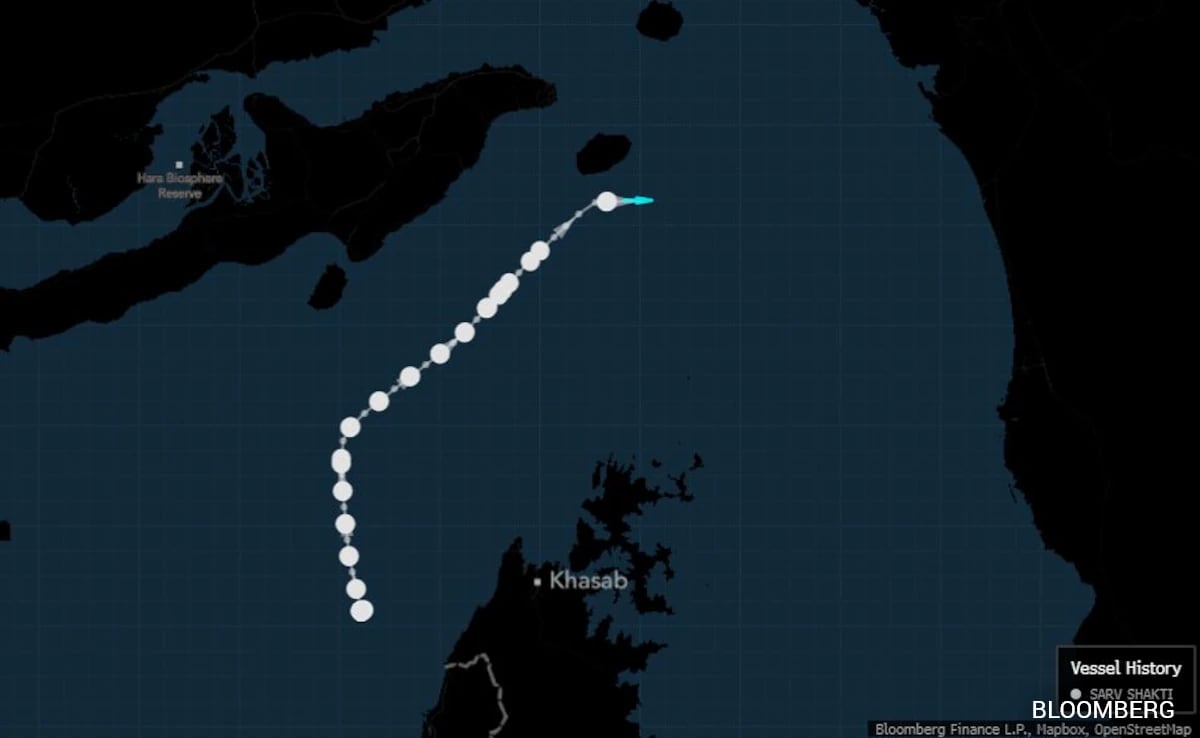
The Strait of Hormuz, a narrow choke point between the Persian Gulf and the Gulf of Oman, is more than just a shipping lane; it's a pulsating artery of global energy trade, a geopolitical flashpoint, and a barometer of international tensions. Recently, this critical waterway witnessed a rare and significant event: the Marshall Islands-flagged tanker Sarv Shakti, laden with approximately 45,000 tons of liquefied petroleum gas (LPG), successfully transited the strait. This seemingly routine passage was anything but, underscoring India's deepening energy crisis and its complex navigation of U.S. sanctions against key oil-producing nations.
For decades, India, the world's third-largest energy consumer, has grappled with the monumental task of fueling its burgeoning economy and vast population. Its energy security is intrinsically linked to the stability of the Middle East and the unimpeded flow of resources through conduits like Hormuz. The Sarv Shakti's journey, moving past Iranian islands Larak and Qeshm, was a stark reminder of the lengths to which nations will go to secure vital resources, especially cooking fuel, which is a fundamental necessity for millions of Indian households.
The Geopolitical Chessboard of Energy Security
India's energy dilemma is multifaceted. On one hand, it faces immense domestic demand, driven by rapid urbanization and industrial growth. On the other, it must contend with a volatile global energy market, exacerbated by geopolitical conflicts, supply chain disruptions, and the ever-present shadow of U.S. sanctions. The Sarv Shakti's cargo of LPG, a clean-burning fuel crucial for cooking, highlights the humanitarian aspect of this crisis. Millions in India rely on LPG cylinders for daily sustenance, making its availability a matter of national stability and public welfare.
Historically, India has maintained a delicate balance in its foreign policy, cultivating relationships with a diverse array of energy suppliers, including Iran and Russia. However, the intensification of U.S. sanctions, particularly those targeting Iran's oil exports, has forced New Delhi to recalibrate its strategy. While India has largely complied with these sanctions, reducing its reliance on Iranian crude, the need for diversified energy sources remains paramount. The current global energy landscape, marked by the Ukraine conflict and its ripple effects, has further complicated matters, pushing India to explore all viable options, even those fraught with geopolitical risk.
This particular transit, involving a vessel reportedly linked to India, suggests a calculated risk. The explicit details of the cargo's origin and destination, and the commercial arrangements behind it, often remain opaque in such sensitive operations. However, the very act of traversing a region under intense scrutiny, particularly near Iranian territorial waters, speaks volumes about the urgency of India's energy requirements and its strategic maneuvering to bypass or mitigate the impact of international restrictions.
Navigating Sanctions and Supply Chains
The U.S. sanctions regime against Iran aims to curtail its nuclear program and destabilize its economy by limiting its ability to export oil. While India has significantly scaled back its direct crude imports from Iran, the broader implications of these sanctions can still affect its energy supply chain. For instance, if a vessel previously engaged in sanctioned trade, or owned by entities with a history of such engagement, is used for legitimate trade, it can still attract scrutiny or create logistical hurdles. The use of a Marshall Islands-flagged vessel, rather than an Indian-flagged one, could be a tactic to minimize direct political exposure, though the ultimate ownership or chartering entity often points back to the beneficiary nation.
Moreover, the global LPG market itself has seen significant price volatility. According to the International Energy Agency (IEA), global LPG demand has been steadily rising, particularly in developing economies, leading to tighter markets and increased competition for supplies. For a country like India, which imports over half of its LPG needs, securing stable and affordable supplies is a constant challenge. The cost of LPG directly impacts household budgets, and price spikes can lead to social unrest and economic hardship, making the government's efforts to ensure supply a top priority.
The transit through Hormuz also highlights the broader issue of maritime security. The Strait has been the scene of numerous incidents, including tanker seizures and attacks, underscoring the inherent risks of operating in such a contested zone. Any disruption in this strait, through which roughly one-fifth of the world's total oil consumption passes, would have catastrophic global economic consequences. India, as a major maritime power and consumer, has a vested interest in maintaining freedom of navigation and stability in the region, even as it engages in complex energy procurement strategies.
India's Energy Future: Diversification and Diplomacy
Looking ahead, India's energy strategy will likely continue to focus on two main pillars: diversification of sources and assertive energy diplomacy. The nation has been actively investing in renewable energy, aiming for 500 GW of non-fossil fuel capacity by 2030, a monumental undertaking designed to reduce its reliance on imported hydrocarbons. However, the transition will take time, and fossil fuels will remain a significant component of its energy mix for the foreseeable future.
In the short to medium term, India will continue to explore all avenues for securing traditional energy sources. This includes strengthening ties with traditional partners in the Middle East, exploring new partnerships in Africa and Latin America, and strategically engaging with nations like Russia, as evidenced by its increased crude oil imports from Moscow post-Ukraine conflict. The Sarv Shakti incident, while specific to LPG, is emblematic of this broader approach – a pragmatic, often opportunistic, pursuit of energy security in a world increasingly defined by resource scarcity and geopolitical fragmentation.
India's diplomatic efforts will be crucial in balancing its energy needs with its international commitments and relationships. It must skillfully navigate the intricate web of alliances and rivalries, ensuring that its pursuit of energy security does not alienate key partners or expose it to undue risks. The ability to source critical fuels, even from unconventional or geopolitically sensitive channels, will be a testament to its growing influence and its determination to safeguard its national interests.
Conclusion: A Precarious Path Forward
The rare transit of the Sarv Shakti through the Strait of Hormuz is more than just a shipping anecdote; it is a powerful symbol of India's precarious energy journey. It encapsulates the nation's immense energy hunger, its struggle against global supply constraints, and its intricate dance with international sanctions. As India continues its ascent on the global stage, its ability to secure reliable and affordable energy will be a defining factor in its success. This will necessitate continued strategic foresight, robust diplomatic engagement, and a willingness to navigate complex geopolitical waters, ensuring that the lights stay on and the cooking fires burn for its 1.4 billion citizens. The path ahead remains challenging, but India's resolve to overcome these hurdles is unwavering, as demonstrated by every vessel that successfully traverses the world's most critical energy chokepoints.
Stay Informed
Get the world's most important stories delivered to your inbox.
No spam, unsubscribe anytime.
Comments
No comments yet. Be the first to share your thoughts!