Iran Reviews US '14-Point Proposal' Response: A High-Stakes Diplomatic Chess Match
Iran announced it is reviewing the US response to its 14-point proposal, signaling a potential, albeit complex, diplomatic path amidst escalating tensions. The Revolutionary Guards have framed the situation as a choice between an 'impossible' military option and a 'bad deal,' highlighting the deep mistrust and strategic maneuvering at play. This development comes as indirect negotiations continue, with Pakistan acting as an intermediary, and the international community watches closely for any signs of de-escalation or further confrontation.
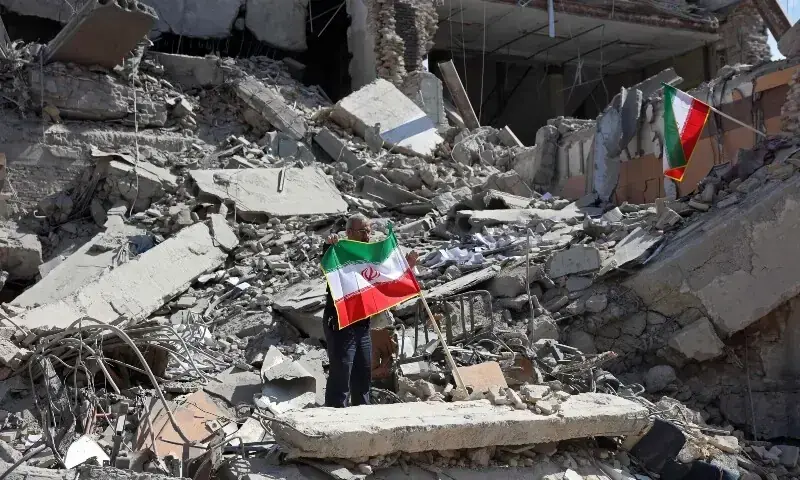
The geopolitical chessboard of the Middle East is once again alight with intricate maneuvers, as Iran announced on Sunday that it is carefully reviewing the United States' response to its 14-point proposal. This pivotal development, conveyed via Iranian state media, indicates a delicate diplomatic dance unfolding through the intermediary of Pakistan, despite official denials of direct nuclear negotiations. The stakes are astronomically high, with Iran's powerful Revolutionary Guards framing the situation as a stark choice for Washington: an “impossible” military operation or a “bad deal” with Tehran. This rhetoric underscores the profound distrust and strategic posturing that define the relationship between these two global powers.
The Diplomatic Overture: A Glimmer Amidst Shadows
For years, the relationship between Iran and the United States has been characterized by a complex interplay of sanctions, military posturing, and fitful diplomatic efforts. The current revelation of a 14-point proposal and a subsequent US response, even if indirect, represents a significant, albeit fragile, step. While Iranian officials, including the foreign ministry, have been quick to clarify that these are not “nuclear negotiations” in the traditional sense, the very existence of such a detailed proposal suggests a broader attempt to address outstanding issues. This could encompass regional security, sanctions relief, and perhaps even the future of Iran's nuclear program, albeit through a non-direct channel.
The role of Pakistan as an intermediary is crucial. Its historical ties with both nations, coupled with its strategic location, make it a suitable, if not ideal, conduit for sensitive communications. This indirect communication channel allows both sides to explore potential common ground without the political risks associated with direct engagement, especially given the domestic pressures faced by leaders in both Washington and Tehran. The fact that Iran is 'reviewing' the response suggests the proposal was substantive enough to warrant serious consideration, moving beyond mere diplomatic pleasantries.
Historical Context: A Legacy of Mistrust and Missed Opportunities
Understanding the current dynamic requires a look back at the tumultuous history between Iran and the US. The 1979 Islamic Revolution fundamentally altered the geopolitical landscape, transforming a key US ally into an ideological adversary. Decades of sanctions, proxy conflicts, and mutual accusations have cemented a deep-seated mistrust. The Joint Comprehensive Plan of Action (JCPOA), signed in 2015, represented a brief period of rapprochement, offering sanctions relief in exchange for curbs on Iran's nuclear program. However, the US withdrawal from the agreement in 2018 under the Trump administration, and the subsequent re-imposition of crippling sanctions, plunged the relationship back into crisis.
Iran's nuclear program remains a central point of contention. While Tehran insists its program is for peaceful energy purposes, Western powers and Israel fear it could be a precursor to developing nuclear weapons. This fear has driven much of the international pressure and sanctions regime. The current proposal, therefore, must be viewed against this backdrop of a deeply entrenched nuclear dispute, regional proxy wars, and the constant threat of military escalation. The Revolutionary Guards' statement about an “impossible” military operation is a direct nod to the perceived futility and catastrophic consequences of such an action, a lesson perhaps drawn from other regional conflicts.
Expert Analysis: Navigating the 'Bad Deal' vs. 'Impossible War' Conundrum
Analysts are dissecting the implications of Iran's statement. The phrase “bad deal” is particularly telling. It suggests that while Tehran is open to a diplomatic resolution, it is unwilling to accept terms that it perceives as fundamentally disadvantageous or that compromise its sovereignty and strategic interests. This could relate to: * Scope of nuclear activities: Iran's uranium enrichment levels and centrifuge development. * Sanctions relief: The extent and permanence of economic relief. * Regional influence: Iran's support for various non-state actors across the Middle East. * Verification mechanisms: The invasiveness and scope of international inspections.
The Revolutionary Guards' assertion that Washington faces a choice between an “impossible” military operation and a “bad deal” is a classic example of strategic framing. It aims to: * Deter military action: By emphasizing the high costs and low probability of success. * Strengthen Iran's negotiating position: By portraying any diplomatic outcome as a concession from the US. * Rally domestic support: By presenting Iran as a resilient nation standing up to external pressure.
However, this framing also highlights the inherent risks. If the US perceives Iran's demands as unreasonable or its nuclear advancements as too threatening, the 'impossible' military option might begin to look less impossible to some hardliners in Washington or Tel Aviv. The current regional instability, exacerbated by ongoing conflicts, further complicates any diplomatic breakthroughs, as each action is viewed through the lens of broader power struggles.
Implications for Regional Stability and Global Energy Markets
Any significant development in US-Iran relations has profound implications far beyond their immediate borders. The Middle East, a region already grappling with multiple crises, would either see a much-needed de-escalation or a dangerous intensification of tensions. A successful diplomatic path, even a partial one, could lead to: * Reduced regional proxy conflicts: Potentially easing tensions in Yemen, Syria, and Lebanon. * Stabilization of oil markets: Iran's potential return to full oil production could impact global prices. * Increased international trade: If sanctions are eased, opening up new economic opportunities.
Conversely, a breakdown in these indirect talks, or a perceived failure to reach a mutually acceptable agreement, could lead to: * Escalation of Iran's nuclear program: Potentially pushing it closer to weapons-grade material. * Increased military posturing: Heightening the risk of direct confrontation. * Further regional destabilization: Empowering hardline factions and exacerbating existing conflicts.
Global energy markets are particularly sensitive to US-Iran dynamics. Iran holds the world's second-largest natural gas reserves and fourth-largest proven crude oil reserves. Any disruption to its production or export capabilities, or threats to shipping lanes in the Persian Gulf, can send shockwaves through the global economy. The current review process, therefore, is not just a bilateral issue but a matter of global economic and security concern.
The Path Forward: Cautious Optimism or Lingering Stalemate?
The current situation is a testament to the enduring complexity of international diplomacy, particularly when dealing with deeply entrenched adversaries. While Iran's announcement of reviewing the US response offers a sliver of hope, it is crucial to temper expectations. Both sides have significant domestic political constraints and deeply held strategic objectives that are often at odds.
The path forward will likely involve continued indirect communications, careful probing of each other's red lines, and a search for incremental agreements rather than a grand bargain. The international community, led by European powers, will likely continue to play a facilitating role, urging both Washington and Tehran to exercise restraint and pursue diplomatic solutions. The choice between an “impossible” military operation and a “bad deal” is a false dichotomy if it means abandoning the pursuit of a viable, mutually respectful, and sustainable agreement. The coming weeks and months will reveal whether this latest diplomatic overture can truly pave the way for a more stable future, or if it will merely be another chapter in a long-running saga of confrontation and mistrust.
Stay Informed
Get the world's most important stories delivered to your inbox.
No spam, unsubscribe anytime.
Comments
No comments yet. Be the first to share your thoughts!