Iranian Lawmaker Questions Pakistan's Neutrality in Regional Diplomacy, Stalling Critical Talks
A prominent Iranian lawmaker has publicly questioned Pakistan's suitability as a mediator in sensitive regional negotiations, citing concerns over its neutrality. This unexpected intervention comes as diplomatic efforts intensify to keep crucial talks on track, potentially complicating an already delicate geopolitical landscape. The remarks highlight deep-seated mistrust and the intricate challenges facing Middle Eastern diplomacy. Experts warn this could further delay progress on vital regional stability issues.
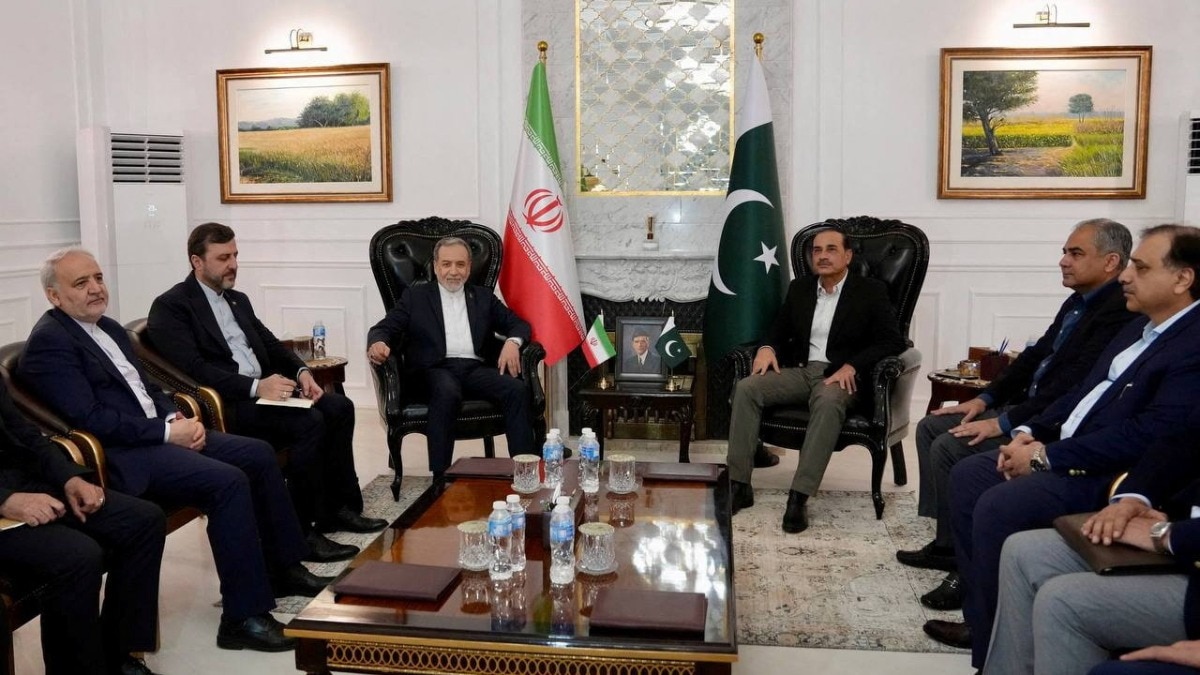
In a dramatic turn that has sent ripples through the intricate world of Middle Eastern diplomacy, a senior Iranian lawmaker has publicly cast serious doubts on Pakistan’s role as a neutral intermediary in ongoing regional negotiations. Ebrahim Rezaei, representing Dashtestan and serving as spokesperson for the Iranian Parliament’s National Security and Foreign Policy Committee, voiced his skepticism, suggesting that Pakistan’s historical alignment and perceived biases render it an unsuitable facilitator for such critical talks. His remarks, delivered amidst a flurry of diplomatic activity led by Iran’s chief negotiator Abbas Araghchi, who has been shuttling between Oman and Islamabad, threaten to further complicate an already fragile peace process.
Rezaei’s pointed critique underscores the profound mistrust and complex geopolitical dynamics that often plague attempts at regional reconciliation. For decades, Pakistan has sought to position itself as a bridge-builder, particularly between Iran and Saudi Arabia, and in broader discussions concerning Afghanistan and regional security. However, this latest pronouncement from Tehran suggests that such aspirations are now under intense scrutiny, potentially undermining Pakistan’s diplomatic credibility at a pivotal moment.
The Shifting Sands of Regional Diplomacy
The Middle East and South Asia are regions perpetually in flux, characterized by shifting alliances, historical grievances, and competing strategic interests. Iran, a major regional power, has often found itself at odds with several Gulf Arab states, notably Saudi Arabia, over issues ranging from Yemen to Lebanon and the broader struggle for regional influence. Pakistan, a predominantly Sunni Muslim nation with strong historical ties to Saudi Arabia and significant economic and security interests with both Riyadh and Tehran, has frequently offered its good offices to de-escalate tensions. Its nuclear capability and strategic location at the crossroads of South Asia, Central Asia, and the Middle East lend it a unique, albeit challenging, diplomatic position.
Recent years have seen renewed efforts to foster dialogue and reduce friction. Oman, known for its quiet diplomacy, has often played a crucial role in facilitating back-channel communications. The involvement of senior Iranian diplomats like Abbas Araghchi, a seasoned negotiator with extensive experience in high-stakes talks, signals Tehran’s commitment to these discussions. However, the public questioning of a key potential mediator like Pakistan by a prominent Iranian official introduces an element of uncertainty that could derail progress. It suggests that underlying issues of trust and perceived impartiality remain significant hurdles.
Pakistan's Balancing Act Under Scrutiny
Pakistan’s foreign policy has historically been a delicate balancing act. While it maintains robust defense and economic ties with Saudi Arabia, including significant financial aid and military cooperation, it also shares a long border with Iran and has substantial trade and cultural links. This dual relationship often places Islamabad in a precarious position when regional tensions flare. Iranian officials, including Rezaei, have previously expressed concerns about Pakistan’s perceived tilt towards Saudi Arabia, particularly in contexts like the Yemen conflict or broader Sunni-Shiite sectarian dynamics.
Rezaei’s statement, “Pakistan is not a suitable intermediary,” is not merely a casual remark; it reflects a deeper sentiment within certain Iranian political circles regarding Pakistan’s capacity for genuine neutrality. This sentiment is likely fueled by several factors:
* Historical Alignments: Pakistan’s long-standing military and economic dependence on Saudi Arabia and other Gulf states. Saudi Arabia has often been a primary source of financial assistance for Pakistan, influencing its foreign policy stances. * Sectarian Dynamics: While officially neutral, Pakistan's internal sectarian issues and the influence of certain religious groups can be viewed with suspicion by Iran, a Shiite-majority nation. * Regional Power Plays: In the broader geopolitical contest between Iran and Saudi Arabia, any perceived leanings by a mediator can be seen as compromising its effectiveness.
This public challenge forces Pakistan to re-evaluate its diplomatic strategy and potentially work harder to demonstrate its impartiality. For the talks to succeed, all parties must have absolute confidence in the mediator’s objectivity.
Implications for Regional Stability and Future Talks
The implications of Rezaei’s remarks are far-reaching. Firstly, they could force a reassessment of the current diplomatic architecture. If Pakistan is indeed deemed unsuitable, other potential mediators, such as Oman, Qatar, or even European nations, might need to step up or play a more prominent role. This could lead to delays as new channels are established or existing ones are reinforced.
Secondly, it highlights the fragility of trust in regional negotiations. Diplomacy in the Middle East is often a high-wire act, where historical grievances and current suspicions can easily derail progress. The public questioning of a mediator, rather than a quiet diplomatic demarche, suggests a significant level of frustration or strategic intent on Iran’s part.
* Potential Delays: The search for an acceptable, truly neutral intermediary could prolong the current diplomatic impasse. * Increased Tensions: If a suitable mediator cannot be found, or if the current talks collapse, regional tensions could escalate, impacting security and economic stability. * Pakistan's Diplomatic Role: Islamabad might find its aspirations for a significant regional diplomatic role diminished, at least in the eyes of Tehran, requiring a strategic recalibration.
For the international community, particularly powers like China, Russia, and the European Union that have vested interests in Middle Eastern stability, this development presents a new challenge. The absence of reliable mediation channels can lead to greater unpredictability in a region already grappling with numerous crises.
The Path Forward: Rebuilding Trust and Redefining Mediation
To overcome this diplomatic hurdle, several avenues could be explored. Iran and Pakistan could engage in bilateral discussions to address Tehran’s specific concerns regarding Islamabad’s neutrality. Pakistan, for its part, could proactively demonstrate its impartiality through concrete actions or clearer policy statements regarding its role in regional disputes. This might involve emphasizing its commitment to non-interference and its equal desire for peace among all regional actors.
Alternatively, the focus might shift entirely to other mediators. Oman, with its proven track record of successful quiet diplomacy, could expand its role. European powers, with their less direct involvement in regional power struggles, might also be considered. The key will be to find a facilitator who commands the unequivocal trust of all parties involved, a commodity that appears to be in short supply in the current climate.
Ebrahim Rezaei’s candid assessment serves as a stark reminder of the complexities inherent in Middle Eastern diplomacy. It underscores that successful mediation is not just about willingness, but also about perceived impartiality and the deep-seated trust of all parties. As Abbas Araghchi continues his diplomatic rounds, the challenge now extends beyond merely finding common ground between adversaries; it also involves ensuring that the very channels of communication are deemed credible and unbiased by all participants. The future of these critical regional talks, and indeed regional stability, hinges on successfully navigating this delicate diplomatic tightrope and rebuilding the foundational trust necessary for genuine progress.
Stay Informed
Get the world's most important stories delivered to your inbox.
No spam, unsubscribe anytime.
Comments
No comments yet. Be the first to share your thoughts!