Japan's Fiscal Tightrope: Takaichi Weighs Middle East Impact on Budget
Japanese Prime Minister Sanae Takaichi has stated there is no immediate need for a supplementary budget, despite growing calls from lawmakers. Her administration, however, pledges a flexible response to potential economic fallout from the escalating Middle East conflict. This cautious approach highlights Japan's delicate balance between fiscal prudence and economic resilience in a volatile global landscape.
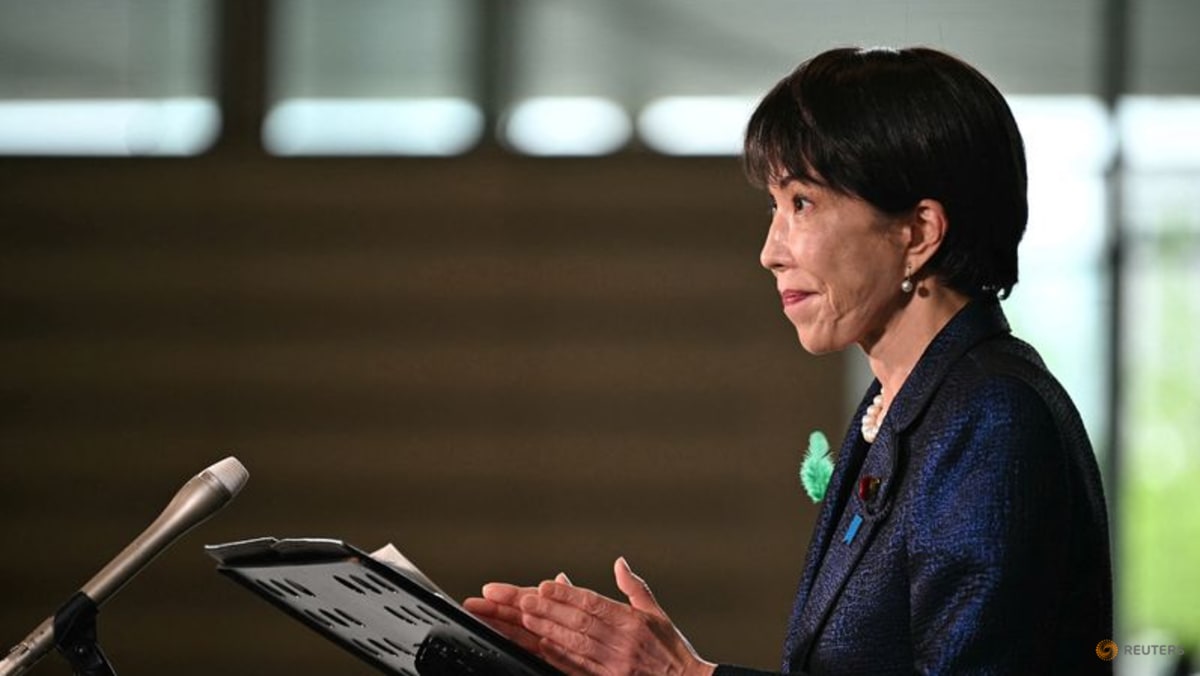
TOKYO – In a move that underscores the delicate balance between fiscal prudence and geopolitical uncertainty, Japanese Prime Minister Sanae Takaichi declared on Monday (Apr 27) that her administration sees no immediate necessity for a supplementary budget. This statement comes amidst increasing pressure from both ruling and opposition factions advocating for additional fiscal measures to bolster the economy. However, Takaichi did not entirely close the door, emphasizing a commitment to respond “flexibly” should the ongoing Middle East conflict inflict significant economic damage.
This nuanced stance reflects a government grappling with the dual challenges of managing a substantial national debt while simultaneously safeguarding its economy against external shocks. Japan, a nation heavily reliant on imported energy and raw materials, is particularly vulnerable to disruptions in global supply chains and spikes in commodity prices, both potential consequences of prolonged instability in the Middle East. The Prime Minister's remarks signal a wait-and-see approach, prioritizing existing fiscal frameworks while maintaining readiness for intervention.
The Economic Undercurrents: Inflation and Geopolitics
The backdrop to Takaichi's declaration is a complex economic environment. Japan has been navigating a period of gradual recovery from the pandemic, marked by persistent efforts to stimulate domestic demand and combat deflationary pressures that have plagued the economy for decades. While inflation has recently shown signs of picking up, driven partly by global energy costs, the Bank of Japan has maintained an ultra-loose monetary policy, only recently making a historic shift away from negative interest rates. This cautious monetary tightening, combined with the government's fiscal restraint, aims to foster sustainable economic growth without derailing the fragile recovery.
The Middle East conflict, however, introduces a significant element of unpredictability. Escalations in the region invariably lead to volatility in global oil markets, directly impacting Japan's energy import bill. A sustained surge in oil prices could reignite inflationary pressures, erode household purchasing power, and dampen corporate profits, potentially pushing the economy towards a slowdown. Furthermore, disruptions to shipping lanes, such as those through the Suez Canal or the Strait of Hormuz, could severely impede Japan's trade flows, given its status as a major trading nation.
Historical Precedent and Fiscal Discipline
Japan has a history of deploying supplementary budgets in times of crisis. These have typically been used to fund disaster relief, economic stimulus packages during recessions, or to address unforeseen national emergencies. For instance, in response to the 2011 Great East Japan Earthquake and Tsunami, multiple supplementary budgets were enacted to finance reconstruction efforts. Similarly, during the COVID-19 pandemic, the government passed several large supplementary budgets to support businesses and households.
However, these interventions have contributed to Japan's colossal national debt, which is currently the highest among developed nations relative to its GDP, exceeding 250%. This fiscal burden places immense pressure on policymakers to exercise caution. Prime Minister Takaichi's reluctance to immediately propose a supplementary budget can be seen as an attempt to uphold fiscal discipline and avoid further exacerbating the debt situation unless absolutely necessary. The government's current budget already includes provisions for various economic measures, and the focus appears to be on maximizing the effectiveness of existing allocations before considering new ones.
Political Pressure and Public Expectation
The calls for an extra budget are not without merit. Lawmakers, particularly those representing constituencies feeling the pinch of rising living costs or facing economic uncertainties, often advocate for additional government spending to support their constituents. Opposition parties frequently use such opportunities to criticize the government's economic management and propose alternative fiscal strategies. The ruling coalition, while generally aligned with the Prime Minister, also faces internal pressures to demonstrate responsiveness to public concerns.
Public sentiment, too, plays a crucial role. Japanese citizens, having weathered various economic downturns and natural disasters, often look to the government for robust support during times of instability. Balancing these expectations with the long-term imperative of fiscal health is a tightrope walk for any administration. Takaichi's promise of “flexibility” is likely an attempt to reassure both her political base and the wider public that the government is prepared to act decisively if economic conditions deteriorate significantly, without prematurely committing to potentially unnecessary spending.
Looking Ahead: A Strategic Wait-and-See
Prime Minister Takaichi's approach signals a strategic patience, allowing her administration to closely monitor the evolving situation in the Middle East and its ripple effects on the global and domestic economies. This contrasts with a more immediate, reactive stance, suggesting confidence in the existing economic frameworks and the resilience of Japanese businesses and consumers, at least for now.
Key indicators to watch will include global oil prices, the yen's exchange rate, and consumer spending data. Should these metrics show a sustained negative trend directly attributable to geopolitical tensions, the likelihood of a supplementary budget will undoubtedly increase. The government's commitment to “flexibly” respond implies that various tools, from targeted subsidies to broader stimulus measures, remain on the table. For now, Japan's fiscal policy remains firmly anchored in caution, poised to adapt but not yet compelled to deviate from its current course, as it navigates a world increasingly defined by interconnected crises and economic vulnerabilities.
Stay Informed
Get the world's most important stories delivered to your inbox.
No spam, unsubscribe anytime.
Comments
No comments yet. Be the first to share your thoughts!