Judge 'Disturbed' by 'Legally Deficient' Treatment of Trump Gala Suspect in DC Jail
A US judge has expressed profound disturbance over the 'legally deficient' treatment of Cole Allen, the man accused of attempting to assassinate Donald Trump, in a Washington D.C. jail. Allen was reportedly isolated, denied a Bible, and placed on suicide watch without showing suicidal tendencies, raising serious questions about due process and inmate rights. This incident highlights systemic issues within correctional facilities and the challenges of balancing security with constitutional protections, especially in high-profile cases.
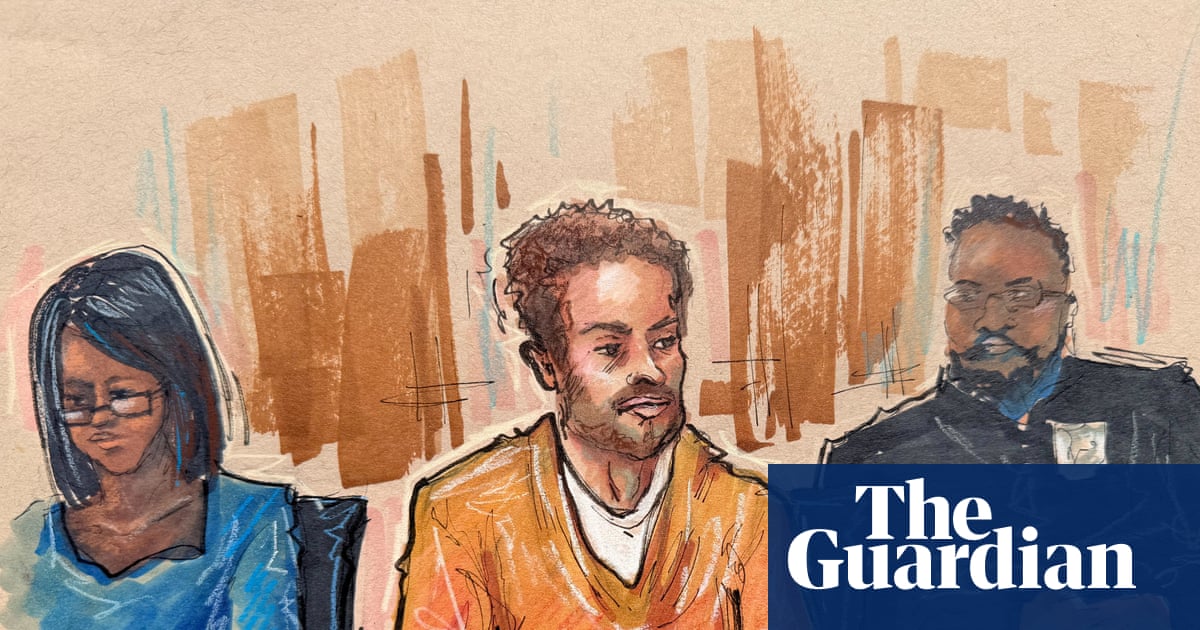
In a startling development that has sent ripples through the American justice system, a US judge has publicly apologized for the “legally deficient” treatment of Cole Allen, the individual accused of attempting to assassinate former President Donald Trump. The revelations, which emerged during a recent court hearing, paint a disturbing picture of Allen’s incarceration in a Washington D.C. jail, where he was allegedly subjected to isolation, denied religious materials, and placed on suicide watch despite exhibiting no suicidal tendencies. This extraordinary judicial intervention underscores deep-seated concerns about due process, inmate rights, and the potential for overreach within correctional facilities, particularly when dealing with high-profile defendants.
Unprecedented Judicial Rebuke and Allegations of Mistreatment
The judge's apology was not merely a formality; it was a strong condemnation of the conditions under which Allen has been held. According to court documents and reports, Allen was reportedly isolated from other inmates, a measure often reserved for individuals posing extreme security risks or those requiring protection. More concerning, however, was the alleged denial of a Bible, a fundamental aspect of religious freedom protected by the First Amendment, and his placement on suicide watch without any apparent medical or psychological justification. This combination of restrictions raises serious questions about the intent behind these measures and whether they constituted punitive actions rather than legitimate security or welfare protocols.
Legal experts and civil rights advocates have been quick to weigh in, pointing out that such treatment, if proven, could constitute a violation of Allen’s constitutional rights. The Eighth Amendment protects inmates from cruel and unusual punishment, while the First Amendment guarantees freedom of religion. Placing an individual on suicide watch without cause can be a form of psychological torment and a misuse of a critical safety protocol. The judge's decision to address these issues publicly and apologize to the defendant is a rare and significant act, signaling the gravity of the alleged abuses and the judiciary's role in upholding the rule of law even within the confines of a jail.
The Broader Context: DC Jail Conditions and Systemic Issues
This incident does not occur in a vacuum. The Washington D.C. jail system has faced scrutiny and criticism for its conditions in the past. Reports from various oversight bodies and civil liberties organizations have highlighted issues ranging from overcrowding and inadequate medical care to insufficient access to legal counsel and potential abuses of power. The treatment of January 6th defendants, for instance, has also drawn considerable attention, with some alleging harsh and politically motivated detention conditions. While each case is unique, the recurring pattern of complaints suggests systemic problems that extend beyond individual incidents.
For a defendant accused of such a grave crime as attempting to assassinate a former president, the pressure on correctional facilities to ensure maximum security is immense. However, this pressure must always be balanced against the fundamental rights of the accused. The principle of innocent until proven guilty is a cornerstone of the American legal system, and even those charged with heinous crimes are entitled to humane treatment and due process. The judge's intervention serves as a critical reminder that the judiciary has a responsibility to oversee not only the courtroom proceedings but also the conditions of detention for those awaiting trial.
Implications for Due Process and Inmate Rights
The “legally deficient” treatment of Cole Allen has significant implications for the principles of due process and inmate rights across the country. When a judge, a figure often seen as the embodiment of legal impartiality, expresses such profound disturbance, it sends a powerful message. It suggests that the boundaries of acceptable treatment were not merely stretched but potentially breached in a manner that undermines the integrity of the justice system.
One of the primary concerns is the potential for punishment before conviction. Isolation, denial of basic comforts, and unwarranted suicide watch can be interpreted as measures designed to break a defendant's spirit or coerce cooperation, rather than genuine security or welfare provisions. This practice is antithetical to the concept of a fair trial, where the accused is presumed innocent and should not be subjected to undue hardship before a verdict is reached. Furthermore, the denial of religious materials, such as a Bible, strikes at the heart of fundamental constitutional protections, raising questions about the respect for individual liberties within the carceral system.
Expert Analysis and Forward-Looking Perspectives
Legal scholars and human rights advocates are closely monitoring this case. Professor Emily Carter, a constitutional law expert at Georgetown University, notes, "The judge's apology is a rare and powerful acknowledgment of potential systemic failures. It highlights the need for robust oversight mechanisms within correctional facilities to prevent abuses, especially in high-profile cases where political pressures might be perceived." She adds, "This incident should prompt a thorough review of detention protocols, ensuring that security measures do not infringe upon fundamental human rights."
The incident also brings into focus the psychological impact of such treatment on defendants. Prolonged isolation, particularly when unwarranted, can lead to severe mental health deterioration, making it difficult for individuals to assist in their own defense. The misuse of suicide watch, a critical tool for preventing self-harm, can erode trust in the system and stigmatize individuals who are not actually suicidal.
Looking ahead, this case could serve as a catalyst for reform. It might spur correctional facilities to re-evaluate their policies regarding solitary confinement, religious accommodations, and mental health protocols. It could also empower defense attorneys to more aggressively challenge detention conditions, using the judge's strong words as precedent. The judiciary, as the ultimate guardian of constitutional rights, has demonstrated its willingness to intervene when the treatment of defendants falls below acceptable legal and ethical standards. The outcome of Cole Allen's case, both in terms of his prosecution and the scrutiny of his detention conditions, will undoubtedly be watched closely by legal professionals, civil rights organizations, and the public, shaping discussions about justice and human dignity within the American carceral state for years to come.
Stay Informed
Get the world's most important stories delivered to your inbox.
No spam, unsubscribe anytime.
Comments
No comments yet. Be the first to share your thoughts!