Keaton Slater's Legacy: Coventry's 20mph Limit and the Quest for Safer Roads
The tragic death of 12-year-old Keaton Slater has spurred Coventry to implement a 20mph speed limit on the road where he was killed. His parents express profound gratitude, hoping this measure prevents future tragedies. This article explores the broader implications of road safety, community activism, and the ongoing debate over speed limits in urban areas, highlighting Keaton's lasting impact.
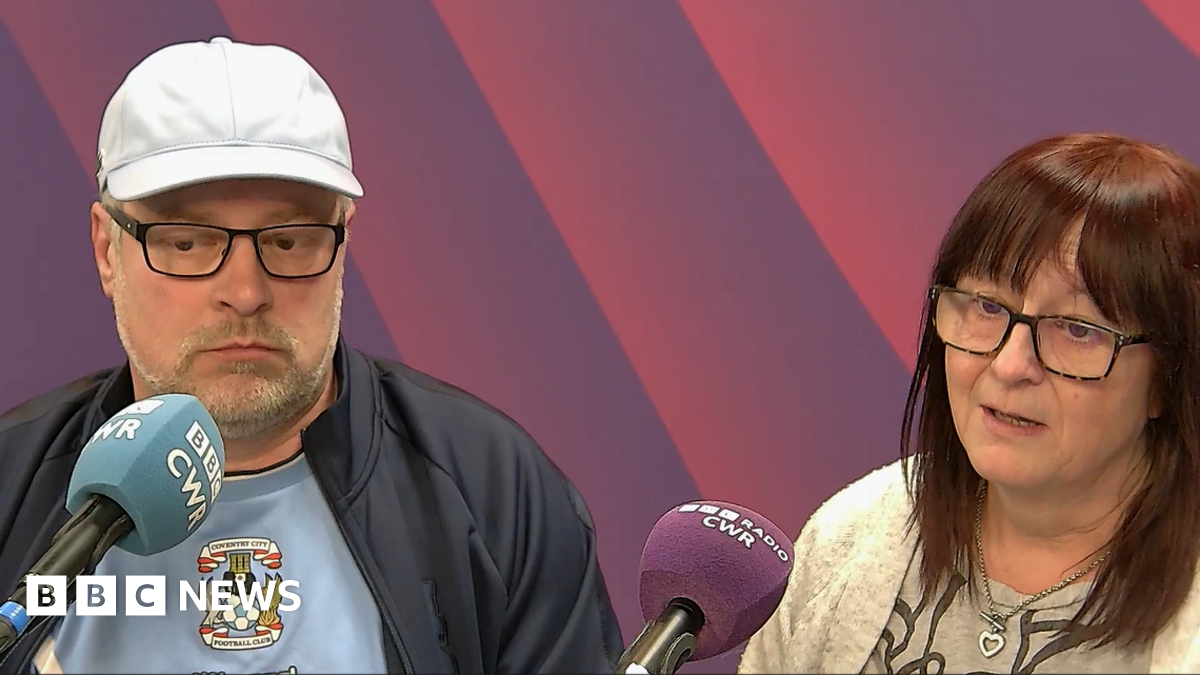
The profound grief of losing a child is an unimaginable burden, yet from such sorrow, sometimes a flicker of hope can emerge, igniting change. This is precisely the narrative unfolding in Coventry, UK, following the tragic death of 12-year-old Keaton Slater. On June 14, 2024, Keaton was fatally struck by a black BMW, an incident that sent shockwaves through the community and beyond. Now, in a poignant development, Coventry authorities have announced the implementation of a 20mph speed limit on the very road where Keaton’s young life was cut short. His parents, still reeling from their devastating loss, have expressed a mixture of shock and profound gratitude, viewing this measure as a crucial step towards preventing future tragedies and honoring their son’s memory.
A Community's Cry for Change
Keaton Slater’s death was not merely a local incident; it became a catalyst for a deeply felt community response. The immediate aftermath saw an outpouring of grief, solidarity, and a determined demand for action. Residents, parents, and local activists rallied, highlighting long-standing concerns about road safety, particularly around residential areas and schools. The incident brought into sharp focus the vulnerability of pedestrians, especially children, in environments where vehicle speeds are perceived as excessive. The campaign for reduced speed limits gained significant momentum, fueled by the raw emotion of Keaton’s story and the collective desire to protect other young lives. This grassroots movement, amplified by local media and community leaders, played a pivotal role in pushing the local council to re-evaluate existing road safety policies and prioritize immediate interventions. The decision to introduce the 20mph limit is a direct testament to the power of community advocacy in the face of tragedy.
The Rationale Behind 20mph Zones
The move to implement a 20mph speed limit is not an isolated incident but part of a growing global trend towards urban traffic calming. Proponents of 20mph zones cite compelling evidence regarding their effectiveness in enhancing road safety. Research consistently demonstrates that lower speeds significantly reduce both the likelihood and severity of collisions. For instance, a pedestrian struck by a vehicle traveling at 20mph has a 90% chance of survival, whereas at 30mph, this drops dramatically to around 50%. At 40mph, the survival rate plummets to just 10%. These statistics underscore the critical difference even a small reduction in speed can make, particularly for vulnerable road users like children, cyclists, and the elderly. Beyond direct safety benefits, 20mph limits also contribute to: * Reduced noise pollution: Quieter streets improve the quality of life for residents. * Increased active travel: Safer roads encourage walking and cycling, promoting public health. * Stronger community cohesion: Slower traffic fosters a more pleasant and interactive street environment. * Lower carbon emissions: Smoother, slower driving can lead to more fuel-efficient journeys.
While some argue that lower speed limits can impede traffic flow, studies often show that the impact on overall journey times in urban areas is minimal, as traffic is frequently dictated by junctions, lights, and congestion rather than maximum speed limits. The benefits for public safety and urban liveability are increasingly seen to outweigh these concerns.
A Broader Context: Road Safety in the UK and Beyond
Keaton Slater’s tragic death and the subsequent policy change in Coventry resonate with a wider national and international discourse on road safety. The UK has seen various initiatives aimed at reducing road fatalities and serious injuries, including the introduction of speed cameras, stricter enforcement, and public awareness campaigns. However, progress has often been incremental, and incidents like Keaton's serve as stark reminders that much more needs to be done. Many cities across Europe, such as Paris, Brussels, and Edinburgh, have already adopted city-wide 30km/h (approx. 18.6mph) or 20mph limits, demonstrating a commitment to prioritizing human life over vehicle speed. These cities report positive outcomes, including a significant reduction in accidents and an increase in active travel modes. The debate often pits the convenience of motorists against the safety of communities, a tension that requires careful balancing by policymakers. The Coventry decision, therefore, is not just a local response but a participation in a global movement towards creating more humane and resilient urban spaces.
The Emotional Impact and Long-Term Implications
The gratitude expressed by Keaton’s parents is profound, yet it is tinged with the enduring pain of their loss. Their hope is that no other family will have to endure such a tragedy. This personal plea transforms a policy decision into a deeply human one. For the community of Coventry, the new speed limit will serve as a constant, albeit somber, reminder of Keaton, but also as a symbol of collective action and resilience. The long-term implications of this decision extend beyond the immediate road where Keaton died. It sets a precedent for other areas in Coventry and potentially other towns and cities across the UK to re-evaluate their own speed limits, especially in areas frequented by children. It reinforces the idea that road safety is a shared responsibility, requiring vigilance from drivers, effective policy from authorities, and active engagement from communities.
Furthermore, this event highlights the crucial role of journalism in bringing such stories to light and sustaining public pressure for change. By focusing on the human element of road safety statistics, news outlets help galvanize public opinion and hold decision-makers accountable. The narrative of Keaton Slater will undoubtedly become a case study in urban planning and road safety advocacy, demonstrating how individual tragedies can, regrettably, be the impetus for systemic improvements.
Moving Forward: Sustaining Momentum for Safer Streets
The introduction of the 20mph limit is a significant victory for road safety advocates, but it is by no means the end of the journey. Effective implementation and enforcement will be crucial to its success. This includes clear signage, public awareness campaigns to inform drivers of the new limits, and consistent police presence to deter non-compliance. Beyond this specific measure, the broader conversation about urban mobility needs to continue. This involves exploring: * Innovative urban design: Implementing traffic calming measures like speed bumps, chicanes, and narrower lanes. * Pedestrian and cycling infrastructure: Investing in dedicated paths and crossings to separate vulnerable road users from traffic. * Driver education: Promoting responsible driving habits and awareness of vulnerable road users. * Technological solutions: Utilizing smart traffic systems and vehicle safety features.
Keaton Slater's memory will forever be intertwined with the fight for safer streets in Coventry. His parents' courage in advocating for change amidst their grief has left an indelible mark. The new 20mph limit stands as a powerful testament to the idea that even in the darkest of times, collective action can bring about meaningful, life-saving change. It is a reminder that every life lost on our roads is a preventable tragedy, and every measure taken to prevent such loss is a step towards a more compassionate and secure future for all. The hope is that Keaton's legacy will inspire not just compliance, but a fundamental shift in how we perceive and prioritize safety on our shared urban thoroughfares, ensuring that no other family has to experience the same profound loss.
Stay Informed
Get the world's most important stories delivered to your inbox.
No spam, unsubscribe anytime.
Comments
No comments yet. Be the first to share your thoughts!