Trump Claims Iran's Economic Strain as Tehran Signals Diplomatic Opening Amidst Regional Tensions
Amidst escalating regional tensions, former U.S. President Donald Trump asserts that Iran is facing severe financial difficulties, a claim amplified on his Truth Social platform. This comes as Tehran, despite its defiant stance, has reportedly signaled a conditional willingness to re-engage in negotiations. The intricate dance between economic pressure and diplomatic overtures sets the stage for potential shifts in the volatile Middle East, with global implications.
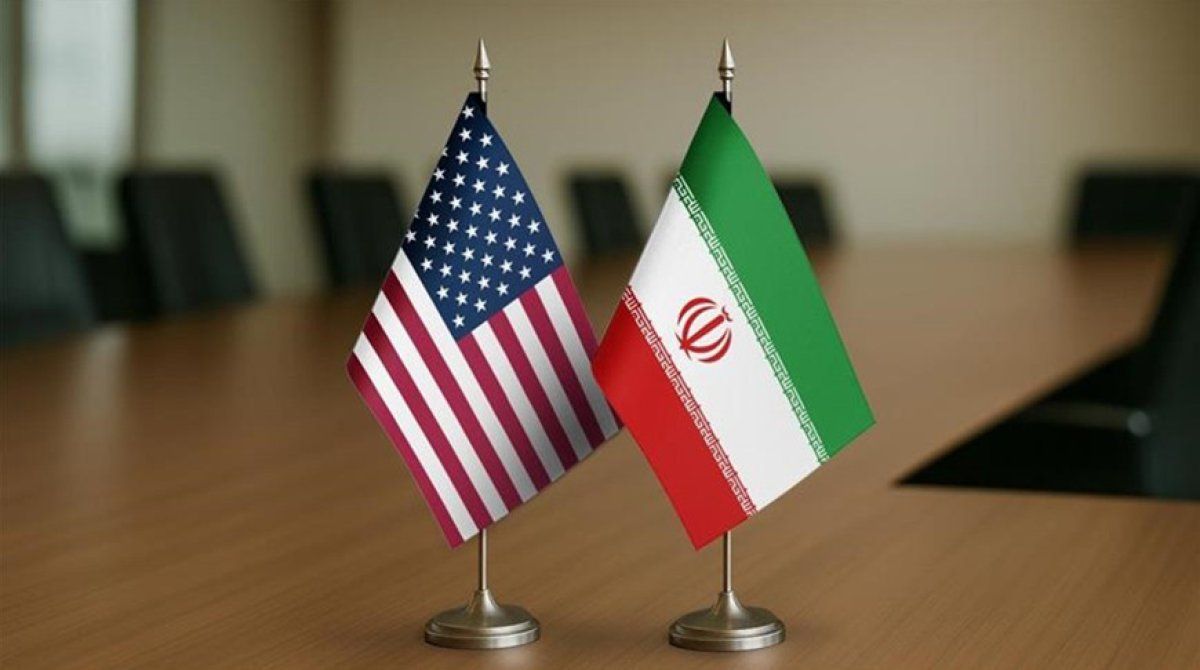
In the complex geopolitical theater of the Middle East, a familiar yet ever-evolving drama unfolds: the intricate relationship between the United States and Iran. Former U.S. President Donald Trump has recently reignited debate, asserting that Iran is grappling with severe financial difficulties amidst ongoing regional instability. This claim, disseminated via his social media platform Truth Social, paints a picture of a regime under significant economic duress, potentially paving the way for diplomatic shifts. Simultaneously, and perhaps contradictorily, reports suggest that Tehran has signaled a conditional openness to resume negotiations, adding layers of complexity to an already volatile situation.
Trump's pronouncements are not new; economic pressure has been a cornerstone of U.S. policy towards Iran for decades, intensified significantly during his presidency. The "maximum pressure" campaign, initiated by the Trump administration, aimed to cripple Iran's economy and force it back to the negotiating table for a more comprehensive deal than the 2015 Joint Comprehensive Plan of Action (JCPOA), from which the U.S. unilaterally withdrew. This latest claim, reported by AzerNEWS, underscores the persistent belief in Washington that economic sanctions are effectively weakening the Iranian regime's capacity to fund its regional proxies and nuclear ambitions.
The Weight of Sanctions: Iran's Economic Reality
Iran's economy has indeed been under immense strain. Decades of international sanctions, coupled with internal mismanagement and a reliance on oil exports, have taken a heavy toll. The U.S. withdrawal from the JCPOA in 2018 and the subsequent re-imposition of sanctions targeting Iran's oil, banking, and shipping sectors delivered a significant blow. The Iranian Rial has depreciated sharply, inflation has soared, and unemployment remains a persistent challenge, particularly among the youth. Essential goods have become more expensive, and foreign investment has largely dried up. Reports from international financial institutions and independent analysts consistently highlight the contraction of Iran's GDP and its struggle to access global financial markets.
This economic hardship has fueled sporadic but significant domestic protests against the government, often sparked by rising prices or fuel shortages. While the regime has consistently suppressed these demonstrations, their recurrence indicates a deep-seated public discontent. The claim of financial strain, therefore, resonates with observable economic indicators and the lived experiences of many ordinary Iranians. The question remains whether this pressure is sufficient to alter the regime's core foreign policy objectives or merely stiffen its resolve.
Tehran's Conditional Overtures: A Strategic Maneuver?
Against this backdrop of economic pressure, Iran's reported willingness to engage in talks is particularly noteworthy. However, this openness is not unconditional. While specific conditions are often shrouded in diplomatic ambiguity, past statements from Iranian officials suggest demands such as the lifting of sanctions, guarantees against future U.S. withdrawal from agreements, and respect for Iran's sovereignty. This stance reflects a strategic calculation: to portray itself as open to dialogue while simultaneously resisting what it perceives as external coercion.
Such signals could be interpreted in several ways. Firstly, it could be a genuine attempt to find a diplomatic off-ramp from the current economic crisis, recognizing that prolonged isolation is unsustainable. Secondly, it might be a tactical move to ease international pressure and divide the international community, particularly European nations who have often sought to preserve the JCPOA. Thirdly, it could be a means to manage domestic expectations and demonstrate to its populace that the government is exploring all avenues to alleviate suffering, even if the likelihood of immediate breakthroughs remains slim. The history of US-Iran negotiations is replete with such nuanced signaling, where public pronouncements often mask deeper strategic objectives.
Regional Implications and the Shadow of Proxy Conflicts
The U.S.-Iran dynamic is not confined to bilateral relations; it is the central axis around which much of Middle Eastern geopolitics revolves. Iran's financial health directly impacts its ability to support various non-state actors and allies across the region, including Hezbollah in Lebanon, Houthi rebels in Yemen, and various Shiite militias in Iraq and Syria. A weakened Iranian economy, as Trump suggests, could theoretically diminish Tehran's capacity to project power and influence, potentially altering the balance of power in ongoing proxy conflicts.
However, history also shows that economic pressure can sometimes lead to unintended consequences, including increased instability as regimes feel cornered. The current tensions in the Red Sea, involving Houthi attacks on shipping, and the ongoing shadow war between Iran and Israel, underscore the precarious regional environment. Any shift in U.S.-Iran relations, whether towards confrontation or dialogue, would have profound implications for regional stability, energy markets, and global security. Allies and adversaries alike are closely watching these developments, calibrating their own strategies in response.
The Path Forward: Diplomacy or Escalation?
The interplay between economic pressure and diplomatic signals presents a critical juncture for U.S.-Iran relations. For the U.S., the challenge lies in determining whether the current level of pressure is achieving its desired outcome or if it risks further destabilizing the region. For Iran, the dilemma is how to navigate severe economic hardship without compromising its perceived national interests and revolutionary ideals. The international community, particularly the European signatories of the JCPOA, continues to advocate for a diplomatic solution, emphasizing the need for de-escalation and a return to multilateral engagement.
The path forward is fraught with challenges. Trust between Washington and Tehran is at an all-time low, and domestic political considerations in both countries heavily influence foreign policy decisions. While Trump's claims of Iran's financial woes serve to justify past policies, Iran's conditional openness to talks offers a glimmer of hope, however faint, for a potential diplomatic thaw. The world watches to see if this intricate dance will lead to a new era of dialogue or further entrench the cycle of confrontation that has long defined this critical relationship. The stakes, for regional stability and global peace, could not be higher. The coming months will likely reveal whether economic strain can truly bend the arc of Iranian foreign policy towards sustained negotiation, or if the current standoff is merely a prelude to continued geopolitical friction.
Stay Informed
Get the world's most important stories delivered to your inbox.
No spam, unsubscribe anytime.
Comments
No comments yet. Be the first to share your thoughts!