Klaipėda's Green Horizon: Port Pioneers Shore Power for Sustainable Shipping
The Port of Klaipėda has embarked on a transformative journey towards environmental sustainability, commencing testing of its newly installed shore power equipment at two key terminals. This pioneering move aims to drastically cut vessel emissions and noise pollution, aligning with ambitious EU climate goals. As a strategic Baltic hub, Klaipėda's initiative sets a new benchmark for eco-friendly maritime operations, promising cleaner air and quieter communities while bolstering its competitive edge in a rapidly greening global shipping industry.
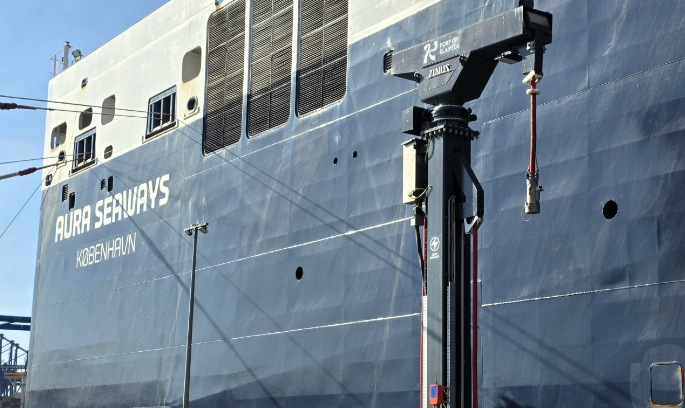
In a bold stride towards a greener maritime future, the Port of Klaipėda, Lithuania's largest and most vital seaport, has officially commenced testing of its newly installed shore power supply equipment. This pivotal development, implemented at two of its bustling terminals, marks a significant milestone in the port's commitment to environmental stewardship and sustainable operations. The initiative is poised to dramatically reduce vessel emissions and mitigate engine noise, offering a breath of fresh air—literally and figuratively—to both the port city and the broader Baltic Sea region.
For decades, ships at berth have relied on their auxiliary engines to power onboard systems, a practice that contributes substantially to air pollution through the release of nitrogen oxides (NOx), sulfur oxides (SOx), particulate matter (PM), and greenhouse gases (GHGs). This also generates considerable noise, impacting port communities. Klaipėda's adoption of shore power, also known as 'cold ironing,' allows vessels to plug into the port's electrical grid, effectively shutting down their diesel generators. This not only cleans the air but also significantly reduces noise pollution, enhancing the quality of life for residents and improving working conditions for port personnel.
A Strategic Investment in Environmental Leadership
The installation of shore power facilities at the Central Klaipėda Terminal and the cruise and cargo terminal represents a substantial investment in cutting-edge infrastructure. While the source description mentions only two terminals, the Central Klaipėda Terminal is explicitly named, implying a strategic focus on areas with high vessel traffic and proximity to urban centers. This targeted approach ensures maximum impact on emission reduction where it is most needed. The testing phase is crucial, ensuring that the complex electrical systems, safety protocols, and operational procedures are fully functional and seamlessly integrated before full-scale implementation. This meticulous process underscores the port's dedication to reliability and efficiency, critical factors for attracting and retaining maritime traffic.
This move is not merely a local initiative; it is deeply intertwined with broader European Union directives and global environmental targets. The EU has been a vocal proponent of decarbonizing the maritime sector, with regulations like the FuelEU Maritime initiative and the inclusion of shipping in the EU Emissions Trading System (ETS) pushing ports and shipping lines towards cleaner solutions. Klaipėda's proactive stance positions it as a leader in this transition, potentially setting a precedent for other Baltic and European ports. The port's alignment with these ambitious goals not only strengthens its environmental credentials but also enhances its competitive advantage in a global shipping landscape increasingly prioritizing sustainability.
The Technical Backbone: How Shore Power Works
Shore power technology, while seemingly straightforward in concept, involves sophisticated engineering. It requires robust electrical infrastructure capable of delivering high-voltage power from the national grid directly to berthed ships. This typically involves specialized transformers, frequency converters (as shipboard systems often operate at different frequencies than national grids, e.g., 60 Hz vs. 50 Hz), and standardized connection points. The International Electrotechnical Commission (IEC) 80005-1 standard governs these connections, ensuring interoperability between vessels and shore-side facilities worldwide. This standardization is vital for the widespread adoption of cold ironing, allowing ships equipped with compatible systems to benefit from shore power in any compliant port.
The Port of Klaipėda's investment likely includes these critical components, ensuring that a diverse range of vessels, from container ships and ferries to cruise liners, can utilize the new facilities. The testing phase will rigorously evaluate the stability of the power supply, the efficiency of the connection process, and the safety mechanisms in place to protect both port infrastructure and ship crews. Successful testing will pave the way for a phased rollout, gradually increasing the number of berths offering shore power and encouraging shipping companies to adapt their fleets to this greener technology.
Economic and Environmental Dividends
The benefits of shore power extend far beyond immediate emission reductions. Environmentally, the shift to grid electricity significantly lowers the port's carbon footprint, contributing to improved air quality in Klaipėda and surrounding areas. A study by the European Environment Agency (EEA) estimated that emissions from ships in ports contribute significantly to urban air pollution, particularly PM2.5 and NOx, which are linked to respiratory and cardiovascular diseases. By eliminating the need for auxiliary engines, Klaipėda is directly addressing these public health concerns.
Economically, while the initial investment in shore power infrastructure is substantial, the long-term benefits can be considerable. Shipping companies may see reduced fuel consumption for auxiliary engines, lower maintenance costs for these engines, and potentially avoid future carbon taxes or penalties associated with emissions. For the port, offering shore power can attract environmentally conscious shipping lines, enhancing its reputation and market share. Furthermore, the integration of shore power can support the development of a smart port ecosystem, where energy management and operational efficiency are optimized through digital solutions. This could lead to more predictable energy demand, better grid stability, and even opportunities for integrating renewable energy sources into the port's power supply.
Challenges and the Path Forward
Despite the clear advantages, the widespread adoption of shore power faces several challenges. One primary hurdle is the high upfront cost of installation, both for ports and for vessels needing retrofitting. Compatibility issues, given the varied electrical systems on different ships, also present a technical complexity that requires standardized solutions. Moreover, the source of electricity matters; for shore power to be truly 'green,' the electricity supplied must ideally come from renewable sources. Lithuania, with its increasing investment in wind and solar power, is well-positioned to ensure that the electricity supplied to Klaipėda's port is increasingly clean.
The Port of Klaipėda's initiative is a testament to its forward-thinking leadership and its commitment to overcoming these challenges. The successful completion of the testing phase will be a critical step, followed by the gradual expansion of shore power availability and continuous engagement with shipping lines to encourage adoption. This journey will likely involve partnerships with energy providers, technology developers, and international maritime organizations to share best practices and drive further innovation.
In conclusion, the commencement of shore power testing at the Port of Klaipėda is more than just a technical upgrade; it is a powerful declaration of intent. It signifies a future where maritime commerce and environmental responsibility are not mutually exclusive but rather deeply intertwined. As the world grapples with climate change and the imperative for sustainable development, Klaipėda's pioneering efforts serve as a beacon, illuminating a path towards cleaner ports, healthier communities, and a more sustainable global shipping industry. The Baltic Sea, a vital artery of European trade, is poised to become a cleaner, quieter corridor, thanks to the vision and dedication of ports like Klaipėda.
Stay Informed
Get the world's most important stories delivered to your inbox.
No spam, unsubscribe anytime.
Comments
No comments yet. Be the first to share your thoughts!