Life Sentences for Zimbabwean Child Traffickers in SA: A Landmark Ruling Against Modern Slavery
The Gauteng High Court in Johannesburg has handed down four life sentences each to three Zimbabwean nationals for their involvement in a heinous 2022 child trafficking ring. This landmark conviction of Hilda Tenega, Sthembiso Mlauzi, and Kumburai Andrew Masimo underscores South Africa's firm stance against human trafficking. The ruling sends a powerful message, highlighting the severe consequences for those who exploit vulnerable children across borders. It also brings renewed focus to the persistent challenges of cross-border crime and the global fight against modern slavery.
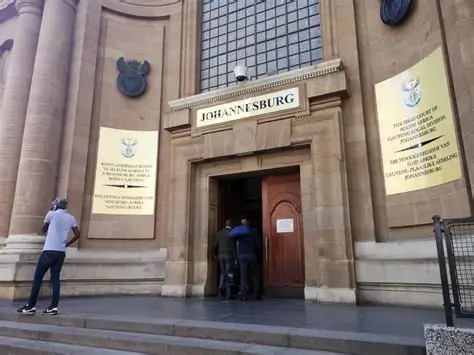
In a powerful declaration against the insidious crime of modern slavery, the Gauteng High Court in Johannesburg has delivered a landmark ruling, sentencing three Zimbabwean nationals to four life sentences each for their roles in a horrific 2022 child trafficking case. The conviction of Hilda Tenega, Sthembiso Mlauzi, and Kumburai Andrew Masimo marks a significant victory for justice and a stark warning to those who prey on the most vulnerable members of society. This decisive judgment not only brings a measure of closure to the victims and their families but also spotlights the persistent and complex challenges of human trafficking across African borders.
The court found the trio guilty of multiple grave offenses, including human trafficking, fraud, possession of fraudulent documents, and violating immigration laws. The severity of the sentences reflects the profound societal harm inflicted by their actions, emphasizing that the exploitation of children for illicit gain will be met with the full force of the law. This case, originating from a 2022 investigation, unravels a chilling narrative of deception and exploitation, where innocent lives were commodified and transported across international boundaries under false pretenses, often with promises of a better life that quickly turned into a nightmare of servitude and abuse.
The Anatomy of a Trafficking Ring: Deception and Exploitation
The details emerging from the trial painted a grim picture of the methods employed by the traffickers. Typically, victims, often from impoverished rural areas, are lured with false promises of education, lucrative employment, or opportunities for a brighter future in a neighboring country. In this specific case, the modus operandi likely involved exploiting the economic vulnerabilities prevalent in certain regions of Zimbabwe, where families, desperate for any chance to improve their circumstances, might unknowingly entrust their children to traffickers. The use of fraudulent documents was central to their operation, allowing them to circumvent immigration controls and transport their victims across the Beitbridge border post, a notoriously busy crossing between Zimbabwe and South Africa.
Once in South Africa, these children are often subjected to various forms of exploitation, including forced labor, sexual exploitation, domestic servitude, or even forced begging. The psychological trauma inflicted on these young victims is often profound and long-lasting, leaving scars that may never fully heal. The conviction of Tenega, Mlauzi, and Masimo underscores the sophisticated and organized nature of these criminal enterprises, which often operate with networks spanning multiple countries, making detection and prosecution exceedingly difficult.
South Africa: A Hub for Trafficking and a Battleground for Justice
South Africa, with its relatively robust economy and porous borders, has unfortunately become both a destination and transit country for human trafficking. The country's Department of Justice and Constitutional Development acknowledges the severity of the problem, with numerous cases involving both internal and cross-border trafficking. Statistics, though often underreported due to the clandestine nature of the crime, suggest thousands of individuals, a significant portion of whom are children, are trafficked annually within or into South Africa. The country's strategic location, coupled with socio-economic disparities in neighboring states, creates a fertile ground for traffickers to operate.
However, this ruling demonstrates South Africa's commitment to combating this heinous crime. The country has ratified key international instruments, including the Palermo Protocol, and has its own Prevention and Combating of Trafficking in Persons Act (Act 7 of 2013). This legislation provides a comprehensive legal framework for prosecuting traffickers and protecting victims. The successful prosecution in the Gauteng High Court serves as a testament to the dedication of law enforcement, prosecutors, and civil society organizations working tirelessly to bring perpetrators to justice and support survivors.
The Broader Context: Regional and Global Fight Against Trafficking
The sentencing of these three individuals is not an isolated incident but rather a crucial piece in the larger, ongoing regional and global fight against human trafficking. Southern Africa, in particular, faces significant challenges due to high levels of poverty, unemployment, and migration, which are exacerbated by climate change and political instability. These factors create a pool of vulnerable individuals susceptible to exploitation by criminal syndicates.
Organizations like the International Organization for Migration (IOM) and UNICEF consistently highlight the urgent need for cross-border cooperation, intelligence sharing, and coordinated law enforcement efforts to dismantle these networks. The success of this case likely involved collaboration between South African and Zimbabwean authorities, demonstrating the effectiveness of such partnerships. Furthermore, public awareness campaigns are vital to educate communities about the dangers of trafficking and how to identify and report suspicious activities.
Implications and the Path Forward
The imposition of four life sentences sends an unequivocal message: the trade in human lives will not be tolerated. This ruling sets a precedent that could empower other courts in the region to hand down equally stringent sentences, thereby strengthening the deterrent effect against trafficking. For the victims, while justice has been served against their perpetrators, the journey to recovery is often long and arduous, requiring comprehensive support systems including psychological counseling, rehabilitation, and reintegration programs.
Moving forward, sustained efforts are needed on multiple fronts. Governments must continue to strengthen legislative frameworks, enhance border security, and invest in training for law enforcement and judicial personnel. Crucially, addressing the root causes of vulnerability – poverty, lack of education, and inequality – remains paramount. By fostering economic opportunities and social safety nets, communities can become more resilient to the false promises of traffickers. This landmark judgment in Johannesburg is a beacon of hope, but the fight against child trafficking is far from over; it demands unwavering vigilance and collective action from all corners of society to ensure that every child's right to safety and dignity is protected.
Stay Informed
Get the world's most important stories delivered to your inbox.
No spam, unsubscribe anytime.
Comments
No comments yet. Be the first to share your thoughts!