Oil Soars to Wartime Highs Amid Reports of New US Military Options for Iran
Global oil markets are in turmoil as Brent crude surged to a wartime peak following reports that US President Donald Trump is being briefed on potential military actions against Iran. This development signals a significant escalation of Middle East tensions, fueling fears of supply disruptions and sending shockwaves through the global economy. Analysts warn of sustained volatility as geopolitical risks intensify.
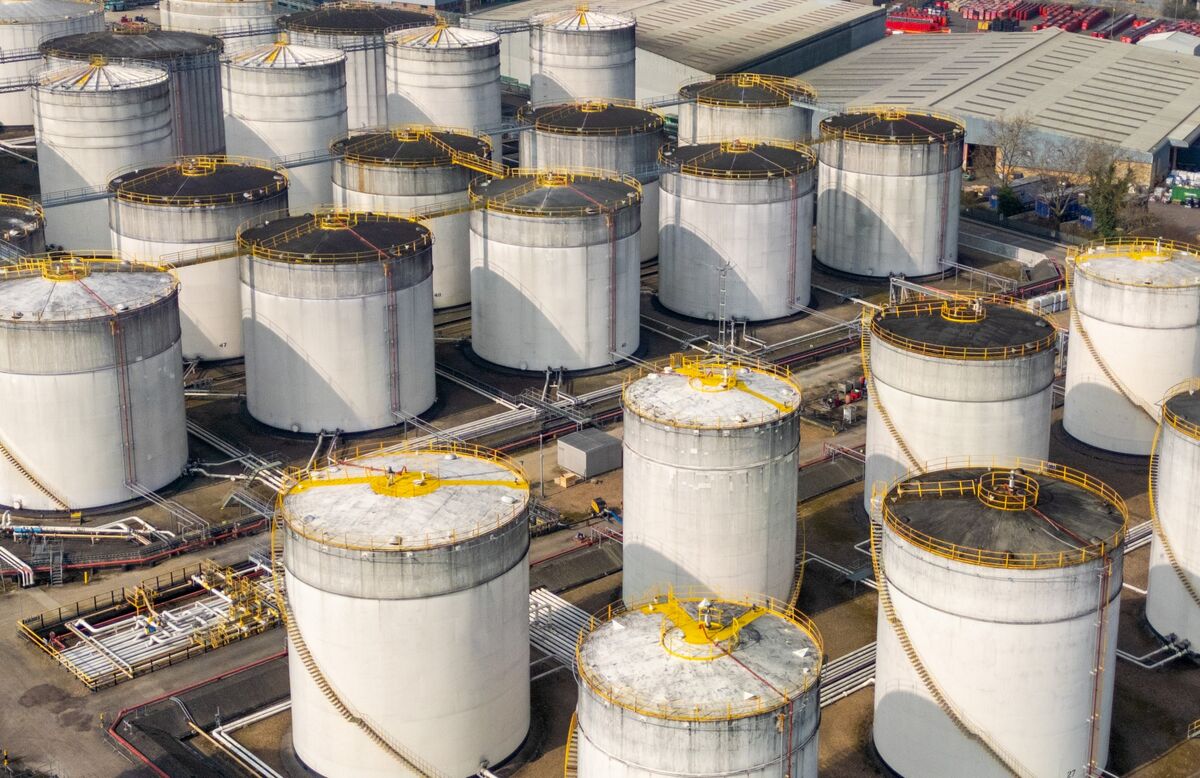
The global energy landscape is once again gripped by uncertainty, as Brent crude, the international benchmark for oil prices, has surged to a wartime high. This dramatic escalation comes on the heels of reports from Axios indicating that US President Donald Trump is slated to receive a briefing on new military options for action in Iran. The news has sent immediate shockwaves through financial markets, signaling a potential for fresh and dangerous escalation in the already volatile Middle East.
For investors, policymakers, and consumers alike, the implications are profound. A military confrontation, or even the credible threat of one, in a region responsible for a significant portion of the world's oil supply, invariably translates to higher energy costs, increased inflation, and a palpable sense of geopolitical instability. The current rally is not merely a knee-jerk reaction; it reflects a deep-seated anxiety about the fragility of global supply chains and the potential for a wider conflict that could choke off vital oil transit routes.
The Geopolitical Powder Keg: US-Iran Tensions
The relationship between the United States and Iran has been fraught with tension for decades, marked by periods of confrontation and uneasy detente. The current administration in Washington has adopted a particularly hawkish stance, withdrawing from the Joint Comprehensive Plan of Action (JCPOA), commonly known as the Iran nuclear deal, in 2018. This withdrawal, coupled with the re-imposition of stringent sanctions, has been a major point of contention, severely impacting Iran's economy, particularly its ability to export oil.
Iran, in response, has often signaled its willingness to retaliate against perceived aggressions, frequently invoking the Strait of Hormuz, a critical maritime choke point through which approximately one-fifth of the world's oil supply passes daily. Any disruption to shipping in this strait, whether through direct conflict, naval blockades, or even heightened security measures, would have immediate and catastrophic consequences for global oil prices and economic stability. The current reports of military options suggest a dangerous new phase in this already perilous standoff, moving beyond economic pressure to potentially kinetic actions.
Historically, similar escalations have led to significant oil price spikes. For instance, during the 1973 oil crisis or the 1990 Gulf War, geopolitical events in the Middle East directly translated into energy market turmoil. While the global energy mix has diversified since then, oil remains a foundational commodity, and its price volatility has far-reaching effects on transportation, manufacturing, and consumer spending worldwide.
Market Reaction and Economic Fallout
The immediate market reaction to the Axios report was swift and decisive. Brent crude futures, already trading at elevated levels, saw a sharp upward trajectory, pushing prices into territory not seen since previous major conflicts. This surge is driven by a risk premium, where traders factor in the increased likelihood of supply disruptions. The fear is not just about direct damage to oil infrastructure but also about the potential for insurance costs for shipping to skyrocket, making crude more expensive to transport, or even the possibility of outright blockades.
* Supply Concerns: Iran is a significant oil producer, and any military action could disrupt its output or, more critically, impact the flow of oil from neighboring Gulf states. The Strait of Hormuz is a key vulnerability. * Demand Impact: While higher oil prices generally dampen global economic growth, the immediate concern is supply. However, sustained high prices could lead to reduced consumer spending and corporate investment, potentially tipping fragile economies into recession. * Inflationary Pressure: Energy costs are a primary component of inflation. A sustained rally in oil prices would exacerbate inflationary pressures globally, forcing central banks to consider tighter monetary policies, which could further slow economic growth.
Beyond crude oil, the ripple effects are felt across other asset classes. Equity markets often react negatively to geopolitical uncertainty, with defense stocks sometimes seeing gains while broader indices suffer. Gold, typically a safe-haven asset, tends to appreciate in such environments. The dollar's strength might also be influenced as investors seek stability.
Expert Analysis and Future Scenarios
Energy analysts and geopolitical strategists are closely monitoring the situation, offering a range of potential scenarios. "This isn't just about what might happen, but the perception of what might happen," explains Dr. Anya Sharma, a senior energy economist at Global Insights Group. "The market is pricing in a significant probability of disruption, even if direct military action is not inevitable. The mere fact that 'military options' are on the table is enough to create this kind of volatility."
One scenario involves a limited, targeted strike aimed at deterring Iranian actions or capabilities. While potentially less disruptive than a full-scale conflict, even a limited engagement carries the risk of miscalculation and unintended escalation. Another, more severe scenario, envisions a broader regional conflict, which could involve proxies and lead to widespread disruption of oil production and transit.
"The key question," notes former diplomat and Middle East expert, Ambassador John Davies, "is the nature of these 'military options.' Are they defensive, aimed at protecting US interests or allies, or are they offensive, designed to cripple Iranian capabilities? The distinction is crucial for understanding the potential for escalation and the market's long-term reaction." He emphasizes the importance of diplomatic channels, however strained, to de-escalate the situation and prevent a catastrophic outcome.
The Road Ahead: Navigating Uncertainty
The coming days and weeks will be critical in determining the trajectory of oil markets and the broader geopolitical landscape. The briefing to President Trump will undoubtedly be followed by statements and actions that could either calm or further inflame tensions. Market participants will be scrutinizing every piece of news, from official government pronouncements to intelligence leaks, for clues about the likelihood and nature of any potential military engagement.
For global economies, the challenge lies in navigating this period of heightened uncertainty. Governments may need to consider strategic petroleum reserves to cushion the blow of supply disruptions, while businesses will have to factor in higher energy costs into their operational planning. Consumers, meanwhile, should brace for potentially higher prices at the pump and increased costs for goods and services.
Ultimately, the current oil rally serves as a stark reminder of the interconnectedness of geopolitics and global economics. The Middle East remains a vital artery for the world's energy supply, and any tremor in its stability sends ripples across the globe. The international community, therefore, faces the urgent task of finding pathways to de-escalation, even as the specter of conflict looms large over the horizon. The price of oil, in this context, is not just a number; it is a barometer of global anxiety.
Stay Informed
Get the world's most important stories delivered to your inbox.
No spam, unsubscribe anytime.
Comments
No comments yet. Be the first to share your thoughts!