Persian Gulf Crisis: How 2026 Conflict Reshaped Global Shipping and Charterparty Law
The 2026 US-Israel-Iran conflict plunged Persian Gulf shipping into chaos, reducing vital oil trade to a trickle. This unprecedented disruption triggered a wave of complex charterparty disputes, forcing a re-evaluation of maritime law, force majeure clauses, and the future of global supply chains. The crisis highlighted the critical vulnerability of key chokepoints and the ripple effect on international commerce.
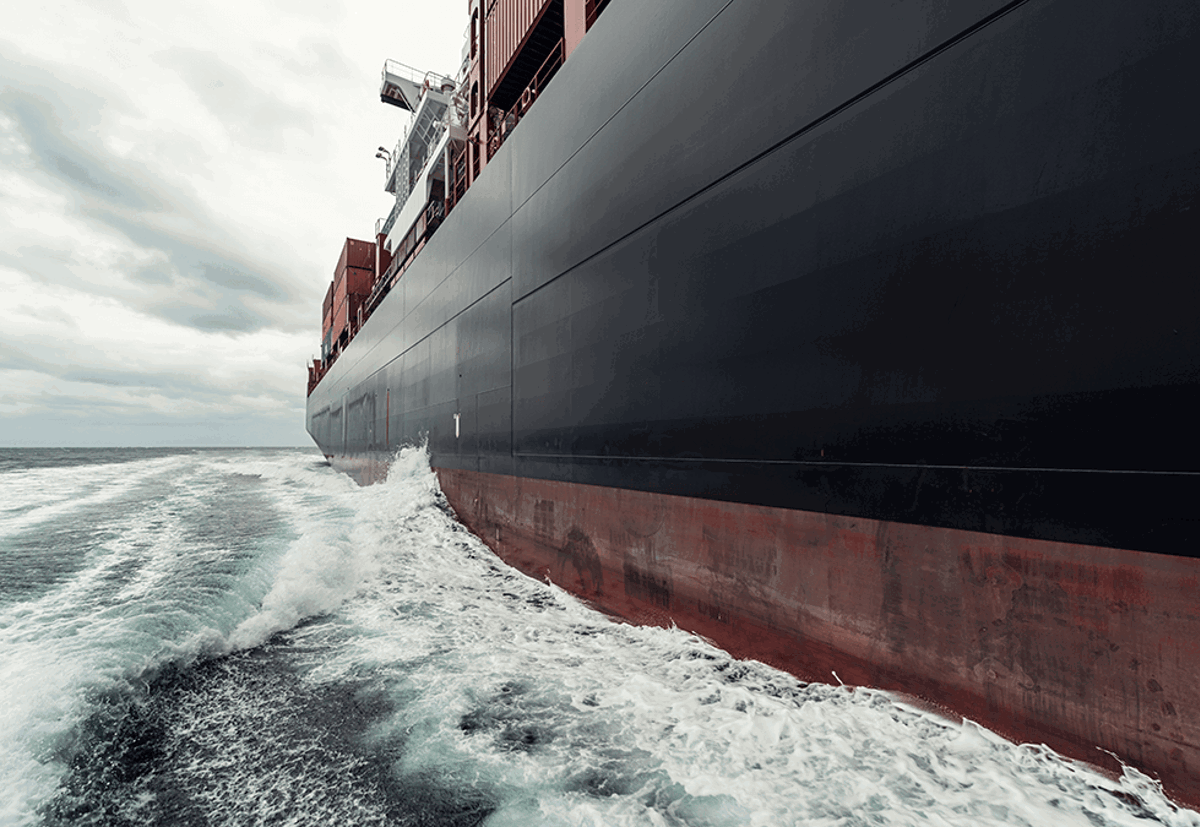
The year 2026 will forever be etched in the annals of global commerce as the moment the seemingly unshakeable foundations of international shipping were violently rocked. A devastating conflict involving the United States, Israel, and Iran erupted, turning the Persian Gulf – a vital artery for global energy – into a perilous warzone. What followed was an unprecedented disruption to maritime trade, particularly for crude oil and refined products, sending shockwaves through supply chains worldwide and igniting a firestorm of complex charterparty disputes that continue to redefine maritime law.
Normally, the Persian Gulf and its narrow Strait of Hormuz channel approximately a quarter of the world's seaborne oil trade. In the wake of the 2026 conflict, this colossal volume plummeted to less than 10% of normal levels. The implications were immediate and catastrophic: soaring freight rates, paralyzed vessels, and a frantic scramble by commodity traders and shipping companies to navigate a legal and logistical minefield. This crisis wasn't just about geopolitics; it was a stark reminder of the fragile interconnectedness of global trade and the profound legal challenges that arise when critical chokepoints become contested territories.
The Anatomy of a Shipping Crisis: From Geopolitics to Gridlock
The conflict's genesis lies in escalating regional tensions that had simmered for decades, finally boiling over into direct military confrontation. As hostilities intensified, the Persian Gulf became a high-risk area, with naval blockades, missile threats, and the very real danger of collateral damage to commercial vessels. Insurance premiums for voyages into and out of the region skyrocketed, often becoming prohibitively expensive or entirely unavailable. Many shipowners, faced with the existential threat to their assets and crews, declared the region unsafe, refusing to enter the Gulf.
This immediate cessation of normal operations created a logistical nightmare. Tankers laden with crude oil found themselves stranded, unable to discharge their cargo or proceed to their next port of call. Vessels en route to the Gulf were forced to divert, incurring massive additional costs and delays. The global oil market reacted violently, with prices surging to historic highs as supply fears gripped traders. The ripple effect was felt across industries, from manufacturing to transportation, as energy costs spiraled and the reliability of supply chains evaporated. The crisis underscored the strategic importance of the Strait of Hormuz, not just as an energy conduit, but as a barometer of global economic stability.
Charterparty Disputes: A Legal Labyrinth Unravels
At the heart of the commercial chaos were the charterparty agreements – the contracts governing the hire of a ship. These complex documents, typically drafted with meticulous detail, suddenly faced scenarios they were never truly designed to handle. The primary legal battlegrounds emerged around several key clauses:
* Force Majeure: This clause, often seen as boilerplate, became the most invoked and fiercely contested. Did the conflict constitute an event beyond the control of the parties, excusing performance? Courts and arbitrators grappled with defining the scope of the conflict's impact and whether specific events (e.g., a missile strike, a blockade, or an extreme insurance premium hike) truly triggered force majeure. * Frustration of Contract: For voyages rendered impossible or commercially unfeasible, parties argued that the contract had been 'frustrated.' This doctrine, which terminates a contract when an unforeseen event makes its performance radically different from what was originally agreed, was applied in cases where vessels were indefinitely stranded or diversion routes made the original purpose of the charter obsolete. * Safe Port/Safe Berth Clauses: Charterparties often stipulate that the charterer must nominate a 'safe port.' The definition of 'safety' became highly subjective in a warzone. Was a port still 'safe' if the approach waters were mined, or if the risk of attack was deemed high, even if no direct attack had occurred? This led to disputes over whether owners were justified in refusing to proceed to nominated ports. * War Risk Clauses: Many charterparties include specific clauses addressing war risks, allowing owners to refuse to proceed to certain areas or demand additional compensation. The interpretation of these clauses, particularly regarding the thresholds for 'imminent danger' or 'hostilities,' became central to many arbitrations. * Detention and Demurrage: With vessels stranded or diverted, the accumulation of demurrage (penalties for delays in loading/unloading) and detention (compensation for the owner's loss of use of the vessel) reached staggering figures, leading to bitter disputes over who bore the financial responsibility for these unforeseen delays.
Legal firms specializing in maritime law saw an unprecedented surge in caseloads. London, Singapore, and New York arbitration centers became hubs for these complex disputes, with legal teams poring over contract language, geopolitical intelligence, and expert testimonies to determine liability and damages. The sheer volume and complexity of these cases pushed the boundaries of existing legal precedents, forcing a re-evaluation of how future contracts should account for extreme geopolitical risks.
The Broader Economic Fallout and Future Implications
The economic fallout extended far beyond the immediate shipping industry. Global oil prices, though eventually stabilizing, remained elevated, contributing to inflationary pressures worldwide. Supply chains, already strained by previous disruptions, were forced to re-evaluate their reliance on single chokepoints. Companies began exploring alternative energy sources, diversifying their shipping routes, and investing in greater inventory buffers to mitigate future shocks. The crisis accelerated discussions around energy independence and the strategic importance of regional energy security.
Furthermore, the 2026 conflict served as a stark warning about the potential for regional conflicts to escalate into global economic crises. It highlighted the need for robust international frameworks to manage such risks and for greater foresight in contract drafting. The maritime insurance market underwent significant restructuring, with new clauses and higher premiums introduced to reflect the heightened risk environment. The concept of 'war risk' in shipping contracts is now far more granular and explicitly defined.
Redefining Resilience: Lessons Learned and the Path Forward
The 2026 Persian Gulf crisis was a crucible for the global shipping industry and maritime law. It exposed critical vulnerabilities in global supply chains and the limitations of traditional contractual frameworks in the face of extreme geopolitical events. The lessons learned are profound: the imperative for greater supply chain resilience, the critical need for clear and comprehensive force majeure and war risk clauses in charterparties, and the understanding that no chokepoint is truly immune to disruption.
Moving forward, the industry is investing heavily in predictive analytics and geopolitical risk assessment to anticipate and mitigate future disruptions. There's a growing emphasis on diversification of routes and energy sources, alongside a renewed focus on international cooperation to safeguard critical maritime passages. While the scars of 2026 remain, the crisis has undeniably spurred innovation and a more robust, albeit more cautious, approach to global maritime trade. The legal precedents set during this period will undoubtedly shape charterparty agreements for decades to come, ensuring that the lessons of the Persian Gulf's turmoil are not forgotten.
Stay Informed
Get the world's most important stories delivered to your inbox.
No spam, unsubscribe anytime.
Comments
No comments yet. Be the first to share your thoughts!