Pixel Buds' Disappearing ANC Toggle: A Deep Dive into Google's Latest Audio Conundrum
Google Pixel Buds users are reporting a frustrating bug where Active Noise Cancellation (ANC) and Transparency mode toggles vanish or delay appearing in Quick Audio settings. This widespread issue, impacting various Pixel Buds models, highlights ongoing software stability challenges for Google's audio hardware. We explore the technical implications, user frustration, and Google's response to this persistent problem.
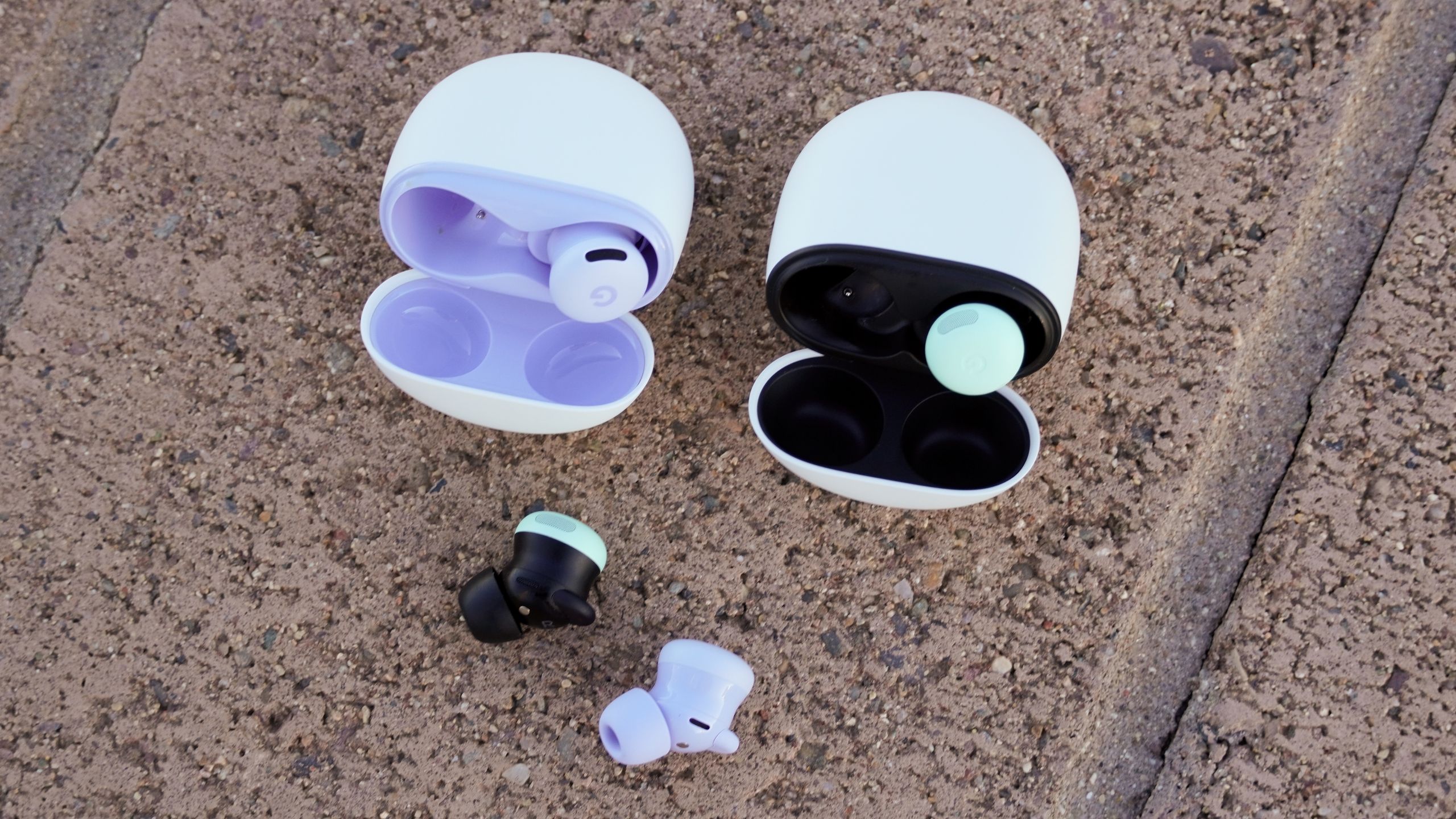
In the fast-evolving world of personal audio, where seamless connectivity and advanced features like Active Noise Cancellation (ANC) are no longer luxuries but expected standards, a peculiar and frustrating bug has emerged to plague users of Google's Pixel Buds. Reports are flooding in from a dedicated community of users, detailing an annoying glitch where the crucial toggles for ANC and Transparency modes either vanish entirely from the Quick Audio settings menu or take an agonizing 30 seconds or more to appear. This isn't just a minor inconvenience; it's a significant disruption to the core functionality of premium earbuds designed for an immersive, uninterrupted listening experience.
The Disappearing Act: Unpacking the User Experience
The heart of the problem lies in the user interface, specifically within the Quick Audio settings, a feature designed for rapid control over sound profiles. Imagine settling into a noisy commute, reaching for your Pixel Buds' settings to activate ANC, only to find the option missing. Or, perhaps, you're trying to quickly switch to Transparency mode to hear an announcement, but the toggle remains elusive, forcing you to fumble through menus or wait impatiently. This is the reality for a growing number of Pixel Buds users, spanning various models including the Pixel Buds Pro and potentially others. The frustration is palpable across online forums and social media, with users describing the issue as intermittent but persistent, often requiring a full unpairing and re-pairing, or even a factory reset, to temporarily resolve the problem – a cumbersome workaround that undermines the very notion of 'quick' settings.
This isn't merely a cosmetic bug. ANC and Transparency modes are fundamental selling points for high-end earbuds. They offer users control over their auditory environment, allowing them to block out distractions or stay aware of their surroundings. When these controls become unreliable, the utility and value proposition of the Pixel Buds diminish significantly. Users invest in these devices for their smart features and seamless integration with the Google ecosystem, and such basic functionality failures erode trust and satisfaction.
A History of Hiccups: Google's Software Stability Challenges
Google's journey into the hardware space, particularly with its Pixel line of devices, has been marked by innovation but also by a recurring theme of software glitches. From early Pixel phone battery drain issues to camera bugs and connectivity problems, the company has often struggled to deliver the polished, bug-free experience that competitors like Apple have largely mastered. The Pixel Buds themselves have not been immune. Previous generations faced connectivity dropouts, charging case issues, and fit problems, many of which were eventually addressed through firmware updates. However, the current ANC toggle issue suggests a deeper, perhaps systemic, challenge in maintaining software stability across its diverse hardware portfolio.
This pattern raises questions about Google's quality assurance processes and its ability to iron out kinks before widespread release. While software development is inherently complex, and bugs are an inevitable part of the process, persistent and fundamental issues like a disappearing ANC toggle point to potential gaps in testing or an inability to quickly diagnose and deploy effective fixes. For a company that prides itself on software prowess, these hardware-software integration challenges are particularly noteworthy and concerning for consumers.
Technical Underpinnings and Potential Causes
The exact technical cause of the disappearing ANC toggle remains officially unconfirmed by Google, but speculation among tech experts and developers points to several possibilities. One leading theory involves a race condition or timing issue within the Android system's audio framework or the Pixel Buds' companion app. When the Quick Audio settings panel is invoked, the system attempts to query the Pixel Buds for their current status and available features. If there's a delay in the earbuds responding, or if the system times out before receiving the necessary data, the toggles might fail to render. This could explain why some users report a significant delay rather than a complete absence.
Another possibility relates to firmware inconsistencies between the Pixel Buds and the host Android device. A recent Android system update or a Pixel Buds firmware update might have introduced a compatibility conflict, causing the communication handshake between the device and the earbuds to falter. Furthermore, power management optimizations on the Android device could be aggressively suspending background processes or services essential for the Quick Audio settings to function correctly, especially if the earbuds have been idle for a period.
* Firmware Mismatch: Discrepancies between Pixel Buds firmware and Android OS versions. * App Glitches: Bugs within the Pixel Buds companion app or the system's audio settings module. * Resource Contention: System resources being tied up, preventing timely rendering of UI elements. * Bluetooth Stack Issues: Problems within the Bluetooth Low Energy (BLE) communication protocol.
Understanding these potential causes is crucial for Google to develop a targeted and effective patch. The intermittent nature of the bug further complicates diagnosis, as it doesn't consistently reproduce under all conditions, making it harder to pinpoint the exact trigger.
The Impact on User Trust and Brand Perception
For a brand like Google, which strives to be a leader in both software and hardware, persistent issues like the disappearing ANC toggle can have significant ramifications. User trust is a fragile commodity, built over years of reliable performance and shattered by repeated frustrations. When core functionalities of a premium product become unreliable, consumers begin to question the brand's commitment to quality and user experience. This can lead to a reluctance to invest in future Google hardware, potentially driving customers towards competitors who offer more stable and consistent performance.
Moreover, in the highly competitive audio market, where brands like Sony, Bose, and Apple offer robust ANC solutions, Google needs to demonstrate unwavering reliability. A bug that directly impacts a key feature like ANC can be a deal-breaker for many, especially those who rely on these features for work, travel, or daily concentration. The collective voice of frustrated users on platforms like Reddit serves as a powerful indicator of eroding satisfaction, a signal that Google cannot afford to ignore.
Moving Forward: Google's Response and Future Outlook
As of now, Google has acknowledged the issue, with community managers on official forums stating they are investigating the reports. This is a standard first step, but users are eagerly awaiting a concrete timeline for a fix. The ideal resolution would come in the form of a firmware update for the Pixel Buds, or a software patch delivered through a system update or an update to the Pixel Buds app. Given the nature of the bug, a combination of these might be necessary to address all underlying causes.
Looking ahead, this incident underscores the critical importance of robust quality assurance and thorough testing in the product development lifecycle. For Google, it's an opportunity to learn and reinforce its commitment to hardware excellence. Moving forward, the company must not only fix the current bug but also implement more stringent testing protocols to prevent similar issues from reaching consumers. The future success of Pixel Buds and Google's broader hardware ambitions hinges on its ability to consistently deliver a seamless, reliable, and delightful user experience, free from such frustrating disappearing acts. Users expect their premium devices to work, and they expect Google to uphold its reputation for technological prowess with unwavering reliability.
Stay Informed
Get the world's most important stories delivered to your inbox.
No spam, unsubscribe anytime.
Comments
No comments yet. Be the first to share your thoughts!