Putin's Pledge: Russia Reaffirms Support for Iran Amidst Geopolitical Tensions and Stalled US Talks
Russian President Vladimir Putin recently met with Iranian Foreign Minister Abbas Araghchi, pledging Russia's continued support for Iran during a 'difficult period' and expressing hopes for peace. This high-level meeting underscores the deepening strategic alliance between Moscow and Tehran, particularly as Iran navigates ongoing international pressures and stalled negotiations with the United States. The discussions highlight Russia's pivotal role in bolstering Iran's geopolitical standing and influencing regional dynamics.
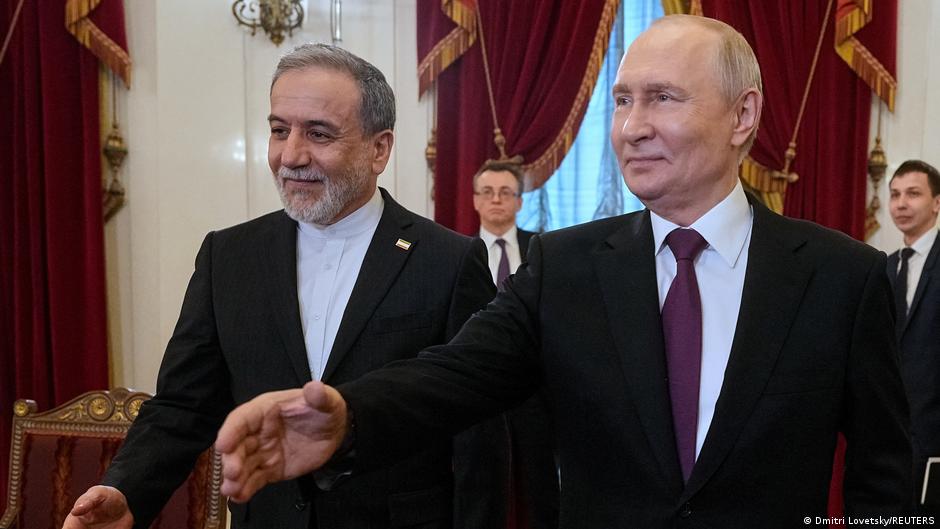
In a significant diplomatic maneuver that underscores the intricate web of global alliances, Russian President Vladimir Putin recently hosted Iranian Foreign Minister Abbas Araghchi in St. Petersburg. The meeting, held amidst a backdrop of escalating regional tensions and stalled international negotiations, saw Putin pledge Russia's unwavering support for Iran, expressing hope for an imminent resolution to the 'difficult period' the Islamic Republic faces. This high-stakes encounter not only reaffirms the deepening strategic ties between Moscow and Tehran but also signals Russia's continued commitment to bolstering its key Middle Eastern ally against external pressures, particularly from the West.
The timing of Araghchi's visit is crucial. It comes as talks between Iran and the United States remain suspended, leaving the future of the Joint Comprehensive Plan of Action (JCPOA), commonly known as the Iran nuclear deal, in a precarious state. For Iran, Russia represents a vital counterweight to Western influence and a reliable partner in navigating complex geopolitical challenges. For Russia, strengthening its alliance with Iran serves its broader strategic objectives in the Middle East, challenging the unipolar world order and projecting its power globally.
A Shared Vision: Countering Western Hegemony
The relationship between Russia and Iran is rooted in a shared skepticism of Western, particularly American, foreign policy. Both nations have faced extensive sanctions from the United States and its allies, fostering a sense of solidarity and a common interest in developing alternative economic and security frameworks. This alignment has manifested in various forms, from military cooperation in Syria to economic partnerships designed to circumvent Western financial systems. The meeting between Putin and Araghchi can be seen as a reaffirmation of this anti-hegemonic stance, sending a clear message to Washington that Iran is not isolated and has powerful allies willing to stand by it.
Historically, Russia and Iran have had a complex relationship, marked by periods of cooperation and competition. However, in the post-Cold War era, and especially since the early 2000s, their strategic convergence has become more pronounced. Russia's intervention in Syria in 2015, in support of Bashar al-Assad's regime, saw Moscow and Tehran working closely together, providing crucial military and logistical support. This collaboration proved instrumental in turning the tide of the Syrian civil war, solidifying their military-political axis in the region. This strategic partnership extends beyond military affairs, encompassing energy cooperation, trade, and diplomatic coordination on international forums.
The Nuclear Deal Stalemate and Its Implications
One of the most pressing issues for Iran is the future of the JCPOA. The deal, which offered sanctions relief in exchange for curbs on Iran's nuclear program, has been on life support since the US unilaterally withdrew in 2018 under the Trump administration. Despite efforts by European signatories to salvage the agreement, talks with the Biden administration have stalled, primarily over the sequencing of sanctions relief and Iran's nuclear commitments. Iran insists that all US sanctions must be lifted first, while Washington demands Iran's full compliance with the deal's terms before any significant concessions.
In this diplomatic impasse, Russia has consistently advocated for the full restoration of the JCPOA, emphasizing the need for all parties, especially the US, to adhere to their commitments. Putin's remarks to Araghchi, while not explicitly detailing the nuclear talks, implicitly reinforce this position. Russia understands that a stable and compliant Iran, within the framework of the JCPOA, serves its regional interests by preventing further escalation and maintaining a balance of power. However, Russia also benefits from the current state of tension, as it positions itself as a crucial mediator and a necessary partner for both sides, thereby enhancing its diplomatic leverage.
Expert analysis suggests that Russia's support provides Iran with significant diplomatic breathing room. "Moscow's backing gives Tehran more confidence in its negotiating posture," says Dr. Anya Sharma, a geopolitical analyst specializing in Russian foreign policy. "It signals that Iran is not without options and can afford to be firm in its demands, knowing that a powerful ally stands ready to offer political and economic support." This dynamic complicates Western efforts to isolate Iran and pushes the onus back on the US to find a viable path forward for the nuclear agreement.
Economic Resilience and Future Prospects
Beyond diplomatic and military considerations, economic cooperation forms another cornerstone of the Russia-Iran alliance. Both countries are major energy producers and have explored avenues for collaboration in oil and gas markets, often in defiance of Western sanctions. Russia has also been a key supplier of advanced military technology to Iran, further strengthening Tehran's defense capabilities. This economic synergy is vital for Iran, which has been grappling with severe economic hardship exacerbated by US sanctions and the global pandemic.
During the meeting, Putin's expression of hope for peace can be interpreted not just as a general sentiment but as a strategic nod towards stabilizing the region, which would allow for greater economic integration and trade. For example, the International North-South Transport Corridor (INSTC), a multi-modal network of ship, rail, and road routes connecting India, Iran, Azerbaijan, Russia, Central Asia, and Europe, is a project both nations are keen to advance. This corridor aims to reduce transit times and costs, offering an alternative to traditional routes and potentially boosting trade volumes significantly. Its full realization would further entrench the economic interdependence of Russia and Iran, creating a powerful economic bloc resistant to external pressures.
Furthermore, Russia's continued engagement with Iran in areas like space technology, nuclear energy (e.g., the Bushehr power plant), and cybersecurity underscores a long-term commitment to developing Iran's strategic capabilities. This multifaceted cooperation ensures that Iran has access to critical technologies and expertise, reducing its reliance on Western nations and enhancing its self-sufficiency.
Conclusion: A Steadfast Alliance in a Shifting World Order
The recent meeting between President Putin and Foreign Minister Araghchi is more than just a routine diplomatic exchange; it is a powerful statement about the enduring and evolving strategic alliance between Russia and Iran. As the global geopolitical landscape continues to shift, marked by increasing multipolarity and a decline in unchallenged American dominance, the Moscow-Tehran axis stands as a formidable force.
Russia's pledge of support provides Iran with crucial leverage in its ongoing struggles with the West, particularly concerning the nuclear deal and regional security. It reinforces Iran's position that it will not buckle under pressure and has viable alternatives to Western-centric solutions. For Russia, the alliance with Iran is a key component of its broader strategy to challenge Western influence, project its power in the Middle East, and foster a more multipolar international system. The coming months will undoubtedly test the resilience of this partnership, especially as international efforts to revive the JCPOA continue. However, the St. Petersburg meeting signals that whatever challenges lie ahead, Russia and Iran are prepared to face them together, shaping the future of regional and global politics in the process.
Stay Informed
Get the world's most important stories delivered to your inbox.
No spam, unsubscribe anytime.
Comments
No comments yet. Be the first to share your thoughts!