Roots and Rupture: Trump's German Troop Withdrawal Deepens Transatlantic Rift After Merz Clash
US President Donald Trump's decision to withdraw thousands of troops from Germany has sparked a diplomatic firestorm, intensifying tensions with Berlin and raising questions about the future of NATO. This move, laden with personal irony given Trump's German heritage, follows a heated exchange with German Chancellor Angela Merz and is seen as a significant blow to transatlantic relations. The article delves into the geopolitical implications, the historical context of US military presence, and the potential long-term consequences for European security and global alliances.
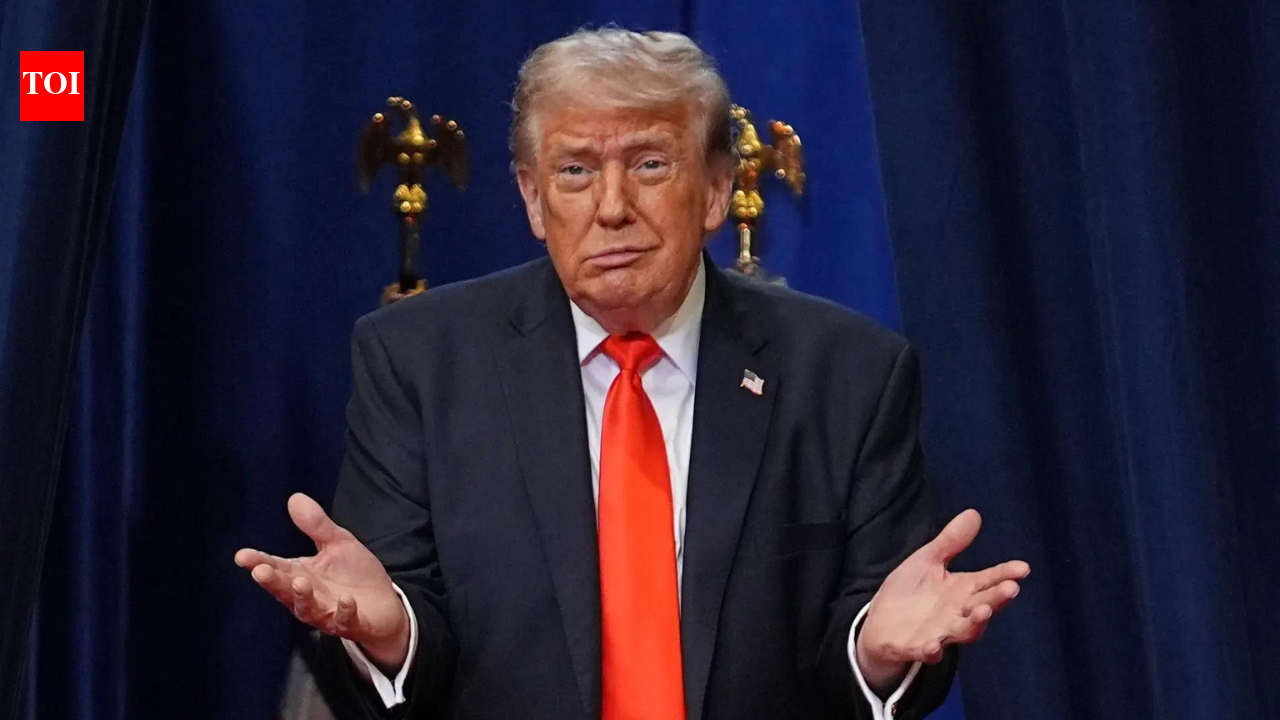
In a move that has sent shockwaves through the transatlantic alliance, US President Donald Trump ordered the withdrawal of nearly 12,000 American troops from Germany. This decision, announced amidst escalating tensions between Washington and Berlin, carries a profound personal irony: Trump's own grandfather emigrated from Kallstadt, Germany, making his generational ties to the nation closer than any previous US president. Yet, this ancestral link has done little to temper his administration's increasingly confrontational stance towards Germany, culminating in a dramatic rupture that threatens to redefine the geopolitical landscape of Europe.
The announcement came after a period of heightened friction, particularly following a contentious meeting with German Chancellor Angela Merz. While the specifics of their private discussions remain undisclosed, the public rhetoric from both sides suggested a deep ideological chasm. Trump has consistently criticized Germany for its defense spending, accusing Berlin of not meeting its NATO obligations and of being a "delinquent" ally. This latest troop withdrawal is widely interpreted as a punitive measure, a direct consequence of these long-simmering grievances, and a clear signal of Washington's shifting priorities.
A Historical Anchor Unmoored
The presence of US forces in Germany dates back to the end of World War II, a symbol of American commitment to European security and a cornerstone of the NATO alliance. For over seven decades, bases like Ramstein Air Base, Spangdahlem Air Base, and the US Army Garrisons in Wiesbaden and Grafenwoehr have served as vital strategic hubs, facilitating rapid deployment, intelligence gathering, and logistical support for operations across Europe, Africa, and the Middle East. At its peak during the Cold War, hundreds of thousands of American soldiers were stationed in West Germany, acting as a bulwark against Soviet expansionism. Even after the fall of the Berlin Wall, a significant contingent remained, adapting its mission to address new threats, from terrorism to regional conflicts.
This enduring presence has not only provided a security umbrella but has also fostered deep cultural and economic ties between the two nations. Generations of American service members and their families have lived and worked in Germany, contributing to local economies and building bridges of understanding. The bases themselves are complex ecosystems, employing thousands of German civilians and integrating into the fabric of their surrounding communities. The abrupt withdrawal, therefore, is not merely a strategic redeployment; it represents a fundamental questioning of this long-standing partnership and the unraveling of a historical anchor that has stabilized European security for decades.
Geopolitical Repercussions and NATO's Future
The implications of this troop reduction are far-reaching and complex. For Germany, it signifies a direct challenge to its sovereignty and a potential weakening of its defense capabilities. While Germany is a wealthy nation with a robust military, the US presence has provided critical high-end capabilities, intelligence sharing, and a deterrent against potential adversaries. The withdrawal could force Germany to significantly increase its own defense spending and potentially re-evaluate its strategic alliances, possibly looking more towards France or other European partners for collective security.
For NATO, the decision is a severe blow to its unity and credibility. The alliance, founded on the principle of collective defense, relies on the mutual commitment of its members. Trump's unilateral action, taken without extensive consultation with allies, undermines the spirit of cooperation and raises doubts about America's long-term commitment to the alliance. Critics argue that this move plays directly into the hands of Russia, which has long sought to weaken NATO and destabilize Europe. By creating divisions within the alliance and reducing its forward presence, the US risks emboldening aggressive actors and diminishing its own influence on the continent. The relocation of some troops to other European nations like Belgium and Italy, or even back to the US, does not fully mitigate the strategic loss of Germany's central location and robust infrastructure.
Economic and Social Impact
Beyond the geopolitical chessboard, the withdrawal will have tangible economic and social consequences for the communities surrounding the US bases. Thousands of German jobs, from base employees to local businesses that cater to American personnel, are now at risk. The economic ripple effect could be substantial, particularly in regions heavily reliant on the US military presence. Housing markets, retail sectors, and service industries will all feel the pinch. Local German officials have expressed deep concern, highlighting the long-standing relationships and mutual benefits derived from the American presence.
Furthermore, the social fabric of these communities will be affected. The departure of American families means the loss of neighbors, friends, and cultural exchanges that have enriched both sides. Schools, hospitals, and local organizations that have served both German and American populations will need to adapt to a new reality. The human element of this strategic decision often gets overlooked, but for thousands of individuals, both American and German, it represents a significant disruption to their lives and livelihoods.
The Path Forward: A New European Security Paradigm?
This troop withdrawal marks a pivotal moment in transatlantic relations, signaling a potential shift towards a new European security paradigm. It forces European nations to confront the reality of a less predictable and potentially less engaged United States. While some European leaders have long advocated for greater strategic autonomy, this development accelerates that imperative with unprecedented urgency. There is a growing consensus that Europe must take greater responsibility for its own defense, potentially leading to a more integrated European defense structure, independent of, or at least less reliant on, American leadership.
However, building such a structure will be a monumental task, requiring significant political will, increased defense spending, and overcoming historical divisions. The immediate future is likely to be characterized by uncertainty and a scramble among European allies to reassess their defense strategies. The Trump administration's decision, while framed as a strategic realignment, is widely perceived as a punitive and isolationist act that risks undermining decades of alliance building. Whether this rupture leads to a stronger, more unified Europe or a more fragmented and vulnerable continent remains to be seen, but the echoes of this decision will undoubtedly resonate for generations to come, shaping the future of global security and the very definition of the transatlantic bond.
Stay Informed
Get the world's most important stories delivered to your inbox.
No spam, unsubscribe anytime.
Comments
No comments yet. Be the first to share your thoughts!