Samsung's Galaxy Glasses: A Glimpse into the Future of Wearable Tech as Icons Emerge in One UI
Samsung is poised to enter the competitive smart glasses market with its highly anticipated Galaxy Glasses, as evidenced by recent icon discoveries in One UI 8.5 and One UI 9. This development signals advanced preparation for a potential late-year launch, positioning Samsung to challenge existing players like Apple and Meta. The article explores the technological implications, market potential, and historical context of wearable augmented reality, anticipating a new era of seamless digital integration.
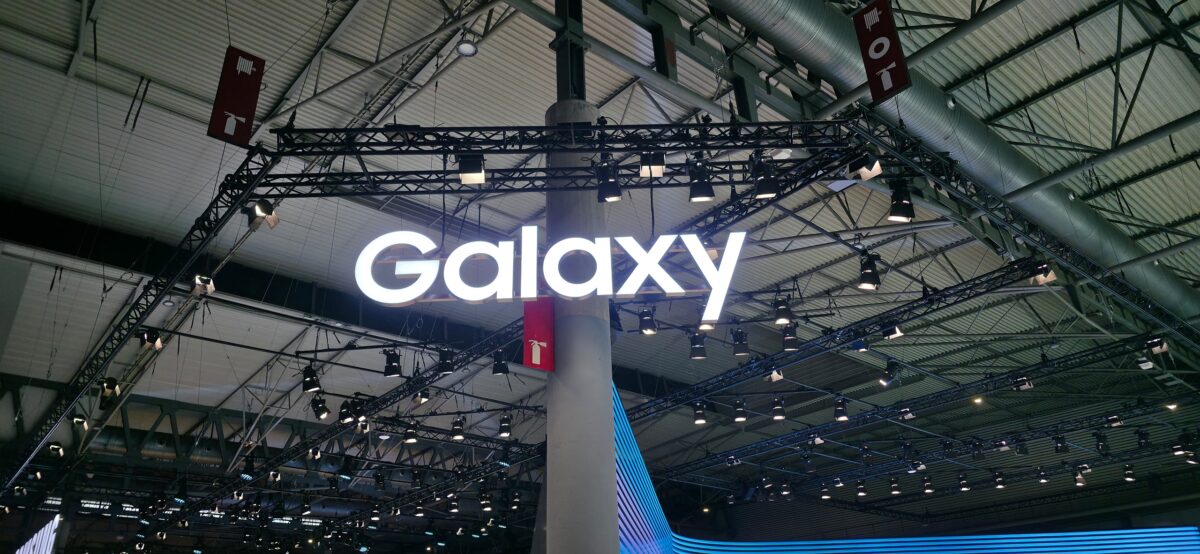
The whispers have grown louder, and now, the visual evidence has surfaced: Samsung's Galaxy Glasses are not just a concept, but a tangible product nearing release. Recent discoveries of a dedicated icon within the upcoming One UI 8.5 and the unreleased One UI 9 firmware versions have sent ripples through the tech world, confirming Samsung's ambitious foray into the burgeoning smart glasses market. This isn't merely an incremental update; it represents a significant strategic move by the South Korean giant, aiming to redefine how we interact with digital information and the physical world.
For years, augmented reality (AR) and wearable technology have been touted as the next frontier in computing. While companies like Google, Microsoft, and Meta have made various attempts, none have yet achieved mainstream adoption on the scale of smartphones. Samsung, with its vast ecosystem and manufacturing prowess, could be the one to crack the code. The appearance of the Galaxy Glasses icon suggests that the software groundwork is well underway, indicating a launch that could happen as early as late this year, potentially alongside other flagship devices.
The Evolution of Wearable Computing: A Historical Perspective
The idea of wearable computing isn't new. From early attempts like Steve Mann's 'Wearable Computer' in the 1980s to the much-hyped Google Glass of 2013, the journey has been fraught with both innovation and significant challenges. Google Glass, while pioneering, faced hurdles related to privacy concerns, social acceptance, and a high price point, ultimately failing to capture the consumer market. However, its legacy paved the way for subsequent developments, demonstrating both the potential and the pitfalls of integrating technology directly into our visual field.
Fast forward to today, and the landscape is far more mature. Apple's Vision Pro, launched earlier this year, has reignited interest in spatial computing, albeit with a hefty price tag and a form factor that leans more towards virtual reality (VR) than discreet AR glasses. Meta, with its Ray-Ban smart glasses, has focused on a more subtle approach, integrating cameras and audio into traditional eyewear. Samsung's entry, therefore, comes at a crucial juncture, potentially offering a blend of advanced AR capabilities with a design that prioritizes everyday wearability.
Samsung's history in wearables is extensive, ranging from early smartwatches like the Galaxy Gear to its current successful line of Galaxy Watches and Buds. This experience in miniaturization, battery life optimization, and seamless ecosystem integration will be invaluable. The company has also been actively filing patents related to AR glasses for years, detailing concepts that include waveguide displays, eye-tracking technology, and gesture controls. The appearance of the icon now suggests these theoretical concepts are crystallizing into a consumer-ready product.
Technical Speculation and Ecosystem Integration
While specific technical details remain under wraps, the presence of the icon in One UI offers tantalizing clues. One UI is Samsung's custom Android overlay, powering its smartphones, tablets, and increasingly, its smartwatches. The integration of Galaxy Glasses within this ecosystem implies a seamless connection with existing Samsung devices. Imagine receiving notifications directly in your field of vision, controlling smart home devices with a glance, or overlaying navigation directions onto the real world without ever pulling out your phone.
Key features we might expect include: * High-resolution micro-LED or OLED displays: Essential for clear, vibrant AR overlays. * Advanced sensors: Including cameras for environmental understanding, depth sensors for spatial mapping, and accelerometers/gyroscopes for head tracking. * Powerful, efficient processors: Likely a custom Exynos chip or a Snapdragon variant optimized for AR, balancing performance with thermal management and battery life. * Voice and gesture control: Allowing for intuitive interaction without physical buttons. * Integrated audio: Potentially bone conduction or open-ear speakers for discreet sound.
The Galaxy ecosystem is Samsung's greatest strength. The Galaxy Glasses will likely leverage SmartThings for IoT integration, Samsung Health for fitness tracking, and Bixby for voice commands. This interconnectedness could provide a compelling user experience that differentiates it from standalone AR devices. Developers, too, will be crucial. Samsung will need to foster a robust developer community to create compelling AR applications that go beyond mere notifications, offering truly transformative experiences in areas like education, gaming, and professional tools.
Market Implications and Competitive Landscape
Samsung's entry into the smart glasses market is not just about technology; it's about market share and shaping the future of personal computing. The global augmented reality market is projected to grow significantly, with estimates often placing it in the hundreds of billions of dollars within the next decade. While Apple's Vision Pro targets a premium, niche market, Samsung's approach is likely to be broader, potentially offering multiple tiers of devices or a more accessible price point to drive mass adoption.
The competition is fierce. Meta continues to iterate on its Ray-Ban Meta Smart Glasses, focusing on social interaction and discreet capture. Other players like XREAL (formerly Nreal) offer tethered AR glasses that connect to smartphones, providing a more immersive display experience. Samsung's challenge will be to carve out its unique value proposition. Will it focus on productivity, entertainment, fitness, or a blend of all three? The answer will likely dictate its initial success.
Furthermore, the success of Galaxy Glasses will depend heavily on user experience (UX) and design. Previous attempts at smart glasses have often been criticized for their bulky appearance or intrusive nature. Samsung's design philosophy, often characterized by sleek aesthetics and ergonomic comfort, will be critical in overcoming these past hurdles. The goal is to make the technology feel natural, an extension of oneself rather than an awkward appendage.
The Road Ahead: Challenges and Opportunities
The path to mainstream adoption for smart glasses is still fraught with challenges. Battery life remains a significant hurdle, as powerful AR processing demands considerable energy. Privacy concerns surrounding embedded cameras and constant data collection will also need careful navigation, requiring transparent policies and robust security features. Content creation is another critical factor; without compelling applications and experiences, even the most advanced hardware will struggle to find an audience.
However, the opportunities are immense. Imagine surgeons performing complex operations with real-time holographic overlays, architects visualizing designs in 3D on-site, or tourists exploring historical sites with interactive information superimposed on their view. For the everyday consumer, the potential for enhanced navigation, contextual information, and seamless communication could fundamentally alter daily routines.
Samsung's decision to lay the software groundwork well in advance, as evidenced by the One UI icons, suggests a methodical and strategic approach. This isn't a rushed product but a carefully planned entry into a market with immense potential. If Samsung can deliver a device that is stylish, functional, affordable, and seamlessly integrated into its ecosystem, the Galaxy Glasses could very well be the catalyst that propels augmented reality from a niche technology into an indispensable part of our connected lives, ushering in a new era of interaction with the digital world.
Stay Informed
Get the world's most important stories delivered to your inbox.
No spam, unsubscribe anytime.
Comments
No comments yet. Be the first to share your thoughts!