Spotify's Enduring Reign: Why YouTube Music Still Falls Short in the Streaming Wars
Despite Google's vast resources, YouTube Music continues to struggle against Spotify's dominance in the music streaming market. This article dissects the key reasons for its persistent shortcomings, from user experience and library management to artist compensation and the battle against AI-generated content. We explore how Spotify maintains its lead, even amidst its own controversies, and what it means for the future of digital music consumption.
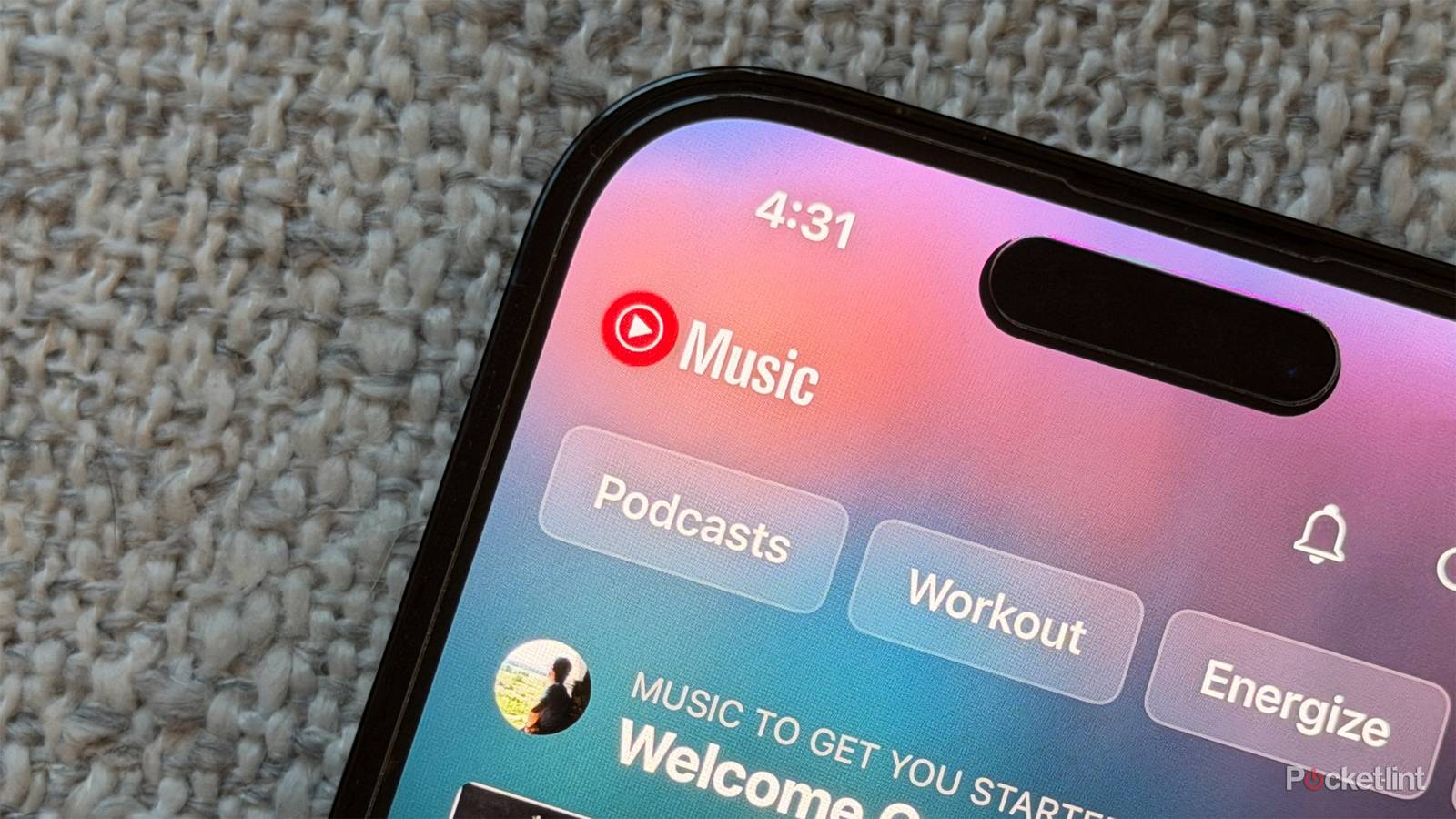
In the cutthroat world of digital music streaming, where convenience and vast libraries are king, two titans stand tall: Spotify and YouTube Music. While Spotify has long held the crown, YouTube Music, backed by the immense power of Google, has consistently aimed to usurp it. Yet, despite its colossal parent company and an unparalleled catalog of video content, YouTube Music still finds itself playing second fiddle, often leaving even its most ardent users feeling that Google is "so close, yet so far." This isn't merely a matter of preference; it's a complex interplay of design choices, business models, and user expectations that define the current landscape of how we consume music.
The User Experience Chasm: Interface and Discovery
The most immediate and perhaps most critical differentiator between the two platforms lies in their user experience (UX) and interface design. Spotify has, over the years, refined its application into a sleek, intuitive, and highly personalized music hub. Its home screen is a masterclass in tailored recommendations, offering a seamless blend of new releases, curated playlists, and algorithmically generated daily mixes that consistently hit the mark. The discovery features, from Discover Weekly to Release Radar, are legendary, often introducing users to new artists and genres with uncanny accuracy. This is largely due to Spotify's singular focus on audio streaming, allowing its algorithms to be meticulously tuned for musical preferences.
YouTube Music, on the other hand, often feels like a platform struggling with its identity, caught between its origins as a video-sharing giant and its aspirations as a dedicated music service. Its interface can be clunky, often prioritizing video content over audio, which can be frustrating for users primarily seeking a pure audio experience. The integration of official music videos, live performances, and user-uploaded content, while offering a vast library, also creates a chaotic browsing experience. Many users report that the recommendations, while improving, still lack the precision and depth of Spotify's, often pushing popular tracks or videos rather than truly personalized musical discoveries. The constant push-and-pull between YouTube's video heritage and YouTube Music's audio ambition creates a cognitive dissonance that hinders a truly fluid user journey.
Library Management and Playback Pains
Beyond the initial interface, the practicalities of library management and playback functionality further expose YouTube Music's weaknesses. For serious music collectors and audiophiles, the ability to organize, curate, and access their music seamlessly is paramount. Spotify excels here with robust playlist management, clear album organization, and reliable offline playback. Users can easily sort their libraries, create intricate playlist structures, and download content without a hitch, making it a dependable companion for any listening scenario.
YouTube Music, conversely, has been plagued by inconsistencies. Users often report issues with uploaded music disappearing or being difficult to integrate with the main library. The distinction between official releases, live versions, and user-generated content can blur, leading to a fragmented listening experience. The playback engine itself sometimes struggles, with reports of buffering, inconsistent audio quality, and an inability to smoothly transition between audio and video versions of a song. For many, the lack of a dedicated, high-quality audio experience, free from the distractions and data consumption of video, remains a significant deterrent. The absence of a truly robust Hi-Fi audio option, a feature Spotify has long promised and is slowly rolling out, also places YouTube Music at a disadvantage for discerning listeners.
The Ethical Quandary: Artist Compensation and AI Slop
While this article primarily focuses on the user experience, it's impossible to ignore the broader ethical and industry-wide challenges that both platforms face, and where Spotify, despite its own controversies, often appears to be making more concerted efforts. The issue of artist compensation is a perennial thorn in the side of streaming services. Many artists, particularly independent ones, argue that the per-stream royalty rates are woefully inadequate, making it difficult to earn a living wage from their music. The source material highlights a "reluctant Spotify user" precisely because of this issue, acknowledging that Spotify "doesn't pay musicians as well as it ought to."
However, YouTube Music faces similar, if not greater, scrutiny due to its complex revenue sharing model, which is often tied to advertising revenue from videos. While YouTube's vast audience can provide exposure, the financial returns for many artists remain opaque and often insufficient. Furthermore, the burgeoning problem of AI-generated content and "slop" infiltrating playlists is a growing concern across the industry. Spotify has publicly stated its commitment to combating this, implementing measures to identify and remove AI-generated tracks that violate its policies or are designed to game the system. YouTube Music, given its open platform nature, faces an even greater challenge in policing the sheer volume of content uploaded daily, making it potentially more susceptible to the proliferation of low-quality or inauthentic material that can dilute the listening experience and further complicate artist compensation.
The Future of Streaming: Innovation vs. Integration
Looking ahead, the streaming landscape is ripe for further evolution. Spotify continues to innovate with features like Canvas (short looping visuals), Group Sessions, and its deep integration with podcasts, transforming itself into a broader audio platform. Its recent focus on audiobooks further diversifies its offerings, aiming to capture more of the user's audio consumption time. Spotify's commitment to personalized experiences, coupled with its consistent performance, has built a loyal user base that is difficult for competitors to dislodge.
YouTube Music, conversely, seems to be betting on the power of integration within the broader Google ecosystem. Its seamless connection with Google Assistant, YouTube Premium, and Android devices is a significant advantage for users deeply embedded in Google's world. However, this integration often feels like a secondary benefit rather than a core strength of the music service itself. To truly compete, YouTube Music needs to shed its video-centric baggage and commit to becoming a standalone, premium audio experience. This would involve a complete overhaul of its recommendation engine, a clearer distinction between audio and video content, and a more robust approach to library management and high-fidelity audio. Until then, despite Google's immense resources, Spotify's focused approach to music discovery, user experience, and a more dedicated audio-first strategy will likely ensure its enduring reign in the streaming wars.
In conclusion, while YouTube Music possesses an undeniably vast catalog and the backing of a tech behemoth, its journey to becoming a true Spotify competitor is hampered by fundamental issues in user experience, library management, and a lingering identity crisis. For many, the choice remains clear: Spotify offers a more refined, reliable, and musically intelligent platform, even as the industry grapples with the ethical complexities of artist remuneration and the rise of AI-generated content. The streaming war is far from over, but for now, Spotify's throne appears secure, built on a foundation of consistent innovation and a deep understanding of what music lovers truly seek.
Stay Informed
Get the world's most important stories delivered to your inbox.
No spam, unsubscribe anytime.
Comments
No comments yet. Be the first to share your thoughts!