Strait of Hormuz Under Fire: Indian Vessels Attacked, Global Oil Security Threatened
Two Indian-flagged crude oil tankers were attacked while transiting the Strait of Hormuz, a critical maritime chokepoint, raising alarms about global energy security and freedom of navigation. India's Ministry of External Affairs confirmed the incident, as international calls for de-escalation intensify. This event underscores the volatile geopolitical landscape of the Persian Gulf and its far-reaching economic implications.
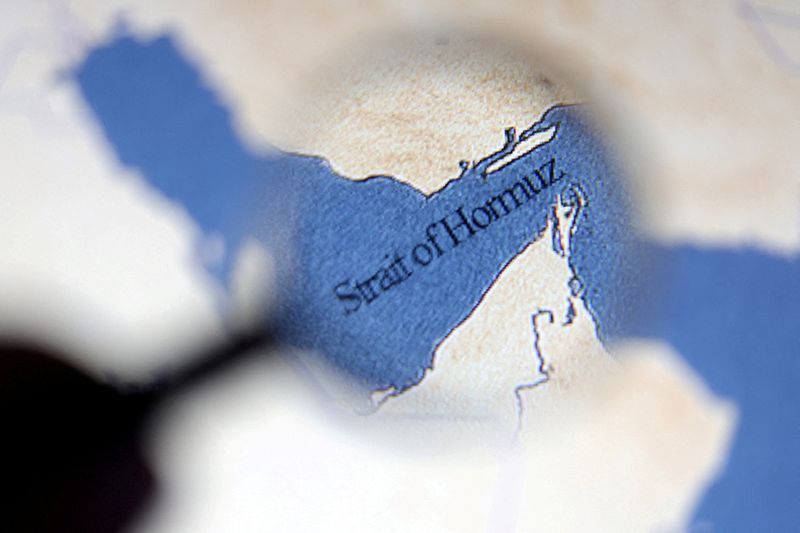
The tranquil waters of the Strait of Hormuz, a vital artery for global energy supplies, were once again disturbed by an act of aggression this past Saturday, April 18. Two Indian-flagged vessels, laden with crude oil, found themselves under attack while attempting to navigate this narrow, strategically crucial waterway. The incident, swiftly confirmed by India's Ministry of External Affairs, has sent ripples of concern across international capitals, reigniting fears about the security of maritime trade and the stability of the Persian Gulf region.
This latest assault on commercial shipping in the Strait – through which roughly a third of the world's seaborne oil passes – immediately draws attention to the precarious balance of power and the simmering tensions that characterize this geopolitical flashpoint. While details regarding the nature of the attack and its perpetrators remain under investigation, the mere occurrence of such an event underscores the inherent risks associated with transit through one of the planet's most critical maritime chokepoints. For India, a nation heavily reliant on imported oil, the implications are particularly acute, touching upon its energy security and the safety of its vast merchant fleet.
A Chokepoint Under Constant Scrutiny
The Strait of Hormuz, connecting the Persian Gulf with the Arabian Sea and the open ocean, is barely 39 kilometers (21 nautical miles) wide at its narrowest point. This geographical constriction makes it an ideal target for those seeking to disrupt global trade or exert political pressure. Historically, the Strait has been a stage for numerous confrontations, from the "Tanker War" of the 1980s during the Iran-Iraq conflict to more recent incidents involving drones, mines, and missile attacks on commercial vessels. Each event, regardless of its scale, sends oil prices fluctuating and insurance premiums soaring, reflecting the global economy's vulnerability to disruptions in this region.
The current incident involving the Indian tankers adds another layer of complexity to an already volatile situation. The vessels, identified as carrying crude oil, represent the lifeblood of industrial economies worldwide. Any threat to their safe passage is a direct threat to the global supply chain and, by extension, to economic stability. The international community, including major powers and maritime organizations, has consistently called for the unhindered freedom of navigation through the Strait, recognizing its indispensable role in global commerce.
India's Stance and Global Repercussions
India's Ministry of External Affairs, in its statement confirming the attack, emphasized its commitment to ensuring the safety of its maritime assets and personnel. As a major importer of oil, India has a vested interest in the stability of the Persian Gulf. The country's energy security strategy often involves diversifying its sources, but the Strait of Hormuz remains an unavoidable gateway for a significant portion of its crude imports. The attack will undoubtedly prompt a reassessment of maritime security protocols for Indian-flagged vessels and potentially lead to increased naval presence or coordination with international task forces in the region.
The incident also carries broader implications for international relations. Depending on the findings of the investigation, it could escalate tensions between regional powers or draw in external actors. The Strait of Hormuz is not merely a shipping lane; it is a geopolitical chessboard where the interests of numerous nations intersect. From the United States' naval presence in the Fifth Fleet to the strategic concerns of Gulf Arab states and Iran, the stakes are incredibly high. Any perceived threat to the Strait's security can quickly become a catalyst for wider regional instability.
Historical Context of Maritime Vulnerability
To understand the gravity of this latest attack, one must look back at the history of maritime incidents in the region. The "Tanker War" (1984-1988) saw hundreds of commercial vessels attacked by both Iran and Iraq, highlighting the destructive potential of regional conflicts on international shipping. More recently, between 2019 and 2021, a series of mysterious attacks on tankers and oil facilities in the Gulf and surrounding waters led to accusations and counter-accusations, primarily involving Iran and its adversaries. These incidents, often attributed to unmanned aerial vehicles (UAVs) or limpet mines, demonstrated a new era of asymmetric warfare targeting vital infrastructure.
Each such event serves as a stark reminder of the vulnerability of maritime trade to state and non-state actors. The economic fallout from these attacks is not limited to immediate damage or loss of cargo; it extends to increased insurance premiums, higher shipping costs, and a general climate of uncertainty that deters investment and disrupts supply chains. For a globalized economy, where just-in-time delivery is often the norm, such disruptions can have cascading effects, impacting everything from fuel prices at the pump to the cost of manufactured goods.
The Path Forward: Diplomacy, Deterrence, and De-escalation
The immediate priority following such an incident is typically a thorough investigation to ascertain the facts, identify the perpetrators, and understand their motives. This information is crucial for formulating an appropriate response and preventing future occurrences. However, the long-term solution to securing the Strait of Hormuz and the broader Persian Gulf region lies in a delicate balance of diplomacy, deterrence, and de-escalation.
International cooperation is paramount. Collaborative efforts among naval forces, intelligence agencies, and diplomatic channels are essential to monitor threats, share information, and establish robust security frameworks. This includes joint patrols, intelligence sharing agreements, and multilateral dialogues aimed at reducing regional tensions. Furthermore, there is a pressing need for all parties to adhere to international maritime law and exercise restraint, avoiding actions that could further destabilize the already fragile environment.
The attack on the Indian-flagged vessels serves as a potent reminder that the Strait of Hormuz remains a critical barometer of global geopolitical health. Its security is not merely a regional concern but a global imperative. As the world watches for further developments, the incident underscores the urgent need for sustained diplomatic engagement and a collective commitment to safeguarding the freedom of navigation for all, ensuring that the arteries of global commerce remain open and secure. The economic well-being of billions depends on it.
Economic Implications and Market Reactions
The immediate aftermath of such an attack often sees a knee-jerk reaction in global commodity markets. Crude oil futures typically experience an uptick, reflecting fears of supply disruptions. While the long-term impact depends on the scale of the incident and the subsequent geopolitical response, even minor disruptions can create significant volatility. Shipping insurance rates, already elevated due to past incidents and regional instability, are likely to climb further, increasing operational costs for carriers and ultimately for consumers.
For India, a country that imports over 80% of its crude oil needs, the incident highlights the strategic vulnerability of its energy supply chain. While India has made efforts to diversify its oil sources, including increasing imports from the United States and other non-Middle Eastern producers, the Persian Gulf remains a dominant supplier. The attack reinforces the argument for accelerating investments in strategic petroleum reserves and exploring alternative energy sources, though these are long-term solutions. In the short term, ensuring the safety of its maritime trade routes through diplomatic and security measures becomes paramount.
Moreover, the incident can also impact foreign direct investment (FDI) in the region. Perceived instability deters investors, potentially slowing down economic development in Gulf nations that are actively trying to diversify their economies away from sole reliance on oil. The ripple effect extends to global trade routes beyond oil, affecting container shipping and other forms of maritime commerce, as the Strait is also a key passage for general cargo.
In conclusion, the attack on the Indian-flagged vessels in the Strait of Hormuz is more than just an isolated maritime incident; it is a potent symbol of the enduring geopolitical fragility of the Persian Gulf. It serves as a clarion call for renewed international commitment to maritime security, diplomatic resolution of regional conflicts, and a collective recognition that the free flow of goods through these vital waterways is fundamental to global prosperity and stability. The world's eyes remain fixed on this narrow stretch of water, understanding that its tranquility is inextricably linked to the peace and economic health of nations far beyond its shores.
Stay Informed
Get the world's most important stories delivered to your inbox.
No spam, unsubscribe anytime.
Comments
No comments yet. Be the first to share your thoughts!