Sudan's Geopolitical Chessboard: How Resource Greed Fuels a Nation's Agony
Sudan's ongoing conflict is far more than an internal power struggle; it's a tragic paradigm of how global greed for resources fuels instability across Africa. Foreign Minister Mohi El-Din Salem's address at the Antalya Diplomacy Forum highlighted the international community's complicity, urging a shift from exploitation to genuine investment. This article delves into the complex web of external interests and internal strife, revealing how Sudan's vast mineral wealth has become both its greatest asset and its most devastating curse, perpetuating a cycle of violence and hindering development.
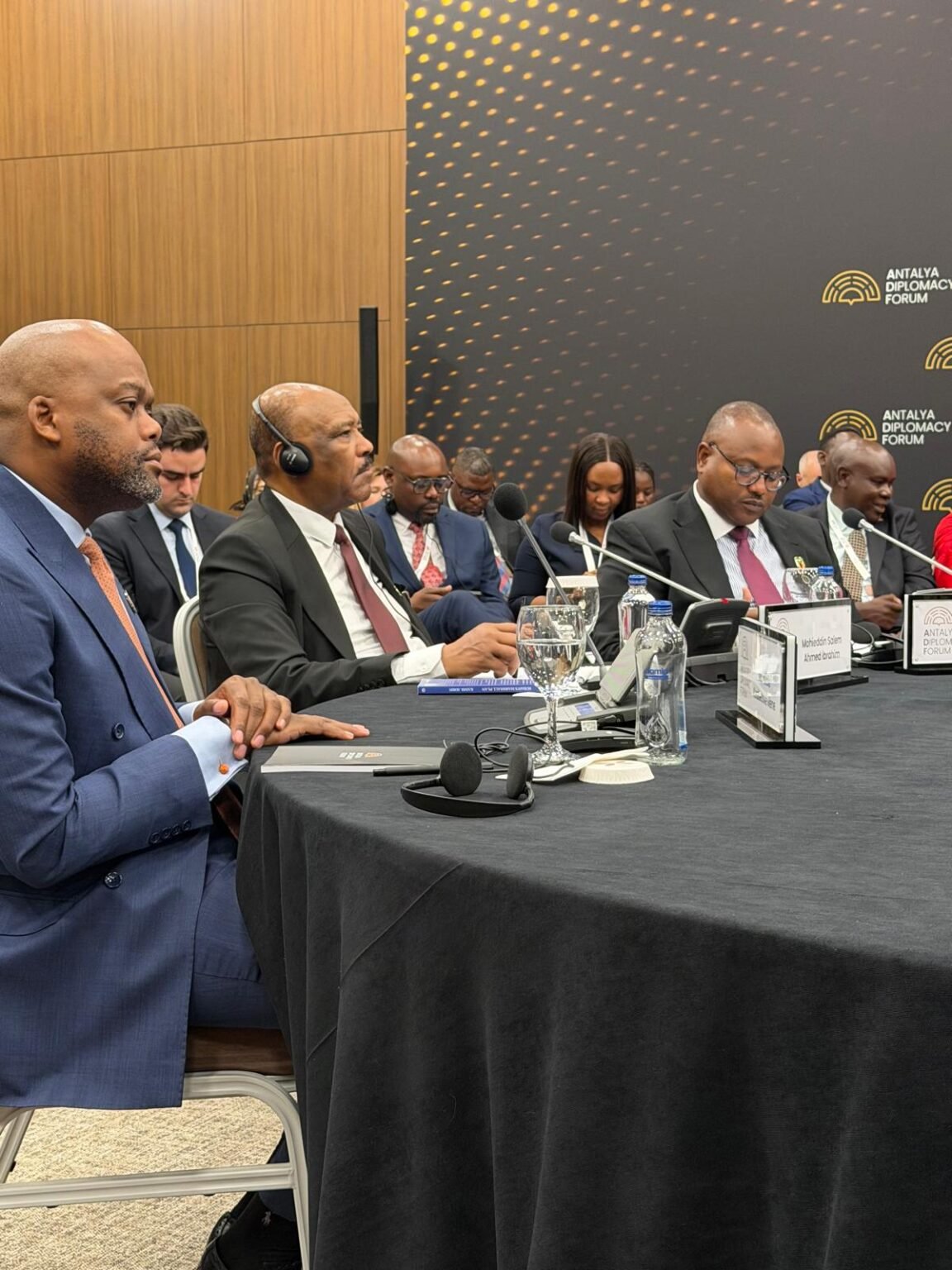
In the heart of Africa, a nation bleeds. Sudan, a land rich in gold, oil, and strategic geographical importance, has become a tragic testament to the devastating consequences of resource greed. What began as an internal power struggle has quickly escalated into a humanitarian catastrophe, fueled and prolonged by a complex web of regional and international interests vying for control over its vast natural wealth. As Foreign Minister Mohi El-Din Salem articulated at the fifth Antalya Diplomacy Forum, under the theme “Investing in Africa’s Future: Strategy,” Sudan's conflict serves as a stark model of how external exploitation undermines peace and development across the continent.
The Resource Curse: Sudan's Unfortunate Endowment
Sudan sits on an estimated 1.5 billion barrels of proven oil reserves, making it a significant player in regional energy markets. Beyond oil, the country is a treasure trove of gold, chromium, copper, iron ore, and uranium. Its agricultural potential, particularly along the Nile, is immense, with vast tracts of fertile land capable of feeding millions. Paradoxically, this abundance has not translated into prosperity for its people. Instead, it has attracted a predatory gaze from various global powers and regional actors, transforming its natural endowments into a curse that perpetuates conflict.
The current conflict, primarily between the Sudanese Armed Forces (SAF) and the Rapid Support Forces (RSF), is deeply intertwined with the control of these resources. The RSF, for instance, has significant ties to gold mining operations, which provide a crucial revenue stream for its military activities. Reports indicate that billions of dollars worth of gold have been illicitly trafficked out of Sudan, often with the complicity of international networks. This illicit trade not only funds the conflict but also deprives the Sudanese state of legitimate revenue that could be used for public services and development.
Geopolitical Stakes: A Battleground for External Influence
Sudan's strategic location, bordering the Red Sea and several volatile regions, further amplifies its geopolitical significance. It serves as a critical gateway between Africa and the Middle East, making it a pivotal point for trade routes and military projection. This strategic importance has drawn in a diverse array of external players, each with their own economic, political, or security agendas.
Russia, for example, has long sought a naval base on the Red Sea coast, a move that would significantly enhance its presence in the region and provide access to vital shipping lanes. In exchange, Russia offers military support, training, and potentially lucrative mining concessions. China, a major investor in African infrastructure and a significant consumer of raw materials, has substantial interests in Sudan's oil and mineral sectors. Its Belt and Road Initiative often involves securing resource access, and stability in Sudan is crucial for its regional economic ambitions.
Meanwhile, Gulf states like the United Arab Emirates and Saudi Arabia have invested heavily in Sudan's agricultural lands and port facilities, viewing it as a potential food basket and a strategic partner in regional security. Their involvement, while sometimes framed as development aid, often comes with conditions that tie Sudan's economy more closely to their own interests, sometimes exacerbating internal divisions. Even Western powers, while often advocating for democracy and human rights, have historically engaged in resource extraction and maintained complex relationships with various Sudanese factions, sometimes prioritizing stability for resource access over genuine democratic transitions.
The Call for a New Strategy: Investing in Africa's Future
Minister Salem's participation in the Antalya Diplomacy Forum underscored a critical message: the international community must shift its approach from exploitation to genuine, sustainable investment. He highlighted the need for a strategy that prioritizes the long-term development and stability of African nations, rather than short-term gains from resource extraction.
This new strategy would entail several key components: * Transparent Governance: Supporting the establishment of strong, transparent institutions in resource-rich countries to ensure that revenues benefit the populace, not just ruling elites or armed factions. * Diversification of Economies: Helping African nations move beyond raw material export by investing in local processing, manufacturing, and value-added industries. * Capacity Building: Providing technical assistance and training to empower local populations to manage their own resources effectively and sustainably. * Ethical Sourcing: Implementing stricter regulations and oversight to prevent the illicit trade of resources and ensure that supply chains are free from conflict minerals. * Debt Relief and Fair Trade: Addressing the historical burden of debt and promoting trade agreements that are equitable and beneficial for African economies.
The Human Cost and the Path Forward
The consequences of this resource-fueled conflict are devastating. Millions of Sudanese have been displaced, facing famine, disease, and unimaginable violence. The UN estimates that over 10,000 people have been killed, and more than 8 million have been displaced since the conflict began in April 2023. Infrastructure has been decimated, and the social fabric of the nation is tearing apart. The humanitarian crisis is one of the worst in recent history, yet it often struggles to capture sustained global attention.
For Sudan to break free from this cycle of violence and exploitation, a concerted international effort is required. This effort must go beyond mere humanitarian aid and address the root causes of the conflict, particularly the role of external actors and the illicit resource trade. Sanctions targeting those who profit from the conflict, robust monitoring of resource supply chains, and genuine diplomatic pressure on external patrons are essential.
Ultimately, the future of Sudan, and indeed many resource-rich African nations, hinges on a fundamental re-evaluation of how the world interacts with the continent. As Minister Salem implicitly argued, Africa is not merely a source of raw materials but a continent of immense human potential and strategic importance. Investing in its future means investing in its people, its institutions, and its ability to chart its own course, free from the predatory grip of resource greed. Only then can the bloodshed cease, and a true dawn of development begin.
Stay Informed
Get the world's most important stories delivered to your inbox.
No spam, unsubscribe anytime.
Comments
No comments yet. Be the first to share your thoughts!