Zimbabwe's Political Storm: Chivayo's $3.6M 'Donation' Raises Alarm Ahead of Key Vote
Zimbabwean businessman Wicknell Chivayo's pledge of $3.6 million to all 360 MPs and senators has ignited a fierce debate about political influence and corruption. Claiming presidential approval, this 'donation' comes weeks before a crucial vote on controversial constitutional amendments. Critics fear it's a thinly veiled attempt to sway legislative outcomes, highlighting deep-seated issues within the nation's governance.
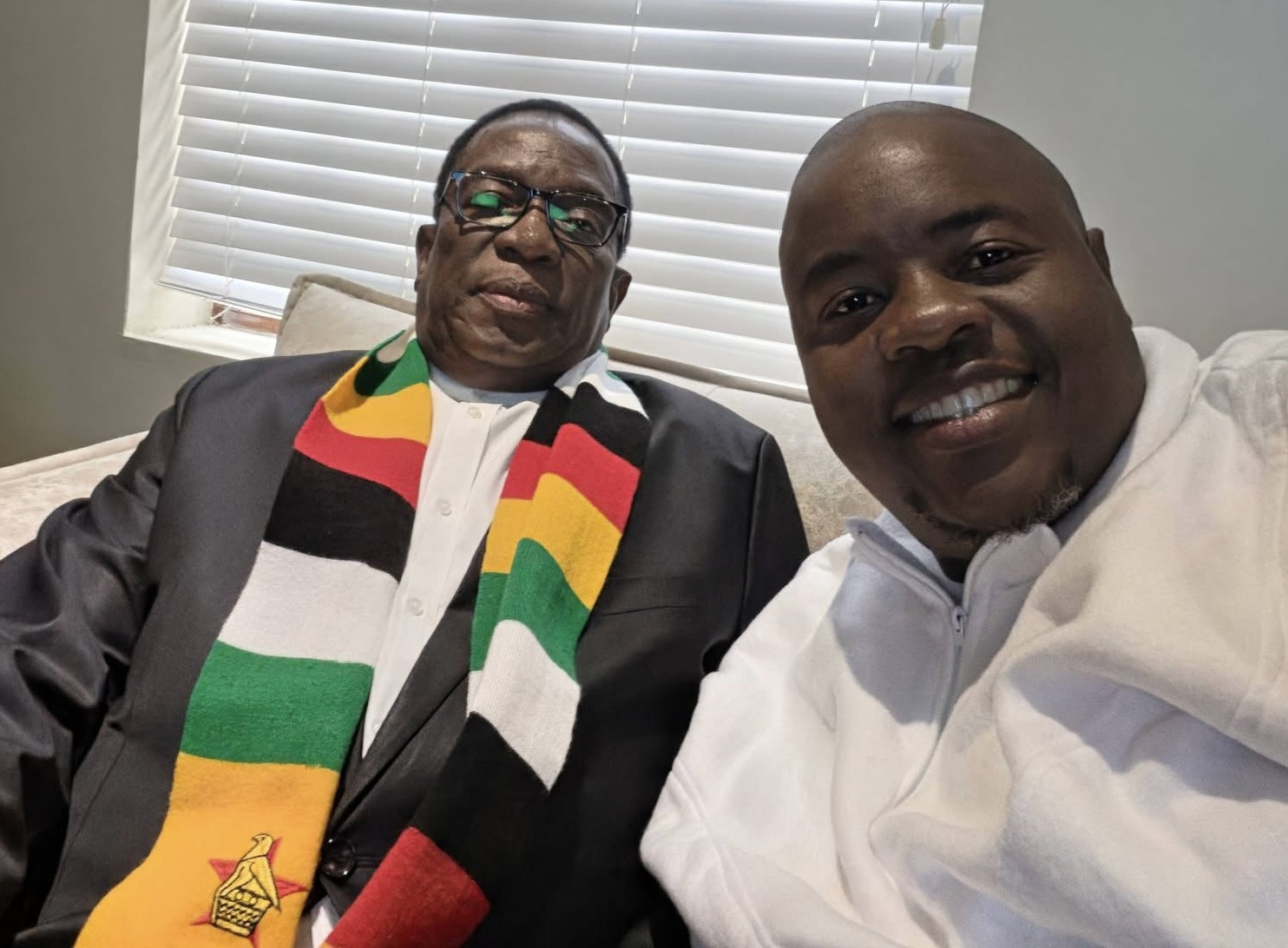
In a move that has sent shockwaves through Zimbabwe's political landscape, controversial businessman Wicknell Chivayo has announced a staggering donation of USD$3.6 million to all 360 members of parliament and senators. This extraordinary gesture, which Chivayo claims received personal approval from President Emmerson Mnangagwa, has immediately ignited a firestorm of criticism and speculation, casting a long shadow over the integrity of the nation's legislative processes. The timing is particularly contentious, coming just weeks before MPs are slated to vote on a series of highly debated constitutional amendments, fueling fears that the 'donation' is a thinly veiled attempt to influence the outcome of critical parliamentary decisions.
Chivayo, a figure no stranger to controversy, has presented this financial windfall as a benevolent act aimed at supporting the nation's lawmakers. However, the sheer scale of the sum – equating to $10,000 for each legislator – and the explicit mention of presidential endorsement have raised serious questions about the separation of powers and the pervasive issue of political patronage in Zimbabwe. For a country grappling with severe economic challenges, high unemployment, and widespread poverty, such a lavish disbursement to elected officials, especially from a private individual with a checkered past, is seen by many as a profound misallocation of resources and a stark symbol of elite capture.
A History of Controversy and Influence
Wicknell Chivayo's name is synonymous with high-profile business dealings and, often, allegations of impropriety. His rise to prominence has been marked by lucrative government contracts, particularly in the energy sector, which have frequently been scrutinized for lack of transparency and inflated costs. One of the most notable cases involved a multi-million dollar solar power project that allegedly failed to deliver on its promises despite significant upfront payments. Such incidents have cemented his reputation as a powerful, yet divisive, figure whose wealth appears inextricably linked to political connections.
His public persona, characterized by ostentatious displays of wealth on social media, further complicates the narrative surrounding this latest 'donation.' While some might view it as philanthropy, the context of his business history and close ties to the ruling ZANU-PF party leadership suggest a more transactional interpretation. Critics argue that Chivayo's past dealings demonstrate a pattern of leveraging political relationships for personal gain, and this current offering to legislators could be seen as an extension of that strategy, albeit on a grander and more public scale. The optics are particularly damaging for a government that frequently pledges to combat corruption and promote good governance.
The Looming Constitutional Amendments
The timing of Chivayo's pledge is not coincidental. Zimbabwe's Parliament is on the cusp of debating and voting on several significant constitutional amendments. While the exact nature of these amendments is subject to ongoing political discourse, they often involve changes to electoral laws, presidential powers, or judicial appointments, all of which have profound implications for the country's democratic framework. Historically, constitutional amendments in Zimbabwe have been contentious, frequently seen as attempts by the ruling party to consolidate power or extend presidential terms. The current set of proposed changes is no exception, drawing sharp criticism from opposition parties, civil society organizations, and human rights groups who fear an erosion of democratic checks and balances.
Against this backdrop, a $10,000 payment to each legislator, regardless of their political affiliation, could exert undue influence. For many MPs, particularly those from financially strained constituencies or with limited personal resources, such a sum represents a significant amount. The psychological pressure, whether explicit or implicit, to vote in a manner favorable to the perceived benefactor or his political allies could be immense. This situation raises fundamental questions about the independence of the legislative branch and its ability to act solely in the national interest, free from external financial inducements.
Presidential Endorsement and Erosion of Trust
Chivayo's assertion that President Mnangagwa personally approved the donation is perhaps the most alarming aspect of this saga. If true, it suggests a blurring of lines between the executive and legislative branches, and a potential breach of the constitutional principle of separation of powers. A president endorsing a private citizen's financial gift to lawmakers, especially one with such a high-profile and controversial background, could be interpreted as tacit approval of political patronage and an undermining of democratic institutions. It sends a message that financial influence can be openly wielded within the highest echelons of government.
This alleged endorsement further erodes public trust in a political system already plagued by accusations of corruption and lack of accountability. For ordinary Zimbabweans, who face daily struggles with inflation, unemployment, and inadequate public services, the sight of their elected representatives potentially receiving large sums from a controversial businessman, with the president's apparent blessing, is likely to breed cynicism and disillusionment. It reinforces the perception that the political elite operates under a different set of rules, prioritizing personal gain and political maneuvering over the welfare of the populace.
Implications for Governance and Democracy
The long-term implications of this incident for Zimbabwean governance and democracy are significant. Firstly, it sets a dangerous precedent, normalizing the idea that private wealth can directly influence legislative outcomes. This could further entrench a system where political decisions are bought rather than earned through legitimate democratic processes. Secondly, it weakens the already fragile institutions of accountability. If such a large-scale 'donation' can proceed with alleged presidential approval, it raises questions about the effectiveness of anti-corruption bodies and parliamentary oversight mechanisms.
Furthermore, the incident highlights the urgent need for robust campaign finance regulations and stricter ethical guidelines for public officials. Without transparent rules governing donations to politicians and political parties, and independent enforcement mechanisms, the risk of undue influence will persist. International observers and human rights organizations are likely to view this development with concern, potentially impacting Zimbabwe's efforts to re-engage with the global community and attract foreign investment, as perceptions of corruption deter legitimate businesses.
The Path Forward: Demanding Accountability
As the debate rages, civil society organizations and opposition parties have been vocal in their condemnation, calling for immediate investigations and greater transparency. They demand clarity on the source of Chivayo's funds, the exact nature of the presidential approval, and assurances that the constitutional amendment vote will be conducted without external influence. The incident serves as a critical test for Zimbabwe's commitment to democratic principles and the rule of law. For the nation to move forward, there must be a clear and unequivocal rejection of political patronage and a renewed commitment to upholding the integrity of its institutions.
Ultimately, the Chivayo 'donation' is more than just a financial transaction; it is a symptom of deeper systemic issues within Zimbabwe's political economy. It underscores the ongoing struggle between entrenched interests and the aspirations for a truly democratic, transparent, and accountable government. The coming weeks, as Parliament deliberates on the constitutional amendments, will reveal whether the nation's legislators can rise above the specter of financial inducement and act as independent voices for their constituents, or if the shadow of patronage will continue to dictate the course of Zimbabwe's future.
Stay Informed
Get the world's most important stories delivered to your inbox.
No spam, unsubscribe anytime.
Comments
No comments yet. Be the first to share your thoughts!