Stranded at Sea: The Unseen Humanitarian Crisis in the Strait of Hormuz
As geopolitical tensions escalate in the Strait of Hormuz, a silent humanitarian crisis unfolds, trapping thousands of seafarers aboard commercial vessels. Catholic maritime ministries are urgently calling for global prayer and support, highlighting the dire psychological and physical toll on these essential workers. Their plight underscores the human cost of international conflict and the critical need for safe passage and repatriation.
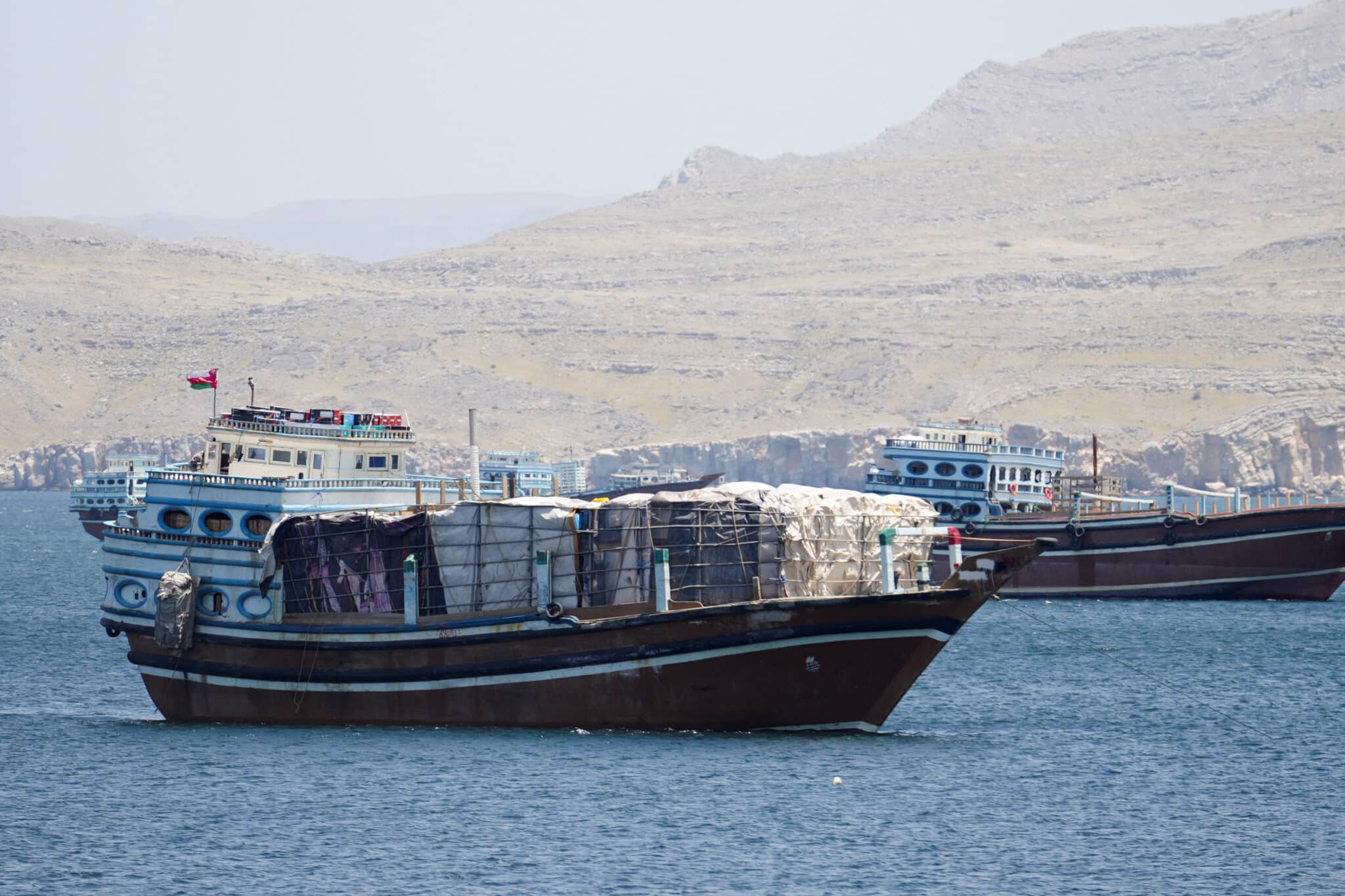
In the volatile crucible where geopolitics, global trade, and human lives intersect, a silent crisis is unfolding in the Strait of Hormuz. As the United States and Iran engage in a dangerous standoff, thousands of seafarers, the unsung heroes of global commerce, find themselves trapped at sea, their vessels immobilized, their lives in limbo. Catholic maritime ministries, at the forefront of advocating for these vulnerable individuals, are sounding an urgent alarm, calling for a wave of prayer and concrete support to alleviate the suffering of these souls caught in the crossfire of international tensions.
The Geopolitical Tinderbox: Hormuz's Strategic Importance
The Strait of Hormuz, a narrow waterway connecting the Persian Gulf to the Arabian Sea, is arguably the world's most critical oil chokepoint. Approximately one-fifth of the world's total oil consumption and a significant portion of its liquefied natural gas (LNG) pass through this passage daily. Its strategic importance makes it a perennial flashpoint for regional and international powers. The current escalation of tensions between the U.S. and Iran, rooted in a complex history of sanctions, nuclear ambitions, and regional proxy conflicts, has transformed this vital artery into a zone of extreme peril. Naval deployments, threats of interdiction, and the looming specter of military confrontation have brought commercial shipping to a near standstill in many areas, directly impacting the lives of those who crew these vessels.
Historically, the Strait has been a theater for various conflicts, from the Iran-Iraq War in the 1980s, which saw the 'Tanker War,' to more recent incidents involving drone strikes and vessel seizures. Each escalation sends ripples through global energy markets and, more importantly, places immense pressure on the maritime industry and its workforce. The current situation is particularly acute, with reports indicating prolonged detentions and significant uncertainty for crews.
The Invisible Victims: Seafarers in Limbo
While headlines focus on diplomatic maneuvers and military posturing, the human element often remains overlooked. Seafarers, predominantly from developing nations, spend months away from their families, navigating treacherous waters and demanding conditions to ensure the flow of goods that underpin the global economy. For them, being trapped in a conflict zone means:
* Extended contracts and delayed repatriation: Many seafarers are now serving well beyond their contractual obligations, unable to disembark or be relieved by new crews. * Psychological distress: The constant threat of conflict, isolation, and uncertainty about their future takes a severe toll on mental health, leading to anxiety, depression, and even suicidal ideation. * Limited access to medical care: With vessels unable to dock or receive supplies, access to essential medical services and medications becomes severely restricted. * Food and water shortages: Prolonged stays can lead to dwindling provisions, impacting the health and morale of the crew. * Financial hardship: Families back home depend on their remittances, which are jeopardized by delayed wages or loss of income.
According to the International Transport Workers' Federation (ITF), hundreds of thousands of seafarers globally have faced similar challenges during various crises, with many experiencing abandonment by shipowners or being caught in port state control issues due to geopolitical events. The current situation in Hormuz adds another layer of complexity, as the threat isn't just economic but existential.
The Church's Call to Action: Prayer and Practical Support
Catholic maritime ministries, such as the Apostleship of the Sea (Stella Maris), have a long history of ministering to seafarers, offering spiritual, pastoral, and practical support. In this crisis, their role becomes even more critical. They are not merely calling for abstract prayers but for a concerted effort to recognize and address the plight of these individuals. As one ministry leader stated, “These are not just numbers; these are fathers, sons, daughters, and mothers, whose lives are on hold, whose families are suffering.”
Their efforts include:
* Organizing intercessory prayers: Mobilizing Catholic communities worldwide to pray for the safe passage and repatriation of seafarers. * Advocacy: Lobbying governments, international organizations (like the IMO and ILO), and shipping companies to prioritize the welfare and safe return of crews. * Direct support: Where possible, providing humanitarian aid, communication facilities, and counseling services to stranded seafarers. * Raising awareness: Bringing this hidden crisis into the public consciousness to generate broader support and pressure for action.
The call for prayer is not just a spiritual exercise; it's a profound act of solidarity, acknowledging the shared humanity of those affected and invoking divine intervention in a situation where human solutions seem elusive.
Implications and the Path Forward
The crisis in the Strait of Hormuz serves as a stark reminder of the interconnectedness of the global economy and the vulnerability of its workforce to geopolitical instability. The long-term implications extend beyond the immediate humanitarian concerns:
* Supply chain disruptions: Prolonged blockades or heightened risks will inevitably lead to increased shipping costs, delays, and potential shortages of goods globally. * Insurance premiums: Maritime insurance rates for the region will skyrocket, further burdening shipping companies and ultimately consumers. * Seafarer retention: The repeated exposure to such dangers could deter individuals from pursuing careers at sea, exacerbating an already existing shortage of skilled maritime labor. * International law and maritime rights: The situation highlights the need for stronger international frameworks to protect seafarers' rights during conflicts and ensure their safe passage and repatriation.
For the thousands of seafarers currently adrift, the path forward is uncertain. International cooperation, diplomatic de-escalation, and a renewed commitment to humanitarian principles are desperately needed. The voices of Catholic maritime ministries, echoing the cries of the stranded, serve as a moral compass, urging the world not to forget the human cost of its geopolitical chess games. Their plea for prayer and action is a powerful testament to the enduring belief in human dignity, even amidst the most challenging circumstances, reminding us that every life, no matter how distant or unseen, holds immense value and deserves protection.
Stay Informed
Get the world's most important stories delivered to your inbox.
No spam, unsubscribe anytime.
Comments
No comments yet. Be the first to share your thoughts!