Tanzania's Climate Revolution: Empowering Women and Youth for a Sustainable Future
Tanzania is pioneering a transformative approach to climate action, embedding gender and youth empowerment at the core of its new national policies. This strategic shift not only addresses the disproportionate impact of climate change on vulnerable groups but also positions the nation as a leader in Africa's youth-led climate movement. By fostering inclusive governance and leveraging demographic dividends, Tanzania aims to build resilience and drive sustainable development across the continent.
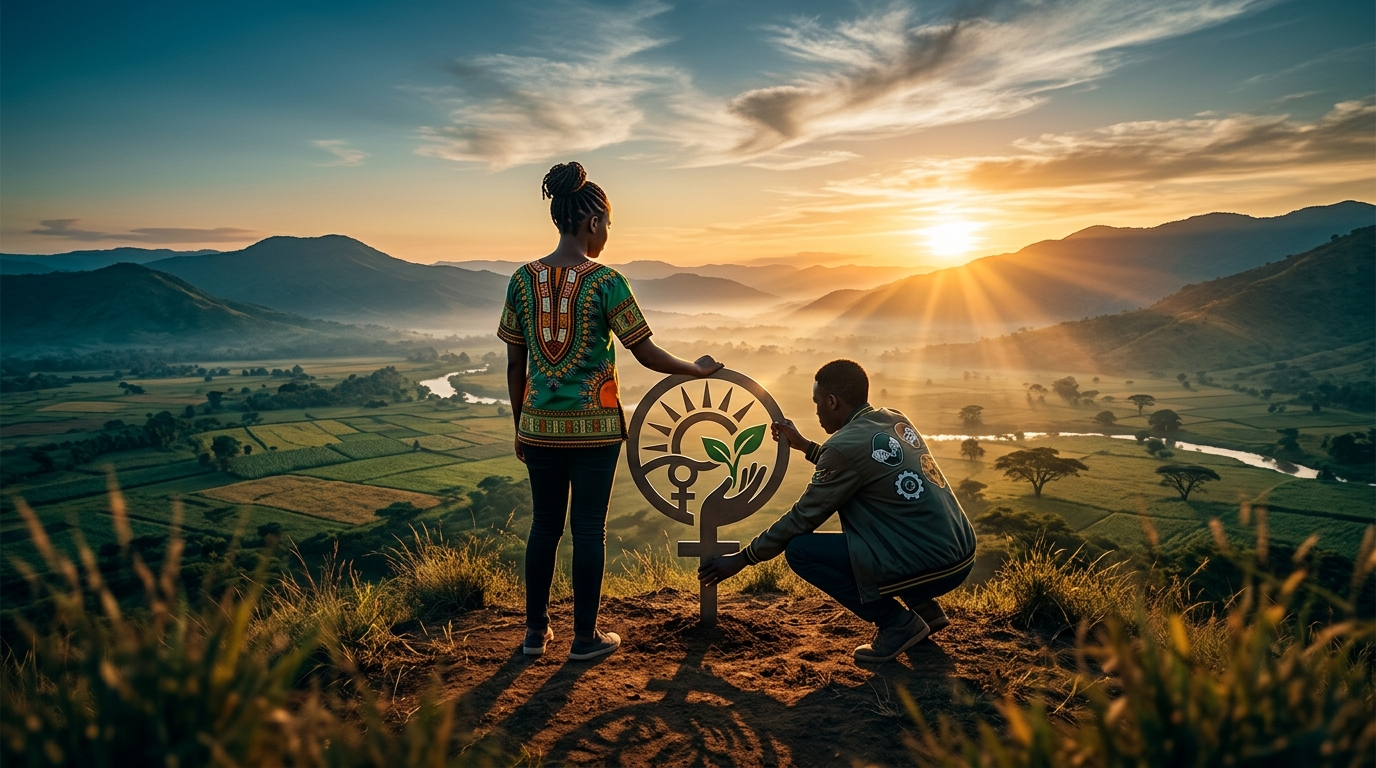
In the administrative heart of Dodoma, a fundamental shift in climate policy is taking root, moving beyond the abstract commitments often found in international agreements to prioritize the specific demographic groups most vulnerable to ecological crises: women and youth. Tanzania is not merely adapting to climate change; it is orchestrating a profound revolution in its approach, aiming to embed gender and youth priorities directly into the fabric of its new climate policies and positioning itself as a beacon for Africa’s youth-led climate leadership.
This bold initiative recognizes a critical truth: climate change is not a neutral phenomenon. Its impacts are felt most acutely by those with the least power and resources, often women and young people, particularly in agrarian societies like Tanzania. By placing these groups at the center of its strategy, the nation seeks to transform vulnerability into agency, ensuring that those most affected are also those driving the solutions.
The Urgency of Inclusive Climate Action
Tanzania, like many developing nations, is on the front lines of the climate crisis. Rising temperatures, erratic rainfall patterns, prolonged droughts, and devastating floods are already disrupting agricultural cycles, threatening food security, and displacing communities. According to the World Bank, over 70% of Tanzania's population relies on agriculture, a sector highly susceptible to climate variability. Women, who constitute a significant portion of the agricultural workforce and are often responsible for household food provision and water collection, bear a disproportionate burden. Similarly, youth, representing over 60% of the population, face an uncertain future marked by dwindling natural resources and limited economic opportunities exacerbated by climate change.
The traditional top-down approach to climate policy has often overlooked these intricate social dynamics. International accords, while crucial, rarely translate seamlessly into local action without robust, inclusive frameworks. Tanzania's new strategy, however, is designed to bridge this gap. It acknowledges that effective climate resilience cannot be achieved without the active participation and leadership of women and youth, whose unique perspectives, traditional knowledge, and innovative spirit are indispensable.
Dodoma's Declaration: A Policy Paradigm Shift
The genesis of this new direction can be traced to recent high-level dialogues and policy reviews conducted within Dodoma's governmental circles. These discussions culminated in a strategic decision to integrate gender and youth considerations across all climate-related sectors, from agriculture and water management to renewable energy and disaster preparedness. This isn't just about token representation; it's about systemic integration.
Key pillars of this paradigm shift include: * Mainstreaming Gender and Youth in National Adaptation Plans (NAPs): Ensuring that climate adaptation strategies explicitly address the differentiated needs and capacities of women and young people. * Empowering Women in Decision-Making: Promoting women's leadership in local and national climate governance bodies, recognizing their vital role as environmental stewards and community organizers. * Investing in Youth-Led Innovation: Creating platforms and providing resources for young entrepreneurs and innovators to develop sustainable solutions, particularly in green technologies and climate-smart agriculture. * Gender-Responsive Budgeting: Allocating financial resources in a way that directly benefits women and youth in climate resilience projects. * Capacity Building and Education: Developing targeted training programs to equip women and youth with the knowledge and skills needed to adapt to and mitigate climate change.
This comprehensive approach is expected to yield multi-faceted benefits, not only enhancing climate resilience but also fostering greater social equity and economic development. As one senior policy advisor in Dodoma articulated, "We cannot afford to leave half of our population, or indeed our future generation, on the sidelines of this existential battle. Their active engagement is our greatest asset."
Youth as Catalysts for Change: The African Context
Tanzania's focus on youth leadership resonates deeply with the broader African narrative. Africa is the youngest continent, with a median age of just 19.7 years. This demographic dividend, if harnessed effectively, represents an unparalleled opportunity for sustainable development. Across the continent, young activists and entrepreneurs are already leading grassroots movements, advocating for policy changes, and implementing innovative solutions to environmental challenges.
By actively cultivating a generation of youth climate leaders, Tanzania aims to inspire similar initiatives across the region. This involves fostering mentorship programs, facilitating access to climate finance for youth-led projects, and ensuring their voices are heard in national and international forums. The vision is to transform Tanzania into a regional hub for climate innovation and advocacy driven by its vibrant youth population. This includes initiatives like dedicated youth climate summits and incubators for green startups, providing tangible pathways for young people to contribute meaningfully.
Moreover, the emphasis on youth-led climate leadership is a strategic move to ensure the long-term sustainability of climate initiatives. Young people have a vested interest in the future and are often more receptive to new technologies and sustainable practices. Their energy and idealism can be powerful forces for driving systemic change and challenging established norms that contribute to environmental degradation.
The Intersectional Imperative: Gender, Climate, and Development
Recognizing the intersectionality of gender, climate change, and development is paramount. Women's empowerment, for instance, has a direct correlation with climate resilience. Studies have shown that communities where women have greater access to education, resources, and decision-making power are often more effective in adapting to environmental shocks. By empowering women, Tanzania is not just addressing gender inequality; it is strengthening its entire societal fabric against climate threats.
This intersectional approach extends to economic opportunities. Investing in green jobs and sustainable livelihoods for women and youth can create a virtuous cycle, reducing poverty while simultaneously fostering environmental stewardship. For example, training women in sustainable agriculture techniques or empowering youth to develop solar energy solutions not only provides income but also builds community resilience and reduces reliance on carbon-intensive practices.
The policy framework also acknowledges the critical role of traditional and indigenous knowledge, often held by women and elders, in understanding and adapting to local ecological changes. Integrating this wisdom with modern scientific approaches can lead to more holistic and effective climate solutions that are culturally appropriate and locally relevant.
Looking Ahead: A Model for Africa and Beyond
Tanzania's proactive stance is more than just a national strategy; it is a potential blueprint for other nations grappling with similar challenges. By demonstrating how to effectively integrate gender and youth into climate policy, Tanzania offers a compelling model for inclusive and equitable climate action. The success of this initiative will hinge on sustained political will, adequate financial resources, and robust monitoring and evaluation mechanisms to ensure accountability and adapt strategies as needed.
As the world grapples with the accelerating pace of climate change, the need for innovative and people-centered solutions has never been more urgent. Tanzania's commitment to empowering its women and youth represents a powerful testament to the belief that the most vulnerable can also be the most vital agents of change. Their journey towards a climate-resilient future is not just a national endeavor but a significant contribution to the global fight against climate change, offering hope and practical lessons for a sustainable planet. The international community watches with keen interest, as Dodoma's declaration could very well mark the beginning of a new era of climate leadership on the African continent.
Stay Informed
Get the world's most important stories delivered to your inbox.
No spam, unsubscribe anytime.
Comments
No comments yet. Be the first to share your thoughts!