The Dollar Shield: UAE's Bid for a Fed Swap Line Amidst Gulf Tensions and Global Economic Shifts
As geopolitical tensions escalate in the Strait of Hormuz, the United Arab Emirates is reportedly seeking a currency swap line with the U.S. Federal Reserve. This move aims to fortify the dirham's peg to the dollar, safeguard liquidity, and protect its economy from regional instability. The potential agreement underscores the growing importance of dollar liquidity and financial stability in an increasingly volatile global landscape, with implications for international trade and emerging markets.
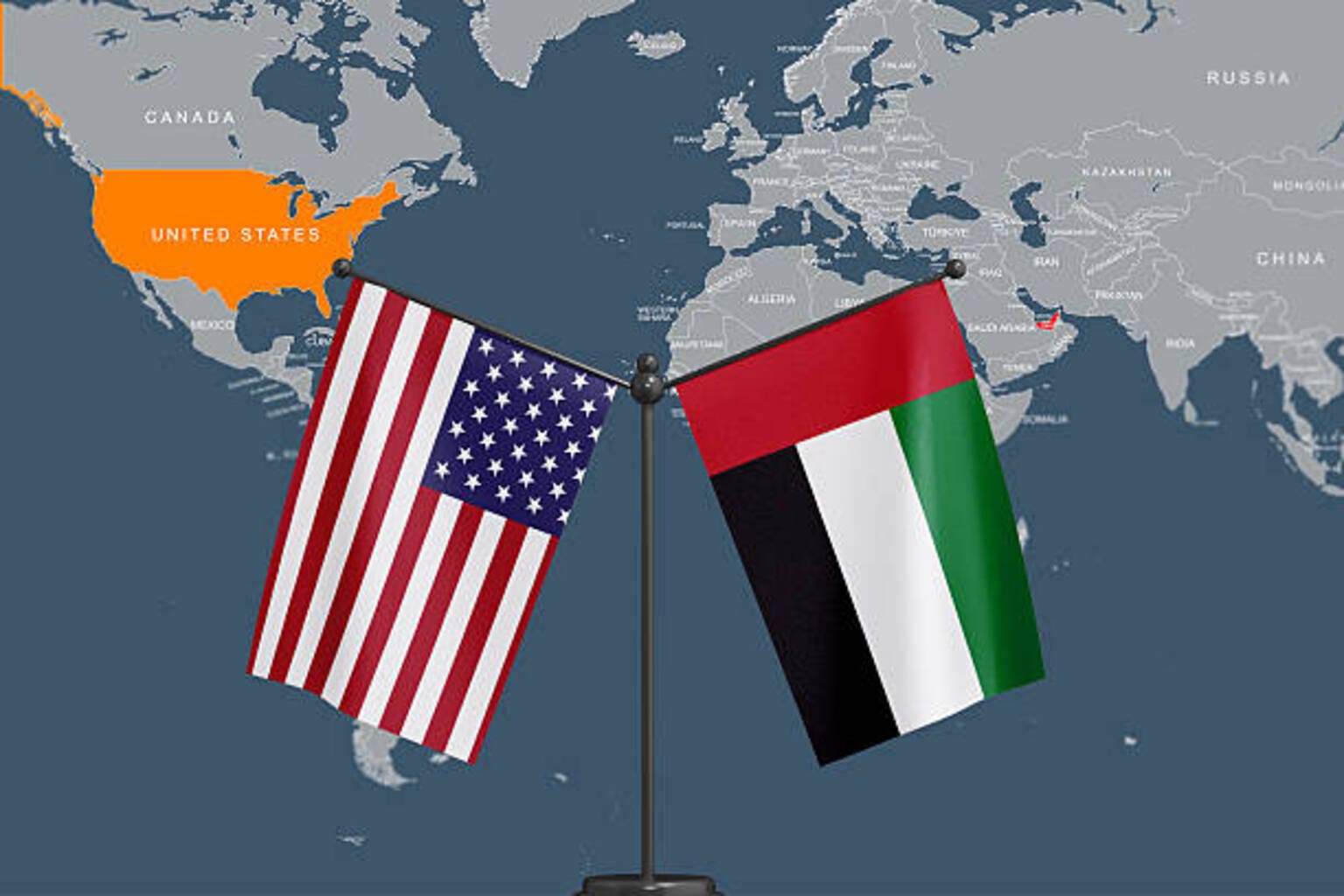
In the volatile theater of global finance and geopolitics, a quiet yet profoundly significant drama is unfolding in the Persian Gulf. As tensions simmer in the Strait of Hormuz, a critical choke point for global oil supplies, the United Arab Emirates (UAE) is reportedly pursuing a currency swap line with the U.S. Federal Reserve. This strategic maneuver is far more than a technical financial arrangement; it represents a proactive defense mechanism for the UAE's economy, a dollar shield against potential regional instability, and a testament to the enduring power of the U.S. dollar in an era of shifting global alliances.
The UAE's dirham has been pegged to the U.S. dollar since 1997, a policy that has provided remarkable economic stability and predictability for the oil-rich nation. This peg is a cornerstone of its financial system, facilitating international trade, attracting foreign investment, and anchoring its monetary policy. However, geopolitical tremors, particularly those impacting the vital shipping lanes of the Gulf, pose a direct threat to this stability. A swap line, in essence, would allow the UAE Central Bank to exchange dirhams for dollars with the Fed, providing an immediate and substantial source of dollar liquidity should its financial system face stress or its peg come under speculative attack. This financial lifeline is not just about economics; it's about national security and maintaining confidence in one of the world's most dynamic economies.
The Anatomy of a Swap Line: A Global Financial Safety Net
Currency swap lines are bilateral agreements between central banks designed to provide short-term liquidity in a foreign currency. For the U.S. Federal Reserve, these lines primarily involve providing U.S. dollars to foreign central banks. The mechanism is straightforward: the foreign central bank temporarily sells its local currency to the Fed in exchange for dollars, with an agreement to reverse the transaction at a future date and at a pre-agreed exchange rate. This effectively allows foreign central banks to access dollars without having to deplete their own foreign exchange reserves or resort to potentially destabilizing market interventions.
The Fed's swap line network gained prominence during the 2008 global financial crisis, when a severe dollar shortage threatened to cripple international financial markets. The Fed swiftly established and expanded swap lines with key central banks, acting as the global lender of last resort for dollars. This action was crucial in preventing a deeper crisis, demonstrating the U.S. dollar's unparalleled role as the world's primary reserve currency and the backbone of international trade and finance. Since then, the network has been reactivated during periods of stress, such as the COVID-19 pandemic, highlighting its importance as a critical tool for global financial stability.
For countries like the UAE, which peg their currencies to the dollar, access to a swap line is particularly vital. It acts as an insurance policy, assuring markets that the central bank has the means to defend its peg, even in extreme circumstances. This assurance helps deter speculative attacks and maintains investor confidence, which is paramount for a country heavily reliant on international trade and capital flows. The UAE's pursuit of such a line signals a prudent and forward-thinking approach to risk management in an increasingly interconnected and unpredictable world.
Geopolitical Crossroads: Hormuz, Oil, and Regional Stability
The timing of the UAE's reported request is no coincidence. The Strait of Hormuz, a narrow waterway between the Persian Gulf and the Gulf of Oman, is a flashpoint for geopolitical tensions. Approximately one-fifth of the world's total oil consumption and a significant portion of its liquefied natural gas (LNG) pass through this strait daily. Any disruption, whether from military confrontations, piracy, or political brinkmanship, sends shockwaves through global energy markets and impacts shipping insurance premiums, trade routes, and investor sentiment.
Recent incidents, including attacks on tankers and seizures of vessels, have underscored the fragility of security in the region. For the UAE, a major oil producer and a global logistics hub, stability in Hormuz is non-negotiable. A disruption could not only impact its oil exports but also its broader economy, which has diversified significantly into tourism, finance, and technology. The potential for capital flight or a loss of confidence in the dirham's peg during a crisis is a significant concern. A Fed swap line would provide a powerful countermeasure, signaling to markets that the UAE has robust backing from the world's most influential central bank.
This situation also highlights the interplay between geopolitics and financial stability. In an era where economic warfare and financial sanctions are increasingly common tools of statecraft, maintaining strong financial linkages with key global players becomes a strategic imperative. The UAE's move can be seen as part of a broader trend among nations to shore up their financial defenses in a multipolar world, where traditional alliances are being re-evaluated and economic vulnerabilities can be exploited.
Implications for the Global Financial System and Emerging Markets
The potential establishment of a Fed swap line with the UAE would have far-reaching implications, extending beyond the Gulf region. Firstly, it would reaffirm the U.S. dollar's centrality in the global financial architecture, even as discussions about de-dollarization gain traction in some quarters. The demand for dollar liquidity remains robust, particularly during times of stress, demonstrating its enduring role as the ultimate safe-haven asset.
Secondly, it could set a precedent or encourage other emerging markets (EMs) to seek similar arrangements, especially those with dollar pegs or significant dollar-denominated liabilities. While the Fed typically reserves swap lines for systemically important economies, the UAE's strategic importance and its role in global energy markets might qualify it. This could lead to a tiered system of dollar access, where some EMs have a direct lifeline to the Fed, while others remain more exposed to market volatility.
Thirdly, for investors, a swap line would reduce the perceived risk of investing in the UAE, potentially lowering borrowing costs for its government and corporations. It would enhance the attractiveness of the UAE as a financial hub and a destination for foreign direct investment, reinforcing its position as a stable and reliable economy in a turbulent region. This stability is particularly important for crypto markets, which, despite their decentralized nature, are often indirectly influenced by broader macroeconomic stability and dollar liquidity. While the source mentions crypto in the category, the direct link here is the overarching financial stability that a swap line provides, which can prevent broader market contagion that might indirectly affect crypto assets.
Finally, this development underscores the evolving nature of international economic diplomacy. Central bank cooperation, once primarily a technical matter, is increasingly becoming a tool of foreign policy and strategic influence. The Fed's decision to grant or deny a swap line carries significant geopolitical weight, shaping alliances and influencing regional power dynamics. It's a reminder that in the 21st century, financial power is as potent as military might.
Conclusion: A Proactive Stance in a Turbulent World
The UAE's pursuit of a currency swap line with the U.S. Federal Reserve is a masterclass in proactive economic statecraft. It reflects a deep understanding of the vulnerabilities inherent in a dollar-pegged economy situated in a geopolitically sensitive region. By seeking this dollar shield, the UAE aims to insulate its financial system from the vagaries of regional tensions, maintain the stability of its currency, and preserve investor confidence.
This move is not just about the UAE; it's a microcosm of broader global trends: the enduring power of the dollar, the increasing weaponization of finance, and the critical importance of central bank cooperation in maintaining global financial stability. As the world navigates a complex tapestry of economic uncertainty and geopolitical friction, such financial lifelines will likely become even more sought after, shaping the contours of international relations and the future of the global financial order. The resilience of national economies will increasingly depend not just on their internal strengths, but on their ability to forge and maintain these crucial international financial safety nets. The UAE's initiative serves as a powerful reminder that in the modern world, financial stability is a strategic asset, fiercely defended and meticulously planned for.
Stay Informed
Get the world's most important stories delivered to your inbox.
No spam, unsubscribe anytime.
Comments
No comments yet. Be the first to share your thoughts!