The End of an Era: Claire's Closes All UK & Ireland Stores, 1,300 Jobs Lost Amid Retail Crisis
The iconic accessories retailer Claire's has ceased trading in all 154 standalone stores across the UK and Ireland, resulting in the loss of over 1,300 jobs. This dramatic closure, following two administrations within a year, signals a profound shift in the retail landscape and raises questions about the future of high street brands. The move underscores the relentless pressures facing traditional brick-and-mortar businesses in an increasingly digital and economically challenging environment.
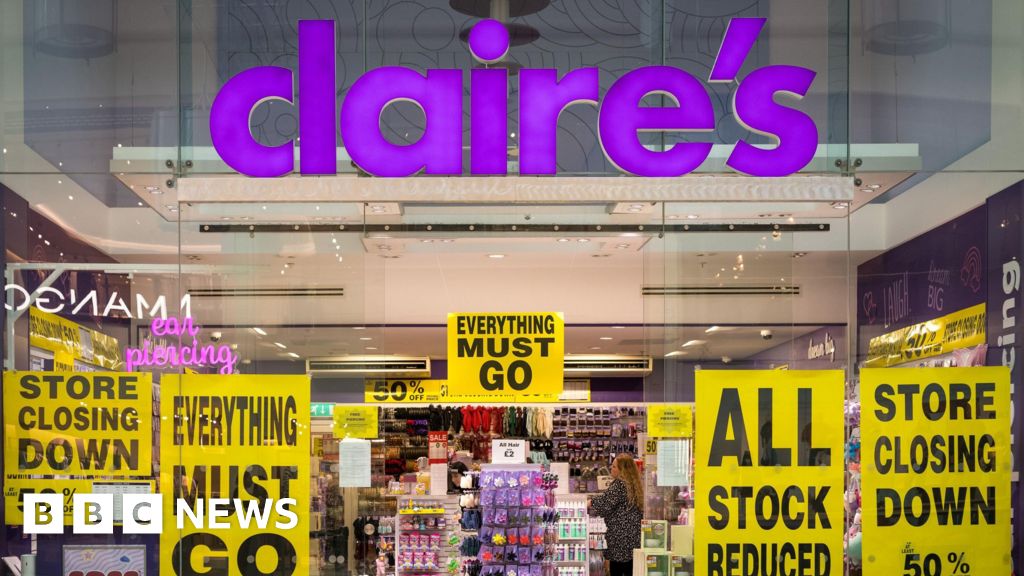
The glittery, vibrant world of Claire's, a staple for generations of teenagers and pre-teens seeking affordable fashion accessories and ear piercings, has dimmed significantly in the UK and Ireland. All 154 standalone stores operated by the brand in these regions have officially ceased trading, a stark consequence of persistent financial woes that saw the company enter administration twice in just one year. This dramatic collapse has led to the devastating loss of over 1,300 jobs, leaving a void on high streets and a poignant reminder of the relentless pressures facing traditional retail.
For decades, Claire's was more than just a shop; it was a rite of passage. Its brightly lit aisles, overflowing with everything from novelty earrings to hair scrunchies, served as a treasure trove for young girls exploring their personal style. The closure marks the end of an era for many, symbolizing a broader, more profound crisis gripping the retail sector, particularly in the UK, where economic headwinds and changing consumer habits have created a perfect storm.
The Unraveling: A Timeline of Financial Distress
Claire's financial troubles have been a long-standing concern. Globally, the company, headquartered in the US, has grappled with significant debt for years. In 2018, its US parent company filed for Chapter 11 bankruptcy protection, emerging later that year with a restructured balance sheet. However, this global restructuring did not fully insulate its European operations from distress. The UK and Ireland entities, operating under a separate structure, continued to face severe challenges.
Administrators Kroll confirmed the closures, noting that the decision was a direct result of the company's inability to sustain its physical store presence amidst declining footfall and increased operational costs. The first administration in the UK and Ireland occurred relatively recently, a clear indicator of acute financial stress. The second, and ultimately final, administration underscores the depth of the problems, suggesting that initial restructuring efforts were insufficient to counter the powerful market forces at play.
This rapid succession of administrations highlights a critical vulnerability for many legacy retailers: a business model heavily reliant on physical locations struggling to adapt to the digital age. While Claire's did have an online presence, it was arguably not robust enough to offset the decline in brick-and-mortar sales, especially for a brand whose appeal often lay in the tactile experience of browsing and impulse buying.
The Broader Retail Apocalypse: Economic Headwinds and Digital Shifts
Claire's demise in the UK and Ireland is not an isolated incident but rather a prominent casualty in a wider retail crisis often dubbed the 'retail apocalypse.' The UK high street, once a bustling hub of commerce and community, has been particularly hard hit. Several factors contribute to this challenging environment:
* E-commerce Dominance: The inexorable rise of online shopping, accelerated by the COVID-19 pandemic, has fundamentally altered consumer behavior. Shoppers increasingly prefer the convenience, wider selection, and often lower prices offered by online retailers. * Cost of Living Crisis: Persistent inflation and stagnant wages have squeezed household budgets, leading consumers to cut back on discretionary spending, particularly on non-essential items like fashion accessories. * High Operational Costs: Physical stores face escalating rents, business rates, energy costs, and staffing expenses, making profitability increasingly difficult, especially for brands with thinner margins. * Changing Demographics and Preferences: Younger generations, Claire's core demographic, are often more digitally native and less inclined to spend time browsing physical stores. Their brand loyalties and purchasing habits are also influenced by social media trends and direct-to-consumer brands. * Competition from Fast Fashion and Discounters: The market for affordable accessories is highly competitive, with fast fashion giants and discount retailers offering similar products at aggressive price points.
Data from the British Retail Consortium (BRC) consistently shows declining footfall in town centers and shopping malls, painting a bleak picture for businesses reliant on physical presence. The BRC has repeatedly called on the government for reforms, particularly concerning business rates, which many retailers view as an outdated and unfair tax burden.
The Human Cost: Over 1,300 Lives Affected
Beyond the corporate statistics and economic analyses, the closure of Claire's stores represents a profound human tragedy for the 1,300 employees who have lost their jobs. These individuals, many of whom may have dedicated years to the company, now face the daunting prospect of unemployment in an already tight job market. The impact extends beyond financial hardship, affecting morale, mental well-being, and community stability.
For many, working at Claire's was their first job, a stepping stone into the world of work, offering valuable retail experience and a sense of belonging. The suddenness of the closures, often with little notice, adds to the distress, leaving employees scrambling to find new opportunities. Support services for affected staff, typically provided by administrators, will be crucial in helping them navigate this difficult transition.
What Does This Mean for the High Street and Beyond?
Claire's departure leaves yet another significant gap on high streets already struggling with vacancies. While some units may be reoccupied by other retailers, the trend of closures contributes to a sense of decline, impacting local economies and the overall vibrancy of urban centers. It also raises questions about the future of specialized retail and whether brands can survive without a compelling experiential offering or a robust omnichannel strategy.
For consumers, particularly the younger demographic, the closure means fewer options for accessible, trend-driven accessories. While online alternatives abound, the unique experience of browsing a Claire's store and getting an ear piercing on a whim will be missed. This shift forces consumers to adapt, further cementing the dominance of online platforms and larger, more diversified retail chains.
Looking ahead, the retail sector is likely to continue its transformation. Survival will depend on agility, innovation, and a deep understanding of evolving consumer needs. Retailers must invest in seamless omnichannel experiences, leveraging technology to integrate online and offline channels. Physical stores that thrive will likely be those that offer unique experiences, personalized services, or serve as showrooms rather than just transaction points. The story of Claire's in the UK and Ireland serves as a stark warning and a powerful lesson for the entire industry: adapt or risk becoming another casualty of the changing retail landscape.
Stay Informed
Get the world's most important stories delivered to your inbox.
No spam, unsubscribe anytime.
Comments
No comments yet. Be the first to share your thoughts!