The Remake Renaissance: Are Xbox Players Still Excited by Reimagined Classics in 2026?
The announcement of 'Black Flag Resynced' has reignited the perennial debate among Xbox gamers: do remakes still hold their allure in 2026? With a deluge of new titles each year, the industry's reliance on reimagined classics prompts a closer look at player fatigue versus nostalgic appeal. This article explores the evolving landscape of remakes, their economic drivers, and what truly excites a modern gaming audience.
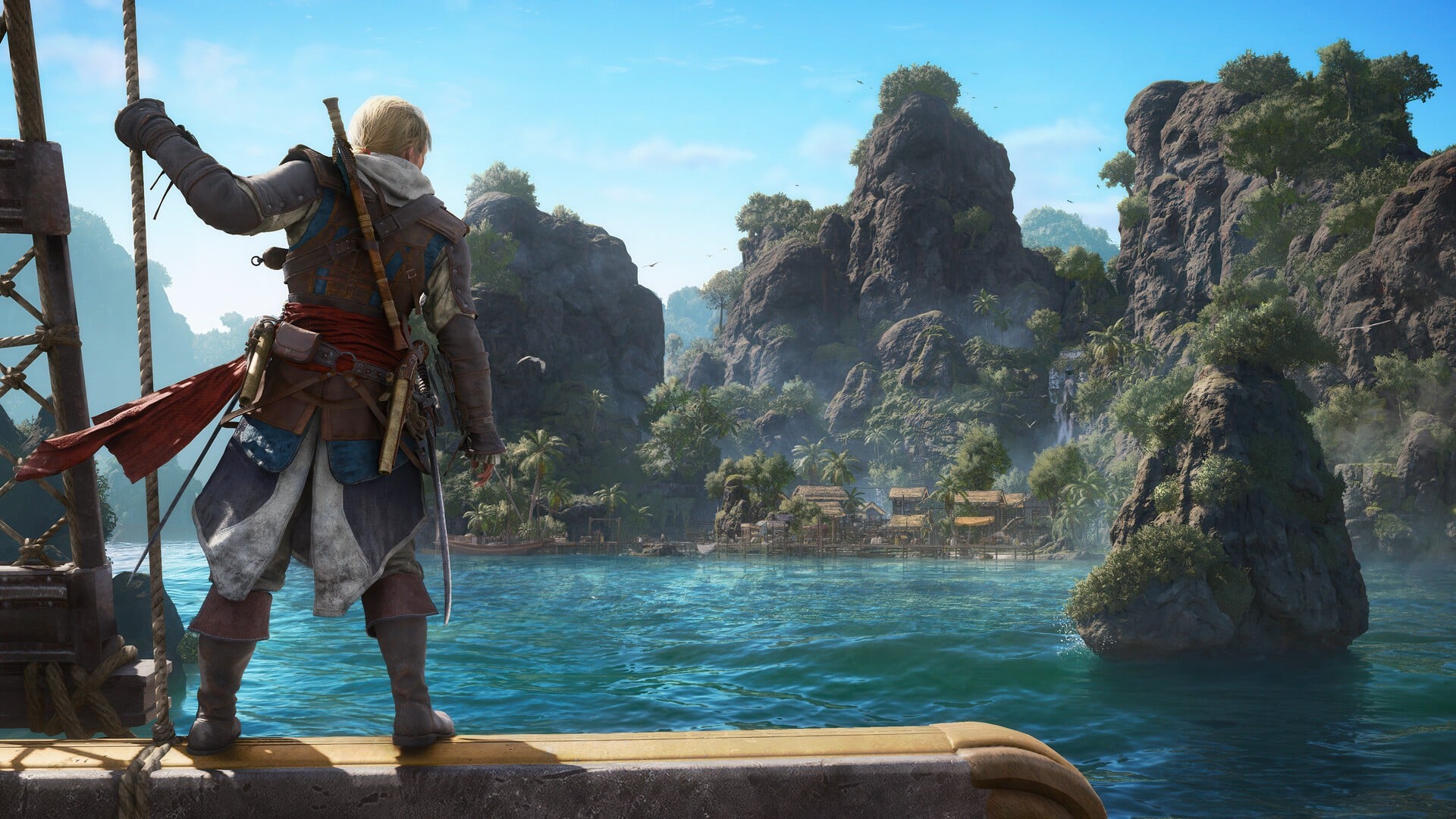
In the ever-accelerating universe of video games, where hundreds of new titles vie for attention annually, the concept of a ‘remake’ has become a constant, sometimes contentious, presence. The recent buzz surrounding ‘Black Flag Resynced,’ a rumored reimagining of a beloved classic, has once again brought this discussion to the forefront for Xbox players. Are we, in 2026, still genuinely excited by these meticulously crafted re-dos, or has the well of nostalgia begun to run dry?
The Allure of the Familiar: A Deep Dive into Remake Mania
The phenomenon of video game remakes is far from new. From the early days of enhanced ports on new consoles to the complete ground-up overhauls we see today, developers have consistently revisited past successes. What drives this trend? Primarily, it's a potent mix of nostalgia, commercial viability, and technological advancement. For many gamers, a remake offers a chance to relive cherished memories with modern graphics and gameplay mechanics, bridging the gap between their past and present gaming experiences. For publishers, it's a relatively safer bet than an entirely new IP, leveraging established brand recognition and a pre-existing fanbase. The success of titles like ‘Final Fantasy VII Remake,’ ‘Resident Evil 2,’ and ‘Demon’s Souls’ on PlayStation, or ‘Halo: Combat Evolved Anniversary’ on Xbox, unequivocally demonstrates the immense market potential when done right.
However, the sheer volume of remakes and remasters has led to a growing sentiment of remake fatigue among certain segments of the gaming community. With so many original, innovative titles released each year, some players question whether resources could be better allocated to new experiences rather than revisiting old ones. The debate often centers on the balance between honoring the original and introducing meaningful improvements. A faithful, yet innovative, remake can be a triumph, but a lazy port or a remake that misses the essence of its predecessor can feel like a cash grab.
Black Flag Resynced: A Case Study in Anticipation
The rumored ‘Black Flag Resynced’ project serves as an excellent contemporary example of this dynamic. Assassin's Creed IV: Black Flag, originally released in 2013, is widely regarded as one of the franchise's most beloved entries, celebrated for its expansive open world, engaging naval combat, and charismatic protagonist, Edward Kenway. The idea of revisiting this swashbuckling adventure with 2026-level graphics, refined controls, and potentially new content is undeniably tantalizing for many.
Yet, even with such a highly anticipated title, questions arise. Will it retain the charm and spirit of the original? Will it simply be a graphical facelift, or will it integrate modern design philosophies that genuinely enhance the experience without alienating long-time fans? The success of ‘Black Flag Resynced’ will likely hinge on its ability to strike this delicate balance. If it delivers a truly transformative experience, it could set a new benchmark for how open-world classics are re-envisioned. If it falls short, it might contribute further to the aforementioned remake fatigue, especially on a platform like Xbox, which has seen its fair share of both stellar and mediocre re-releases.
The Economics and Ethics of Re-Releasing: A Publisher's Perspective
From a publisher's standpoint, remakes are often a sound business decision. They offer several advantages:
* Reduced Development Risk: The core gameplay loop, story, and world design are already proven. This significantly lowers the risk associated with new IP development. * Guaranteed Audience: A built-in fanbase ensures a certain level of sales, especially for critically acclaimed titles. * Technological Showcases: Remakes can be excellent vehicles to demonstrate the power of new console generations or engine capabilities. * Onboarding New Players: They allow new generations of gamers to experience classics that might otherwise be inaccessible or visually outdated.
However, there's an ethical dimension to consider. When does a remake become a barrier to preserving gaming history? If older versions are delisted or become unplayable on modern hardware, and the remake fundamentally alters the original experience, are we losing a piece of gaming's past? This concern is particularly relevant for games that push artistic boundaries or represent significant milestones in game design. Publishers must navigate this carefully, ensuring that remakes complement, rather than replace, the legacy of the originals.
The Evolving Expectations of the Modern Gamer
Today's Xbox gamer is more discerning than ever. They expect more than just a fresh coat of paint. A successful remake in 2026 needs to offer:
* Meaningful Enhancements: Beyond graphics, this includes improved UI/UX, quality-of-life features, accessibility options, and potentially expanded lore or side content. * Respect for the Original: While improvements are welcome, the core identity and spirit of the original game must remain intact. * Value Proposition: Given the premium price point of many new releases, a remake must justify its cost with substantial improvements and content. * Community Engagement: Developers who involve the community in the remake process, gathering feedback and addressing concerns, often build stronger anticipation and loyalty.
The industry is also seeing a rise in “demakes” and “spiritual successors,” which, while not direct remakes, speak to a similar desire for nostalgic experiences filtered through a modern lens. This further complicates the remake landscape, suggesting that players aren't just looking for better graphics, but for specific feelings and experiences that older games provided.
The Future of Remakes on Xbox and Beyond
Looking ahead, remakes are unlikely to disappear from the Xbox ecosystem or the broader gaming industry. They represent a powerful tool for preserving gaming history, introducing classics to new audiences, and generating revenue. However, the future will demand a more nuanced approach. We can expect to see:
* Targeted Remakes: Publishers will likely become more selective, focusing on titles with strong cultural impact and clear potential for significant enhancement. * Hybrid Approaches: A blend of remastering key elements while rebuilding others, offering a spectrum of re-releases from simple ports to full-scale reimaginations. * Community-Driven Development: Greater input from fans on what aspects of a classic they want preserved or improved. * Subscription Service Integration: Remakes could become key offerings for services like Xbox Game Pass, providing value and accessibility to a wider audience.
The excitement around ‘Black Flag Resynced’ is a testament to the enduring power of a well-loved game. But whether that excitement translates into universal acclaim will depend on its execution. In 2026, the question isn't if we'll get remakes, but how they're made, and whether they truly enrich the gaming landscape or merely recycle it. For Xbox players, the hope remains that each new remake will be a genuine celebration of gaming's past, thoughtfully re-engineered for its future.
Stay Informed
Get the world's most important stories delivered to your inbox.
No spam, unsubscribe anytime.
Comments
No comments yet. Be the first to share your thoughts!