The Unsettling Proximity: When a Would-Be Assassin is Your Neighbor
The quiet coastal community of Los Angeles is grappling with the shocking revelation that the man charged with attempting to assassinate a former President lived among them. Neighbors describe a bizarre sense of disbelief and fear as they reconcile the image of a seemingly ordinary resident with that of a dangerous extremist. This incident underscores the hidden complexities within communities and the unsettling reality that threats can emerge from the most unexpected places.
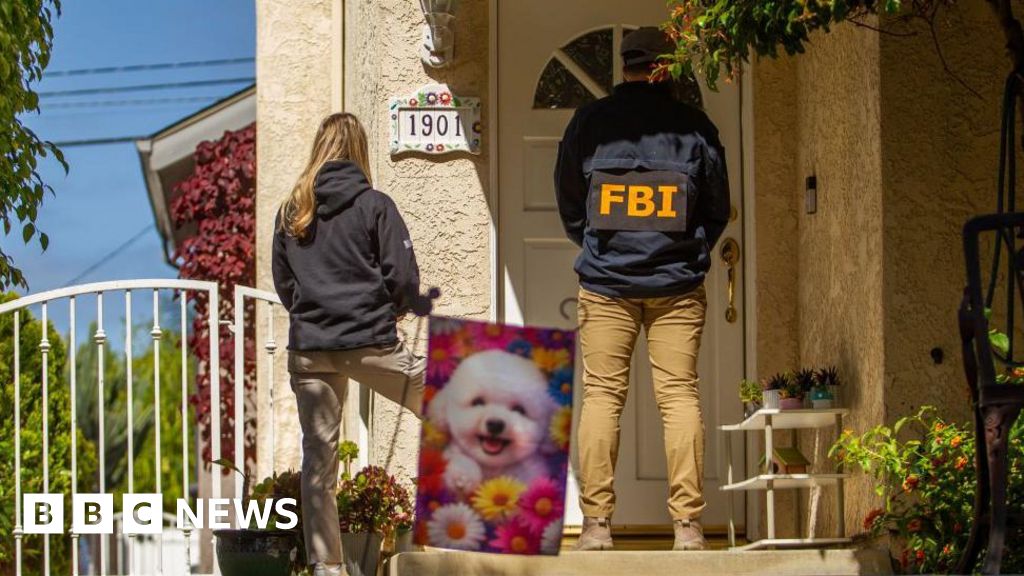
The tranquil, sun-drenched streets of a quiet coastal suburb near Los Angeles have been irrevocably altered by a chilling revelation. Residents, accustomed to the rhythmic ebb and flow of daily life, found their world upended when news broke that the man charged with the attempted assassination of former President Donald Trump at a high-profile Washington gala was, in fact, their neighbor. This sudden, jarring shift from mundane normalcy to the epicenter of a national security incident has left the community grappling with a profound sense of disbelief, fear, and introspection.
“It’s bizarre,” one resident reportedly uttered, a sentiment echoed by many who watched in horror as familiar faces flashed across their television screens, identifying a man they might have waved to, shared a fence with, or seen walking his dog. The suspect, identified as a resident who lived with his parents, has become the embodiment of the unsettling truth that extremism and violence can lurk beneath the veneer of ordinary life, shattering the illusion of safety in even the most idyllic settings.
The Shockwave Through Suburbia
The immediate aftermath of the revelation was a mixture of confusion and profound shock. For many, the concept of a political assassination attempt feels distant, a narrative confined to history books or international headlines, never something that could originate from their own cul-de-sac. The suspect’s alleged actions at the Washington dinner, targeting a former President, immediately catapulted the quiet community into the national spotlight, forcing residents to confront the uncomfortable reality that a potential assassin had been living in their midst. This proximity breeds a unique kind of dread – a feeling that the unseen dangers of the world are not so distant after all.
Neighbors interviewed by various media outlets consistently expressed astonishment. Descriptions ranged from “quiet” to “unassuming,” painting a picture of someone who did not outwardly fit the profile of a radicalized individual capable of such a heinous act. This disjunction between public perception and alleged reality is a common thread in cases involving domestic extremism, where perpetrators often blend seamlessly into their communities until their actions expose a hidden, darker ideology. The incident serves as a stark reminder that outward appearances can be deceiving, and the motivations that drive individuals to such extremes are often complex and deeply personal, developing in the shadows of seemingly normal lives.
The Anatomy of Radicalization: A Broader Context
While the specifics of this case are still unfolding, the incident invariably prompts a broader discussion about the pathways to radicalization in modern society. The digital age, with its echo chambers and rapid dissemination of information – and misinformation – has created fertile ground for extreme ideologies to take root. Individuals, sometimes isolated or disillusioned, can find communities online that validate their grievances and amplify their anger, pushing them towards increasingly radical viewpoints. This process is not always overt; it can be a gradual erosion of mainstream perspectives, replaced by narratives that demonize perceived enemies and justify violence.
Historically, political violence in the United States has manifested in various forms, from organized domestic terrorist groups to lone-wolf actors. The attempted assassination of a political figure, particularly a former President, carries significant historical weight, evoking memories of past tragedies and highlighting the fragility of democratic institutions when confronted by those willing to resort to violence. The current polarized political climate, exacerbated by social media and partisan news cycles, is often cited as a contributing factor to the rise in political animosity, creating an environment where individuals might feel justified in taking extreme measures to achieve their perceived objectives. This incident, regardless of the suspect's specific motivations, will undoubtedly be analyzed within this broader context of political division and the potential for violence.
Implications for Community and Security
The revelation of a would-be assassin living next door has profound implications, both for the immediate community and for national security. For the residents, it shatters a sense of security and trust. The once-familiar streets now carry an undercurrent of unease, forcing a re-evaluation of what constitutes a “safe” neighborhood. It also raises questions about how well communities truly know their members, and whether there are subtle signs of radicalization that are often missed or misinterpreted. This introspective period can lead to increased vigilance, but also to a potential erosion of community cohesion if suspicion replaces neighborly trust.
From a security perspective, the case underscores the immense challenge of identifying and neutralizing threats from within. Unlike foreign adversaries, domestic actors often operate under the radar, making their detection incredibly difficult until an incident occurs. Law enforcement agencies face the daunting task of monitoring a vast and diverse population for signs of extremism, balancing civil liberties with the imperative to prevent violence. The incident will likely prompt renewed discussions about intelligence gathering, community outreach programs aimed at de-radicalization, and the psychological profiles of individuals prone to such acts. It also highlights the need for a multi-faceted approach that involves not just law enforcement but also mental health professionals, community leaders, and educators in identifying and addressing the root causes of radicalization.
Moving Forward: Rebuilding Trust and Understanding
As the legal process unfolds and more details emerge about the suspect’s motives and background, the community will slowly begin the process of healing and understanding. The initial shock will eventually give way to a more nuanced grappling with the event’s implications. This incident serves as a poignant reminder that the fight against extremism is not confined to distant battlefields or abstract political debates; it is a challenge that can manifest in the most unexpected and intimate of places. It compels societies to look inward, to understand the forces that drive individuals to violence, and to reinforce the values of dialogue, tolerance, and peaceful resolution.
The path forward involves not just enhanced security measures, but also a renewed commitment to fostering resilient communities where individuals feel connected and supported, less susceptible to the allure of extremist narratives. It requires open conversations about mental health, political polarization, and the responsibility of individuals and institutions to counter hate and division. While the immediate shock of having a would-be assassin as a neighbor is profound, the long-term lesson lies in strengthening the social fabric that protects against such dark possibilities, ensuring that the bizarre becomes an anomaly, not a recurring nightmare.
Stay Informed
Get the world's most important stories delivered to your inbox.
No spam, unsubscribe anytime.
Comments
No comments yet. Be the first to share your thoughts!